


With 2026 well underway, businesses are navigating a complex mix of growth and constraint. In a macro-level overview first published in the print edition of Malta CEOs 2026, we brought together economists, analysts and business leaders to assess sector trends, labour availability, cost pressures, sustainability requirements and the broader economic political context shaping the year ahead.
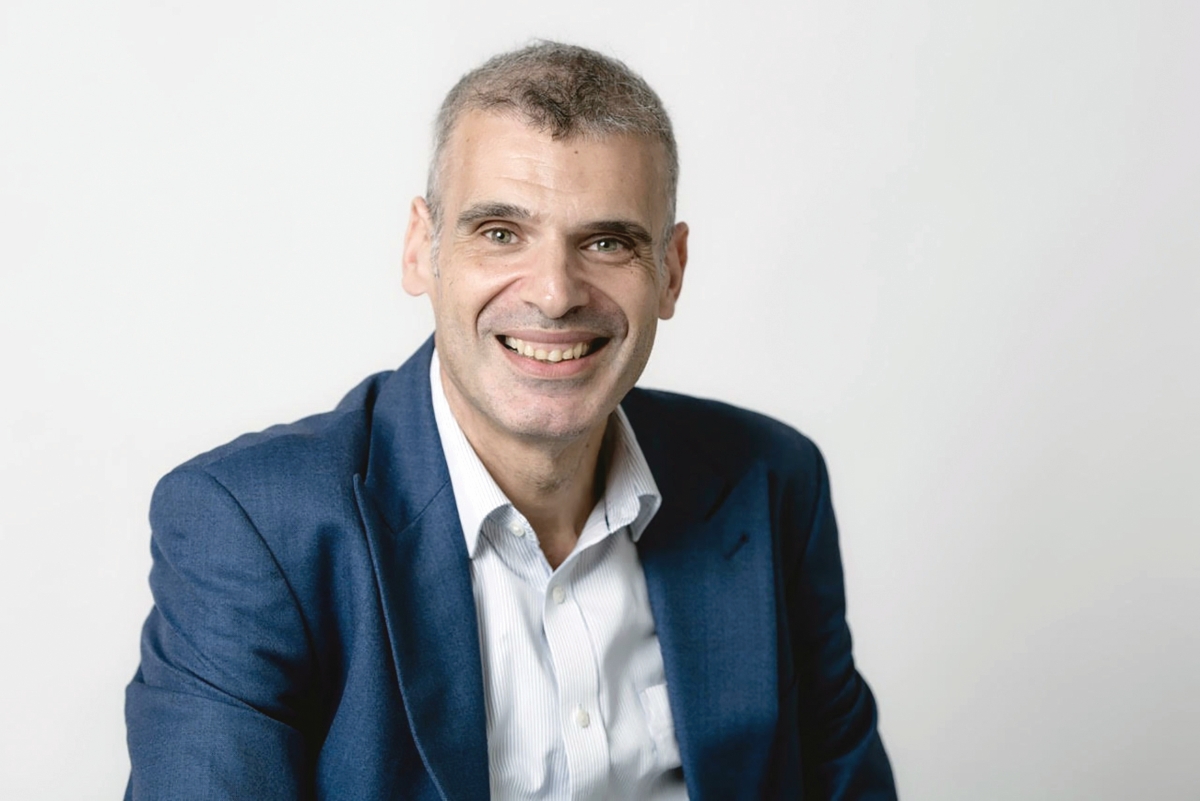
E-Cubed Consultants Executive Director Gordon Cordina is a leading voice on Malta’s macroeconomic performance and structural reform, advising institutions and businesses on policy and competitiveness. Here’s what he had to say:
I see Malta beginning the year with solid headline growth, low unemployment and resilient external demand, supported by tourism recovery and steady service-export performance. Yet beneath these aggregates lie structural tensions: productivity gains are lagging behind employment expansion, infrastructure and environmental pressures are mounting, and population growth continues to strain housing, transport and social services.
Fiscal buffers remain adequate but are narrowing, so recurrent commitments will need careful calibration. In my view, the economy is broadly healthy, but its medium-term trajectory hinges on shifting from labour-intensive expansion to efficiency-driven growth, backed by credible governance reforms and sustained investment in skills, digitalisation and environmental resilience.
I also see pockets of overheating. Construction and real estate continue to show price and cost dynamics increasingly disconnected from household incomes, sustained by external demand, investment inflows and demographic pressure.
Tourism-related activities face capacity strains in peak seasons, with labour shortages and congestion eroding service quality. Labour-intensive services reliant on imported workers risk productivity dilution and wage-cost misalignment. These pressures don’t yet constitute a systemic imbalance, but they signal an economy operating close to key physical and social constraints. That calls for targeted, credible regulation, better planning and productivity-enhancing investment.
Looking ahead, Malta must become more selective in the investment it attracts and the sectors it promotes, because scale-driven expansion is no longer sustainable. Resource-intensive construction, speculative real estate and low-value back-office operations strain labour supply, infrastructure and the environment, while offering limited productivity gains.
By contrast, targeted growth in digital services, fintech under robust regulation, life sciences, maritime technology, and ESG-aligned manufacturing can strengthen reputational capital and support compliance with tightening international standards on taxation, AML/CFT and sustainability reporting.
Prioritising investments that raise skills, deepen technological capabilities and reduce externalities will help Malta manage overheating risks and remain a high-quality, rules-compliant business jurisdiction.
This forms part of a feature first published on Malta CEOs 2026, the sister print brand to MaltaCEOs.mt, both owned by Content House.

Authenticity is Malta’s ‘finest asset’ – Claire Xuereb
As AX Group prepares for the next 50 years, the AX Group Director reflects on the successes that defined the ...

‘Smart choices decide everything’ – Prof. Stephanie Fabri
The Associate Professor and Economist warns: 'Old growth models won’t survive this new global order.'
‘We want to be the most trusted retail network in Malta’ – The Convenience Shop Group CEO
Growth 'goes beyond the number of doors opened,' says David Tabone.
M&Z plc CEO Greta Camilleri: ‘Leadership is about creating alignment’
‘Success takes patience,’ says the CEO. ‘You grow responsibly or not at all.’
