

With 2026 well underway, businesses are navigating a complex mix of growth and constraint. In a macro-level overview first published in the print edition of Malta CEOs 2026, we brought together economists, analysts and business leaders to assess sector trends, labour availability, cost pressures, sustainability requirements and the broader economic political context shaping the year ahead.
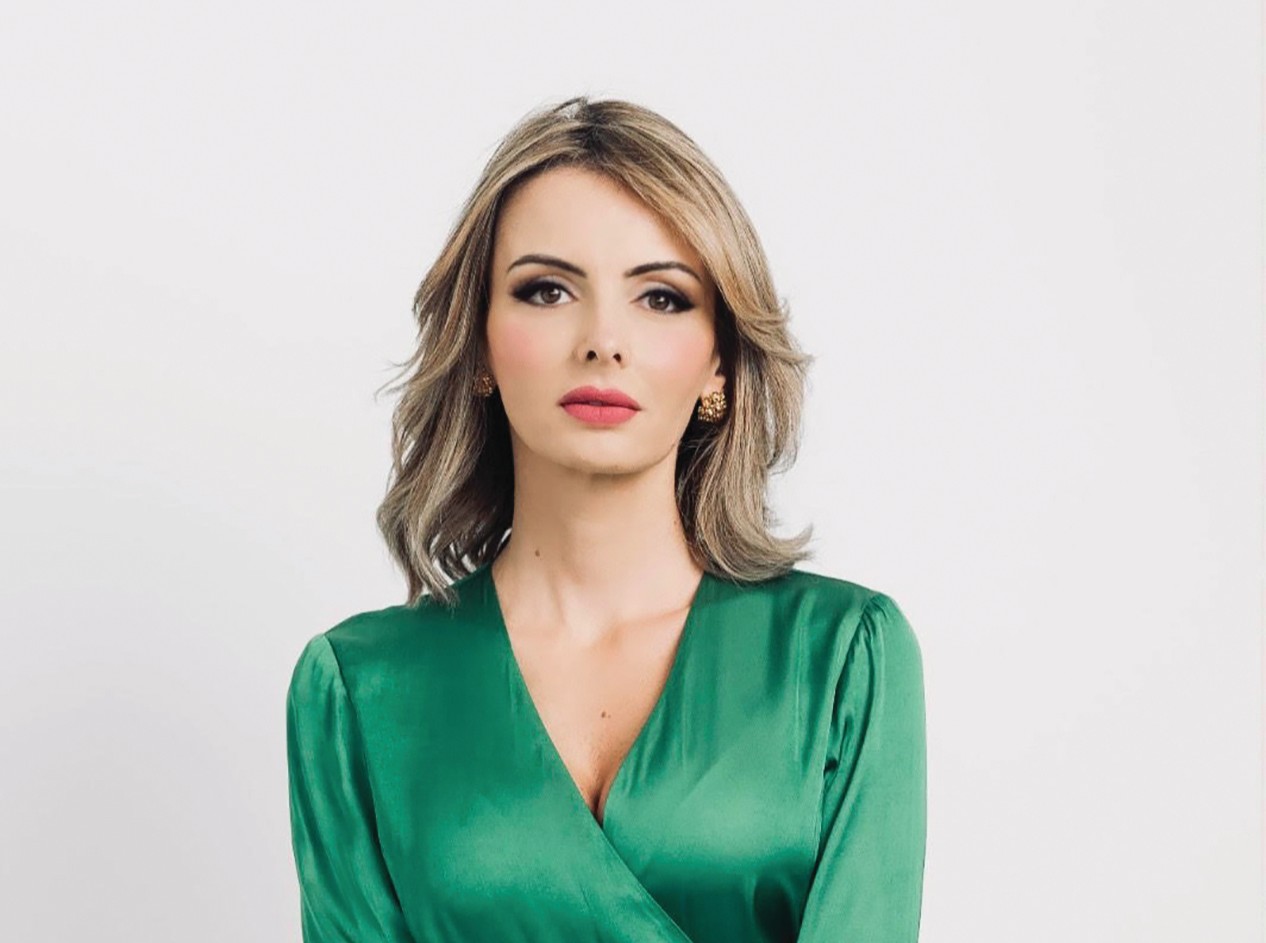
Stephanie Fabri is an Associate Professor in the Department of Business and Enterprise Management at the University of Malta, specialising in economic strategy and business development, and advising organisations on productivity, reform and sustainable growth. Here's what she had to say:
Malta starts 2026 strong but stretched – it will be a year where smart choices decide everything. Growth is resilient, unemployment is ultra-low and domestic demand remains firm, yet productivity is lagging, fiscal pressures for better-quality spending are rising and services inflation persists. The economy is healthy, but it is operating close to its limits.
The world in 2026 is more fragmented and transactional and less predictable. For small open economies, agility becomes strategy. Malta must strengthen energy security, accelerate digital capacity and move firmly into higher-value sectors. Old growth models won’t survive this new global order.
I expect inflation to decline, but slowly, while wage pressures and labour shortages will continue to impact service prices. We may see lower inflation, but little relief in operating costs.
Talent shortages will remain structural. Malta will continue to depend on foreign workers, with the challenge being quality and value, not quantity. The country needs targeted high-skill inflows, faster qualification recognition and a renewed productivity agenda. Without that shift, growth will hit a ceiling.
It also means investing in infrastructure and public services that lift productivity, including transport, planning, permitting, and digital Government that materially reduces friction for firms.
The environmental, social and governance (ESG) framework is no longer optional; it’s competitive armour. Companies that embed sustainability into operations, energy efficiency, supply chains, and product design will outperform. The biggest opportunities lie in green construction, circular business models, premium sustainable tourism, and the blue economy.
Property, hospitality and some services are at stretched capacity. Without supply-side reform, competitiveness will erode. The strongest growth potential sits in knowledge services, digital industries, green tech, and premium tourism.
On the optimism-to-caution spectrum, my outlook for 2026 is strategically optimistic. The economy could grow, but only if we move from volume to sophistication. If recent years were about speed, 2026 will be about precision – and Malta’s success depends on making every move count.
This forms part of a feature first published on Malta CEOs 2026, the sister print brand to MaltaCEOs.mt, both owned by Content House.
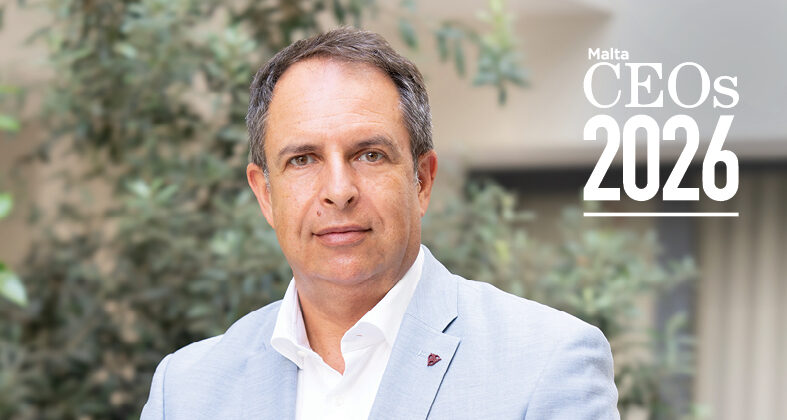
‘Greed harms businesses more than anything else’ – Wolfgang Tweraser
The TW Consulting & Trade Ltd CEO believes Malta has much more to offer: ‘It could be like a little ...
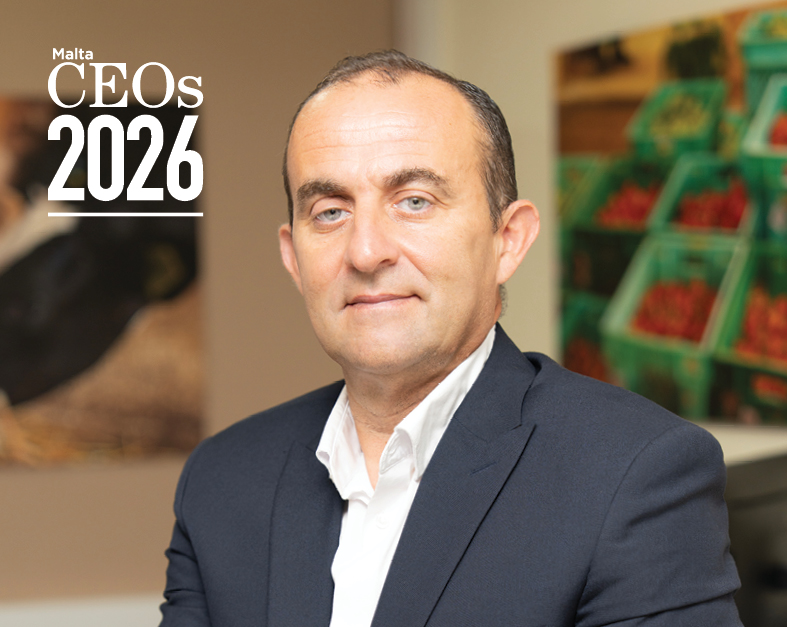
‘We can’t promote tourism without agriculture’ – Malta Food Agency CEO Brian Vella
‘I envision having fewer farmers, but more productive ones.’
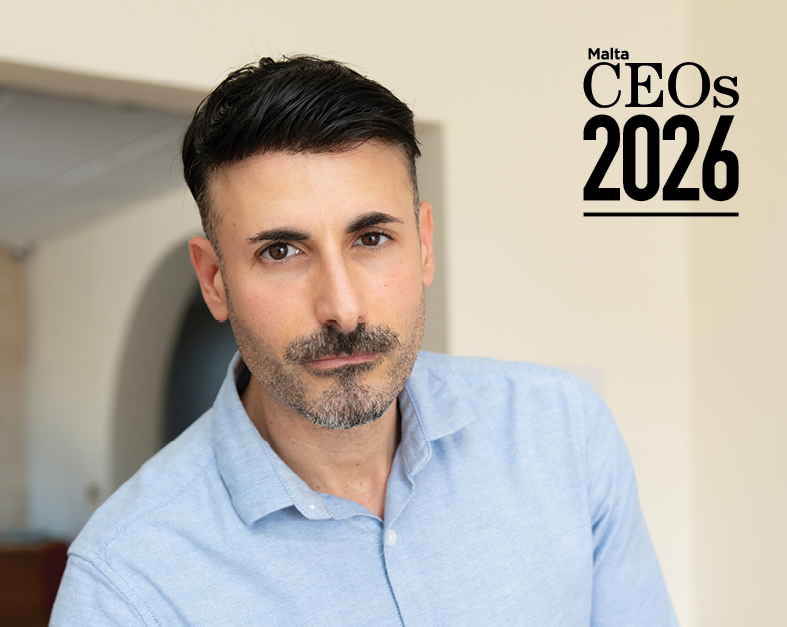
‘Not everything can be taught through textbooks’ – MUHC CEO Chris Schinas
‘I see my role as using the university’s name, its facilities and its resources to build a successful commercial arm.’
‘Retention is the new recruitment’ – HR Plus Managing Director Adrian Buttigieg
‘Starting from the ground up teaches you to value every team player.’
