


Most CEOs already track a number of indicators that tell them how the business is performing. Revenue, margin, cash flow and pipeline are obvious examples. People metrics and financial metrics should sit alongside each other because changes in hiring, engagement and attrition often surface business problems before they appear in revenue or margin.
This is the thinking behind the insights available within Talexio HR software. Rather than treating HR data mainly as an administrative record, workforce information is brought to you directly via smart feed insights and a management view that identifies patterns across areas such as turnover, attendance, payroll and employee trends. The objective is not to create another dashboard full of numbers. It is to highlight the few indicators that should trigger a management conversation - six of which are outlined below.
Someone leaving after three months tells management something different from someone leaving after five years. Early departures can point towards unclear expectations, weak onboarding or a mismatch between what was discussed during recruitment and what the employee experiences after joining.
Early attrition should therefore be separated from overall turnover. If the same roles or teams repeatedly lose new hires, another recruitment campaign may simply restart the cycle. Attention can instead be directed towards what happens between the accepted offer and the employee's first few months in the organisation.
Recruitment is frequently measured until someone accepts an offer or starts work. The more important business question comes afterwards: How quickly does that person become productive?
That becomes easier to assess when expectations are clearly defined from the start. In Talexio, objectives can be set for employees and reviewed through regular check-ins, including monthly progress discussions. This gives managers a more structured way to see how quickly new hires are progressing, where additional support may be needed and whether onboarding is delivering the expected results.
Turnover matters, but the overall percentage rarely tells the full story. A stable company-wide figure can hide a department that is repeatedly losing experienced people or a particular role that has become increasingly difficult to retain.
The more useful question is where departures are concentrated, whether in specific departments or roles, and whether turnover is higher among newer employees or long-tenured staff, as well as whether the organisation is losing people it would have preferred to keep.
Absence is often viewed through its administrative consequences. Leave has to be recorded, payroll may need adjusting and shifts may need to be covered. More can be learned when absence is examined over time and alongside other workforce indicators.
A rise within one team becomes more significant when it appears alongside increased overtime, weaker employee sentiment or higher turnover. No single signal proves there is a problem, but together they can indicate where management should look more closely.
This analysis becomes easier when attendance data is connected to the wider employee picture. Within Talexio, sick leave and attendance trends can be viewed alongside other workforce information, making patterns easier to identify.
Overtime can be perfectly normal during busy periods. Persistent overtime is different. It may indicate that staffing has not kept pace with demand or that a particular team has become dependent on additional hours simply to maintain normal output.
Management should therefore look at the direction of overtime rather than just its payroll cost. Is it temporary or becoming structural? Is it concentrated within a specific function? Is absence or turnover rising at the same time? Looking at these indicators together provides a much clearer picture of organisational capacity.
Employee sentiment adds context that operational metrics cannot provide on their own. Changes in how people feel about workload, leadership or development may emerge before they are reflected in absence or resignations.
Talexio's Team Voice engagement survey helps organisations capture this information systematically. Employees respond anonymously to questions covering different aspects of their working experience, allowing results to be compared across the organisation and tracked over time. Sentiment can then be considered alongside turnover, attendance and other workforce indicators rather than being treated as a standalone annual survey.
The real value of these six indicators comes from seeing them together. Rising overtime means one thing, while rising overtime accompanied by worsening sentiment and higher absence tells management considerably more.
This is where HR technology can move beyond administration. By bringing employee records, attendance, payroll and engagement information together, Talexio makes it easier for management to identify patterns and ask better questions before workforce issues develop into wider business problems.
To see how Talexio can give management a clearer view of workforce data, request a demo here. To explore employee engagement in more depth, join our Team Voice webinar here.

‘Growth comes from being willing to take calculated risks’
Darren Ciantar, founder and CEO of Ciantar Group, traces the ambitions, opportunities and uncertainties that have helped shape the enterprise.
The next step must be about productivity
'We cannot keep addressing every labour shortage by adding more workers.'
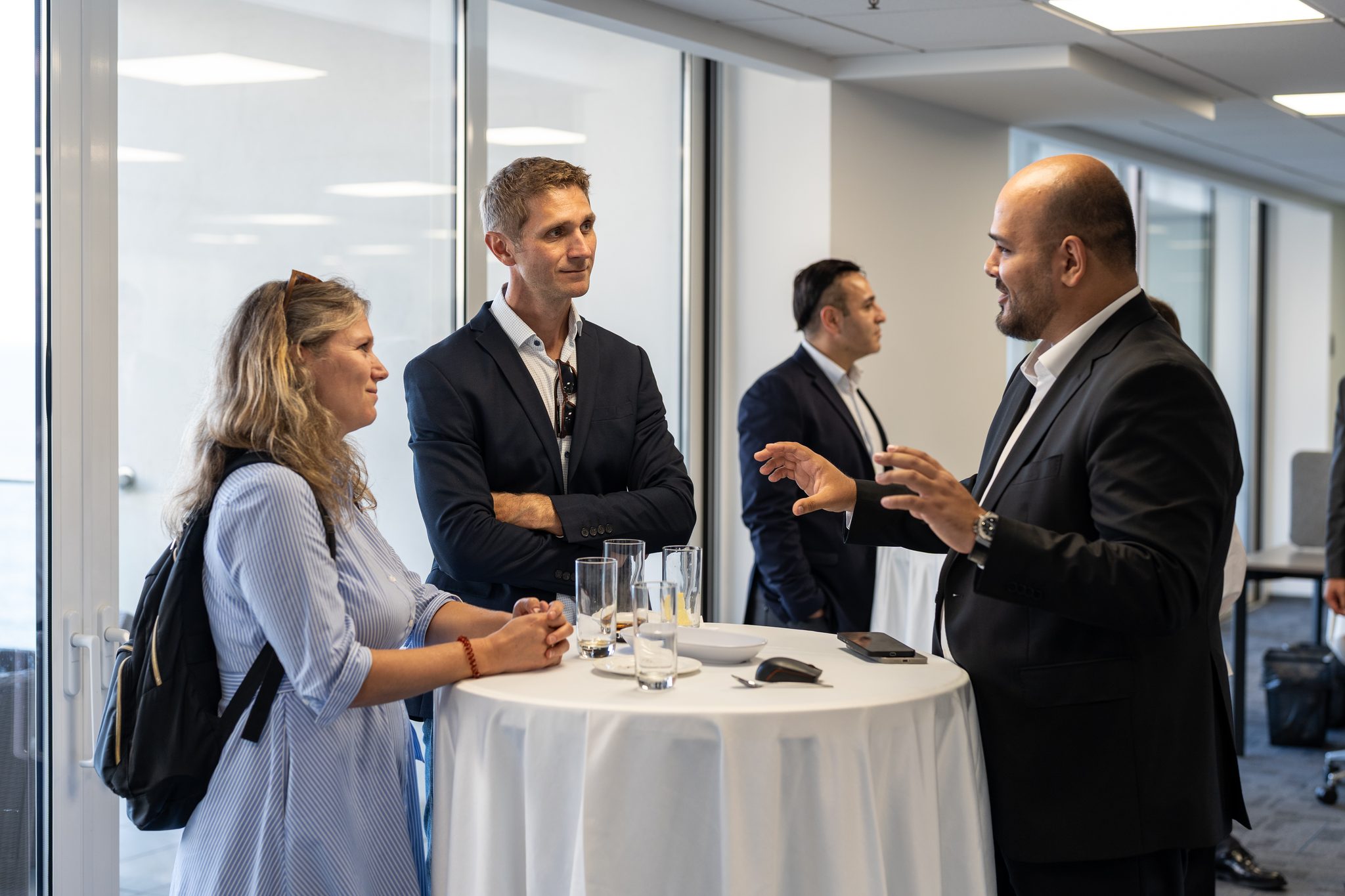
Alkagesta’s banking summit in Malta draws partners from across Europe’s financial centers
The gathering reflected the scale of the company's global ambitions and the growing confidence of the international financial community in ...

Silvano Azzopardi appointed to Board of Directors of Global Legal Entity Identifier Foundation
GLEIF had been set up and tasked with developing a universal identifier for legal entities involved in financial transactions.
