


Engineering professionals, industry leaders, policymakers and academics gathered for the Chamber of Engineers’ 33rd Annual Engineering Conference to explore how emerging technologies and sustainable practices will shape Malta’s industrial and infrastructure landscape over the coming decade.
Held at the Westin Dragonara Resort in St Julian’s under the theme “Engineering the Next Decade | Advancing Smart Industry and Sustainable Infrastructure”, the conference focused on the role engineers will play in supporting innovation, resilience and long-term economic development.
Opening the event, Chamber of Engineers President Bonnie Attard highlighted the profession’s growing importance in addressing challenges ranging from climate change and energy efficiency to digital transformation and infrastructure resilience.
She noted that engineers are increasingly at the centre of efforts to drive technological advancement while ensuring that growth remains sustainable and future-focused.
The conference also featured addresses by Bjorn Callus and Bernard Grech, both of whom stressed the need for continued investment, innovation and collaboration to build competitive industries and sustainable infrastructure systems.
A total of 27 speakers from across the public and private sectors, academia and industry contributed to the programme, which included nine presentations and three panel discussions.
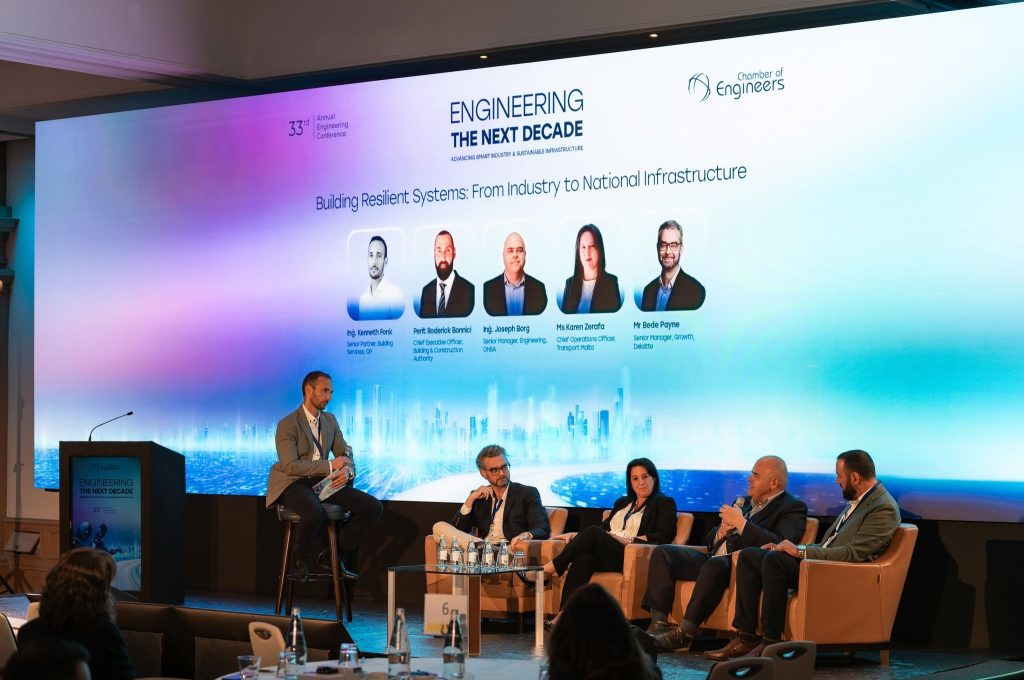
Topics ranged from artificial intelligence, cybersecurity and data engineering to intelligent building performance, operational intelligence, energy optimisation and resilient infrastructure. Delegates also examined research and innovation funding opportunities, as well as the preservation of industrial heritage.
Throughout the discussions, participants explored how digital technologies are reshaping industries and infrastructure, while emphasising the importance of balancing innovation with responsible governance and sustainability objectives.
Panel sessions brought together experts from different disciplines to discuss how engineering can contribute to smarter industries, more efficient buildings and stronger national infrastructure networks. Speakers repeatedly highlighted the value of interdisciplinary collaboration and long-term planning in delivering meaningful progress.
One of the key messages emerging from the conference was that engineers will not only need to adapt to technological change in the years ahead but also help lead and shape it. From artificial intelligence and automation to energy efficiency and infrastructure resilience, the profession is expected to remain central to tackling future economic, environmental and societal challenges.
The Chamber of Engineers expressed its appreciation to the organising committee, led by Activities Secretary Meriel Ann Borg, as well as the speakers, moderators, sponsors, partners and attendees who contributed to the event.
Featured Image:
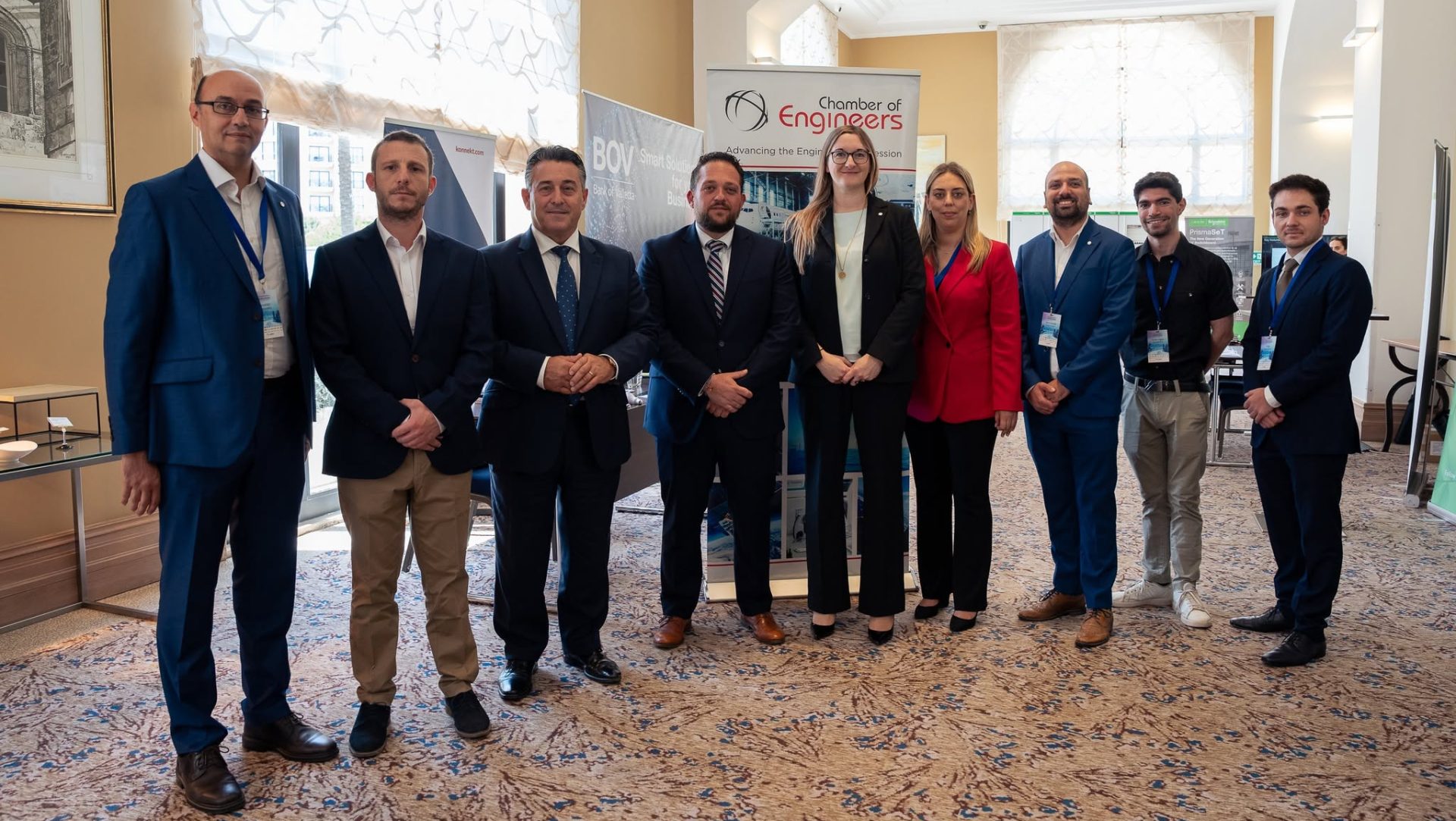
COE council members with Bjorn Callus and Bernard Grech before start of conference


Six workforce indicators every CEO should be tracking
Workforce data can offer CEOs an early indication of emerging business challenges.
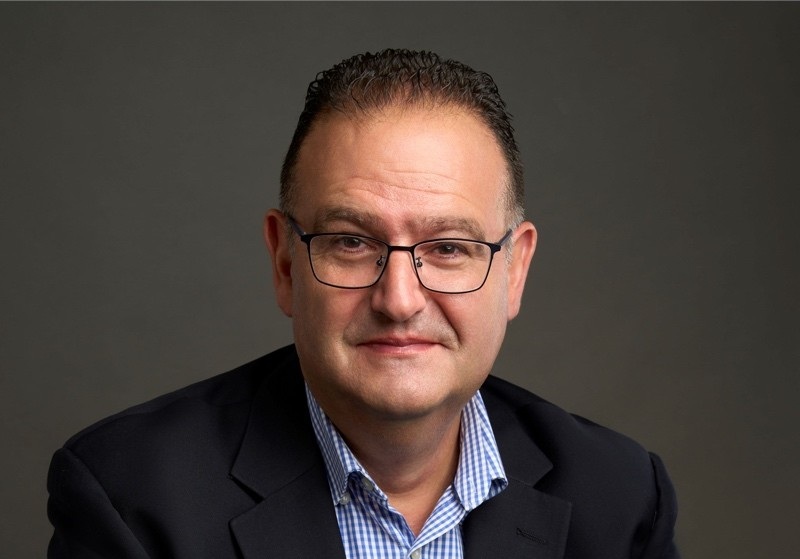
Silvano Azzopardi appointed to Board of Directors of Global Legal Entity Identifier Foundation
GLEIF had been set up and tasked with developing a universal identifier for legal entities involved in financial transactions.
Why continuous learning and development has become a leadership imperative
Regulatory change and technological disruption are amongst the things that have transformed leadership into a discipline that requires constant development.
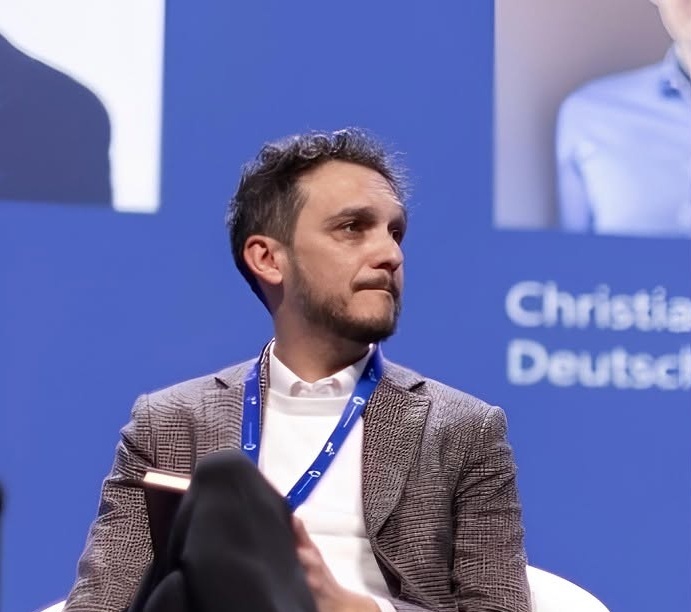
Conrad Aquilina appointed Financial Services Director at EBO.ai
Conrad Aquilina has over 15 years of senior leadership experience in technology and commercial strategy.
