



Malta International Airport (MIA) has appointed Belina Neumann as a non-executive director, bringing nearly 25 years of aviation industry experience to the airport operator’s board.
Currently serving as Head for Aviation Development at Vienna Airport, Ms Neumann has built a career focused on airline relations, route development and airport growth strategies. She is also Managing Director of Vienna International Beteiligungsmanagement GmbH, a subsidiary within the Vienna Airport Group.
Beyond her aviation expertise, Ms Neumann has an academic background that combines business, communications and the humanities. She holds an MBA in Aviation from Danube University Krems and previously studied German, literature and journalism.
The addition of Ms Neumann comes at a time when Malta International Airport is pursuing an extensive investment programme, including the ongoing East Expansion project and the development of SkyParks 2. During the AGM, CEO Alan Borg also announced that the company had secured €100 million in external financing to support major infrastructure projects while maintaining financial stability.




Sawadee Valletta! Iniala brings Thai family-style dining to Malta
Led by celebrity chef Ian Kittichai, Anaalā takes diners on a journey across Thailand with four rotating menus.
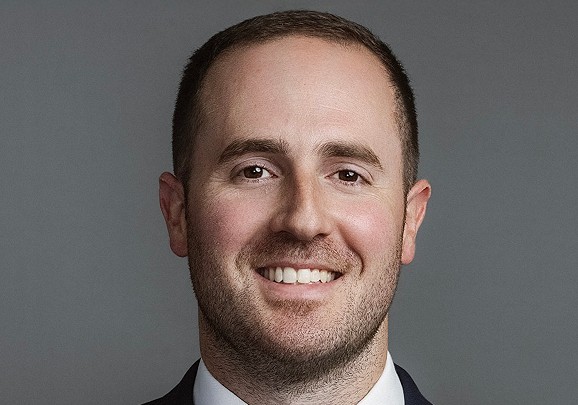
Deloitte Malta appoints Michael Agius as Director and Deputy Chief Legal Officer
‘Truly been a privilege to learn and grow within this global organisation,’ says Michael Agius.
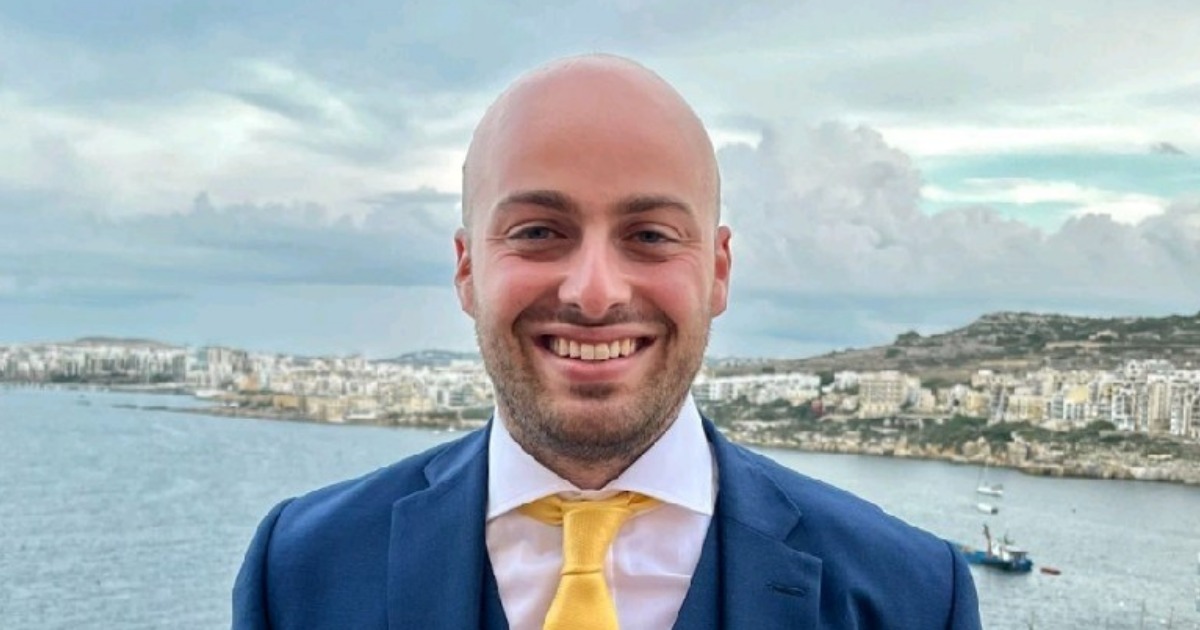
Ryan Mahoney joins Bajada Group as Chief Operating Officer
This comes after more than four years as a General Manager at Bolt Malta.

Ian Zahra appointed as Director of International Tax at Deloitte Malta
He has been with the company for over six years.
