


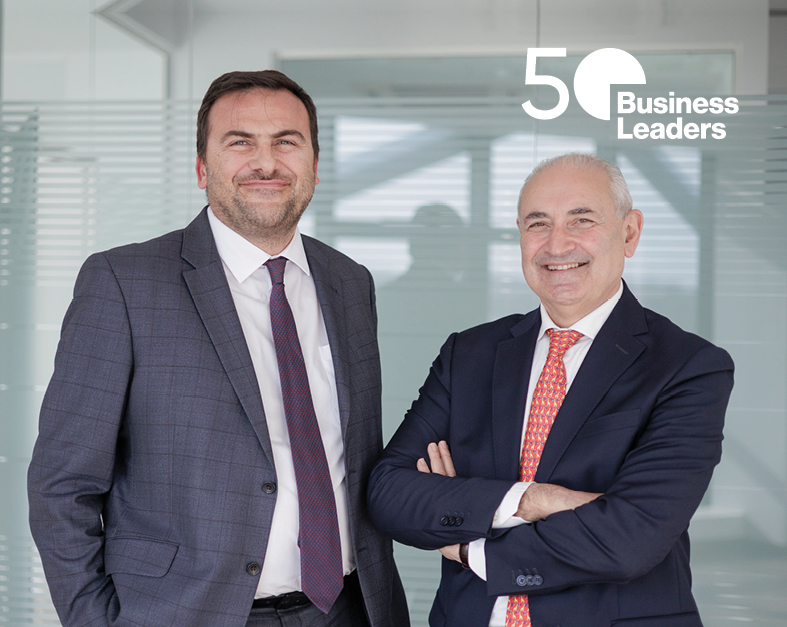
In 2025, Grant Thornton Malta reached a defining milestone, marking 50 years since its beginnings as Emanuel Bonello & Co. in 1975. It was a moment to reflect on a journey shaped by steady growth, strong values, and a reputation built on quality and trust. But the anniversary signalled more than longevity. It also marked a leadership transition, as George Vella stepped into the role of Managing Partner, succeeding Mark Bugeja, who had been with the firm since 1987 and led it since 2013.
For George, the appointment has been both an honour and a learning curve. He speaks openly about the scale of the responsibility, describing the role as one that comes with “very big shoes” to fill. What has helped, he notes, is that Mark hasn’t simply handed over the keys and walked away. His continued presence within the firm has provided a degree of continuity that has eased the handover.
Reflecting on his years working alongside Mark, George is clear about the leadership example set before him. “Mark was always someone who had a lot of respect around the partners’ table,” he says. “It’s something he earned. He carried responsibility with courage and always aimed to reach consensus.”
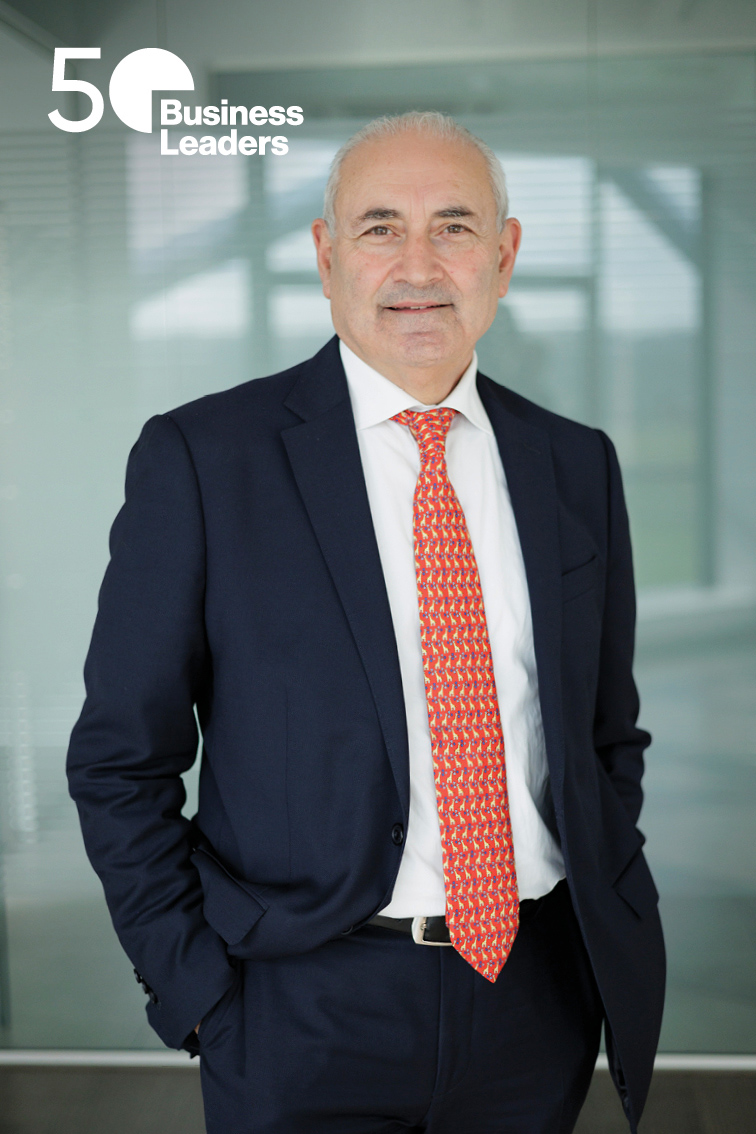
That approach was tested during one of the firm’s more challenging moments, a merger that proved unsustainable. “When we realised a decision had to be made, Mark handled it in a sterling fashion,” George recalls. “It was a highly charged environment, but he remained calm, led with dignity, and ensured we exited the situation in a mutually agreeable way.” The result, he adds, left little fallout, leaving all parties able to move forward positively. Through moments like these, alongside many others, George notes that his predecessor “has left the business in a better shape than he found it. That is what you hope for when you step into a leadership role.”
Mark, however, is quick to shift the spotlight. “No one works in isolation,” he says. “Any respect I had, came with the support of the people around me. If you push decisions without consensus, you create winners and losers. That’s why I always tried to create an environment where dialogue leads the way.”
In the final six months leading up to the leadership change, George set out to ensure continuity with a clear, structured manner. He initiated a comprehensive strategic review of the firm, one that allowed him to step back and understand every aspect of the business in detail.
“It was very much a process of discovery for me,” he explains. “I had to really grapple with understanding how Mark managed everything. He carried a lot on his shoulders and handled many things without fanfare.”
The goal was to build an honest, granular picture of the organisation, highlighting its strengths, new opportunities, and areas where sharper attention was needed. By Mark’s assessment, this was the most thorough internal review in the firm’s history. “It gave us a complete, holistic look at where we stood,” he says. “It hadn’t been done in such depth for many years. It was an important moment to take stock and start afresh.”
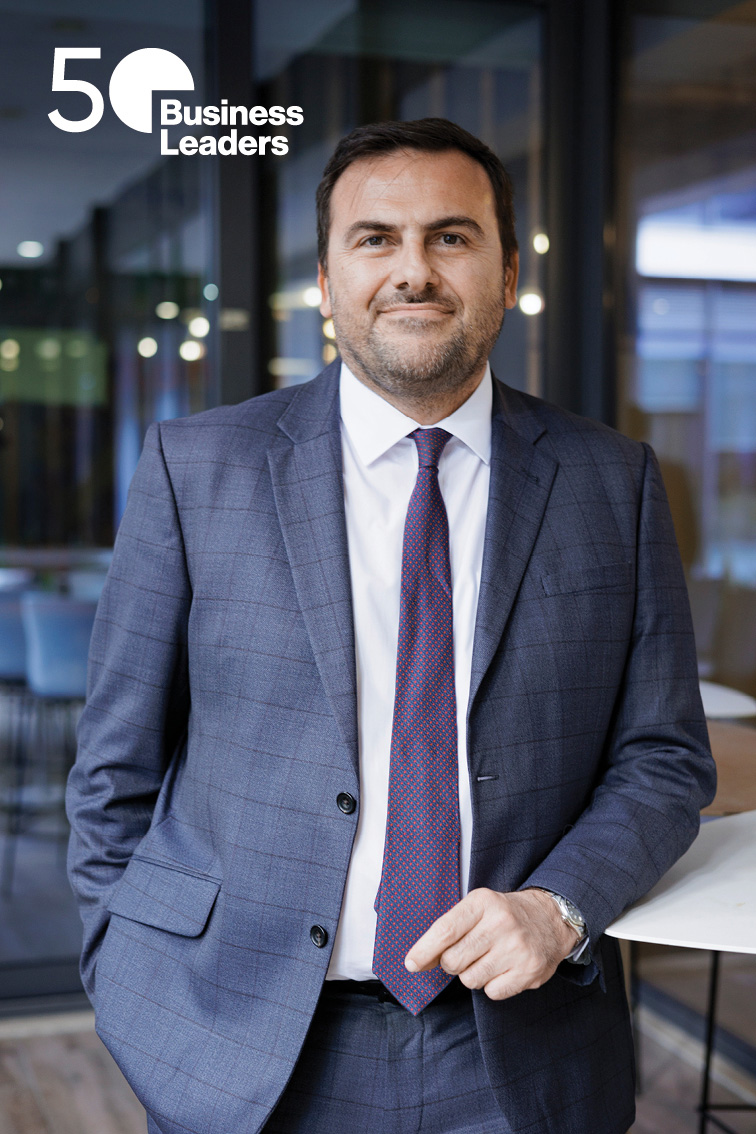
Interestingly, this internal exercise coincided with a similar shift at global level within Grant Thornton International Ltd. As leadership changed internationally, a parallel strategic process unfolded, creating an unexpected alignment between local and global priorities. “That was one of the most rewarding parts,” George reflects. “When we aligned our findings, it confirmed that none of us operates in isolation. Across our network, we face many of the same challenges. It’s reassuring to know others have already gone through similar situations and found tested solutions. You can learn from what works, avoid what doesn’t, and move forward with greater confidence.”
For its own part, Grant Thornton Malta has certainly proven it has its own strengths. Since its founding in 1975, the firm has been built on a simple but demanding principle that professionalism and quality are non-negotiable. “It’s always been in our DNA,” reflects Mark. “If you don’t have a strong reputation, both in practice and by word of mouth, you won’t deliver satisfactory results to clients.”
This has allowed Grant Thornton to punch above its weight. In a market like Malta, where scale is limited and opportunities cannot be ignored, Grant Thornton has consistently competed head-on with the Big Four. “We were always competing in a league higher than expected,” Mark notes. “We never shied away from tenders dominated by larger firms.” The difference, he adds, often comes down to an approach that favours a more hands-on, partner-led service model that prioritises personal attention. “Our style of doing business is one that clients have genuinely appreciated,” Mark notes. “We regularly receive very positive feedback on how we handle engagements compared to how they were managed before.”
The firm’s evolution has also been shaped by its international ties. Joining Grant Thornton International Ltd in 1991 marked a turning point. At the time, its methodologies were better suited to Malta’s predominantly small-business landscape. Today, that same network has scaled significantly, equipping the local firm to serve both complex clients and smaller enterprises with equal confidence.
With the strategic review behind him and a clearer understanding of the demands of leadership, George is now turning his attention to what comes next. In many ways, the direction is already taking shape. In recent years, Grant Thornton Malta has steadily expanded into areas such as fintech, ESG, and advisory, and is only continuing to build on this momentum.
“Previously, we achieved a lot with the resources and limitations we had,” he explains. “But today, the opportunities are different. So naturally, we can be more ambitious in how we grow.”
Rather than viewing AI and digital transformation as a threat, George sees them as part of the firm’s next evolution. “We are welcoming it with open arms,” he says. “The way we work today won’t be the same in five or ten years, and that’s fine.” What will remain constant, however, is the organisation’s core philosophy. “We invest in our people, we invest in the tools they use, and we never let quality slip,” he adds. “That’s how we will stay ahead and continue delivering value.”
His ambition to take Grant Thornton to the next level of growth and success feels both a natural next step and one that is well-earned. “There are areas where we are already leaders locally,” he says. “Now it’s about replicating that across the board to be able to provide an ever more holistic service to our clients”


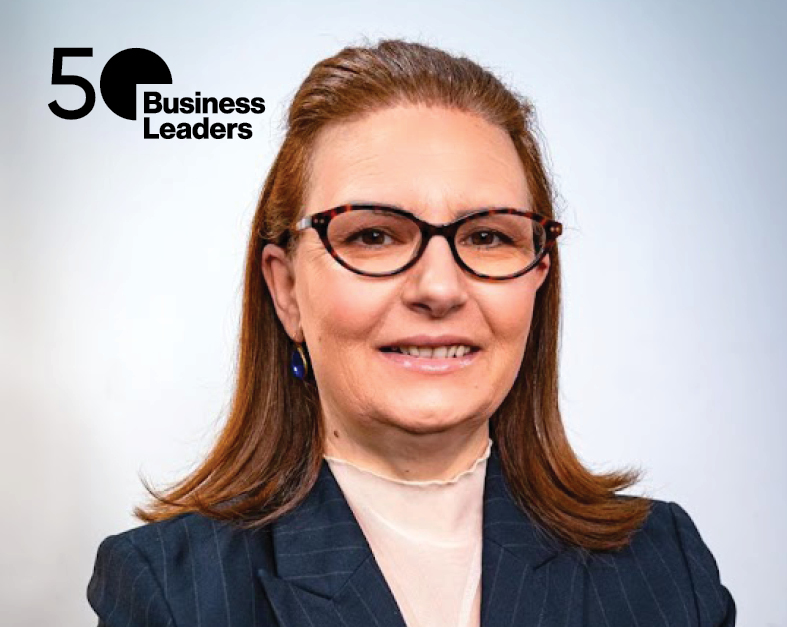
‘A leader’s true purpose is to empower others to succeed’
IDEA College Principal Dr Nadia Maria Vassallo reflects on a diverse career spanning every tier of education.
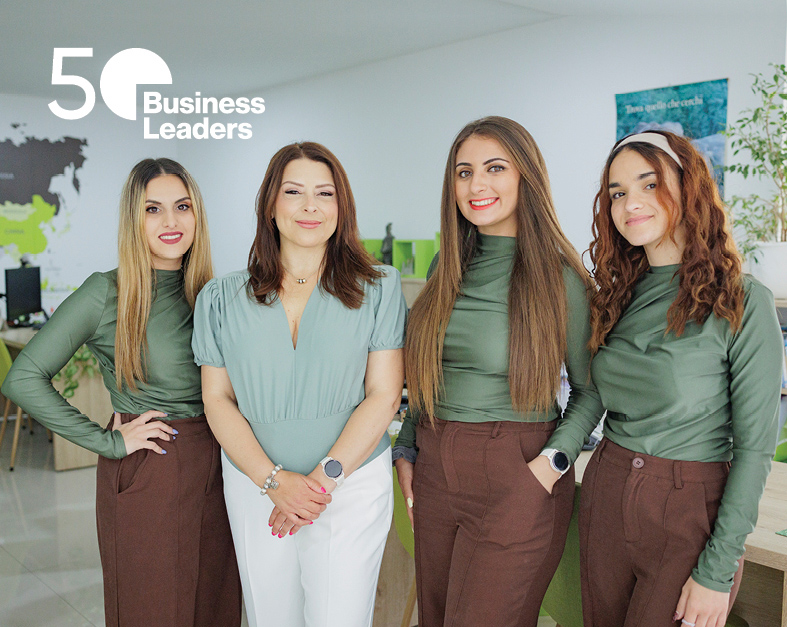
Compass Travel’s strategy driven by bespoke experiences and human-led solutions
Diane Mifsud Depasquale says the travel firm is consolidating its vision as a personalised one-stop-shop for long-haul destinations.
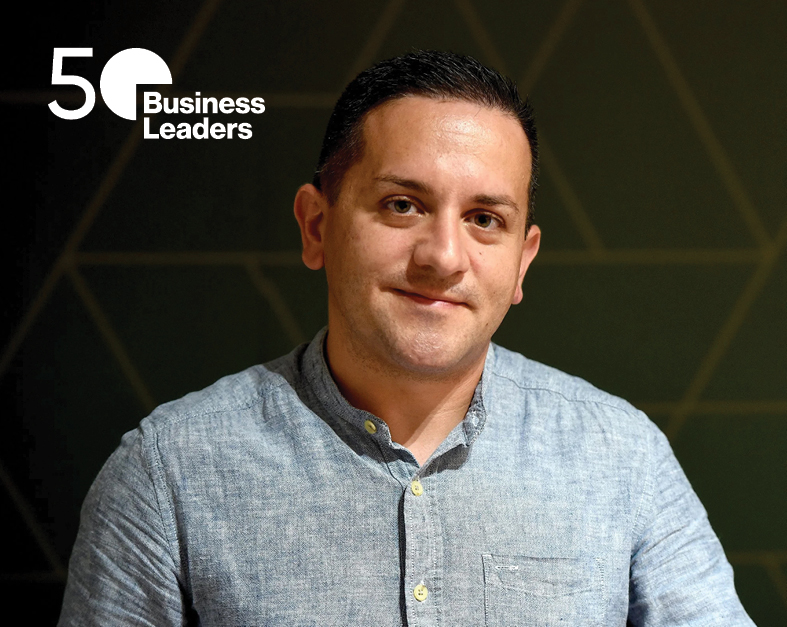
Taking on the giants: Religa’s boutique strategy is generating growth
As CEO of Religa, Edgar Portelli has helped transform a tiny Maltese startup into a leading live casino supplier.
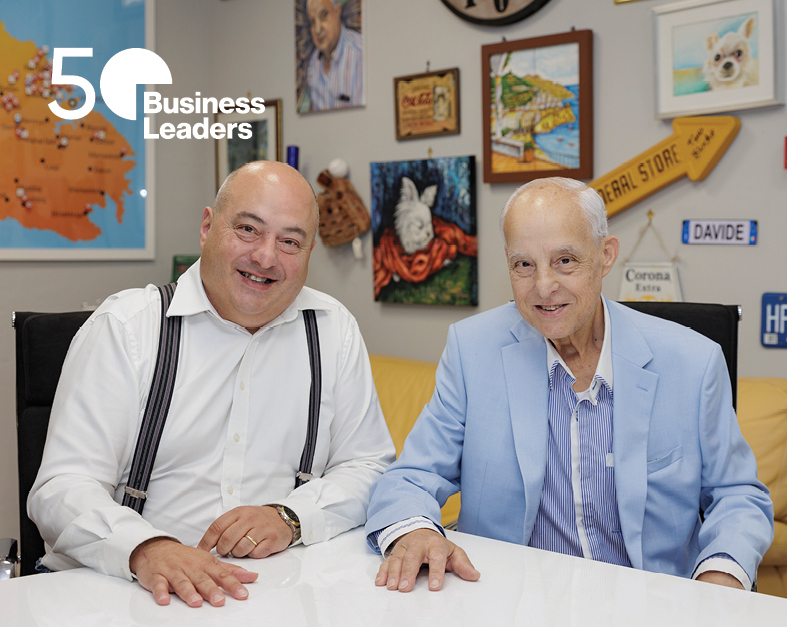
daves Food Stores build on a family legacy to serve local communities
Founder and CEO David Grech, together with his father Victor, speak about the shared values which fuel the evolution of ...
