


When Diane Mifsud Depasquale founded Compass Travel in 2016, after having worked within the travel sector in Malta since 1995, she was intent on offering a tailor-made service for long-haul and far-flung destinations, providing first-hand expertise to clients seeking the unknown and the exotic. Today, after 10 years of operation, this remains her priority: to offer bespoke journeys which are crafted and supported by a team of specialists.
“I moved from Australia to Malta in 1994 and started working in the travel industry 31 years ago, in the mid-90s, when the market was leaning towards European destinations,” she says. Yet – having herself moved from across the world – Ms Mifsud Depasquale understood the benefits of building an expertise around the long-haul market.
“I didn’t want to do what others were doing. And, with long-haul travel, we offer clients the opportunity to experience fundamentally different cultures, in terms of food, religion and festivities, for example. Even going into a supermarket somewhere completely different could be educational. You learn how other people live. Travelling to far-flung places broadens your knowledge of the world and allows you to truly detach yourself from your day-to-day,” she explains.
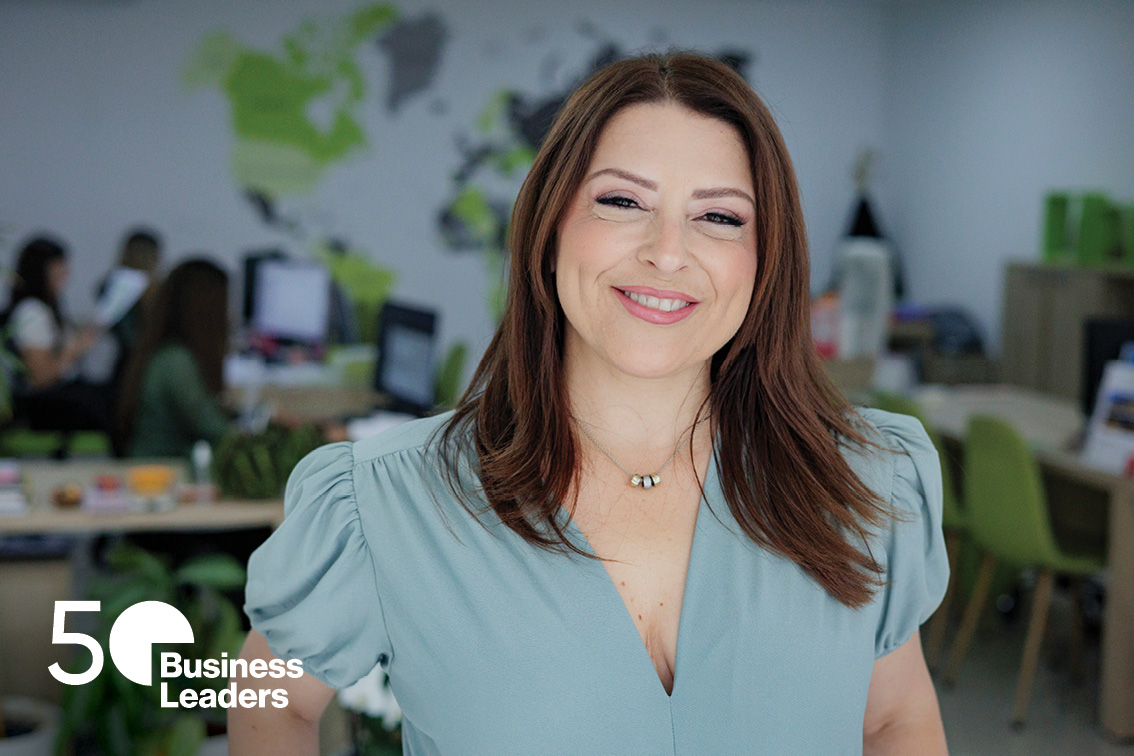
On opening Compass Travel, and taking on the role of Managing Director, she was driven to translate that knowledge into practical assistance to business travellers, honeymooners, and, more recently, seniors with more free time on their hands.
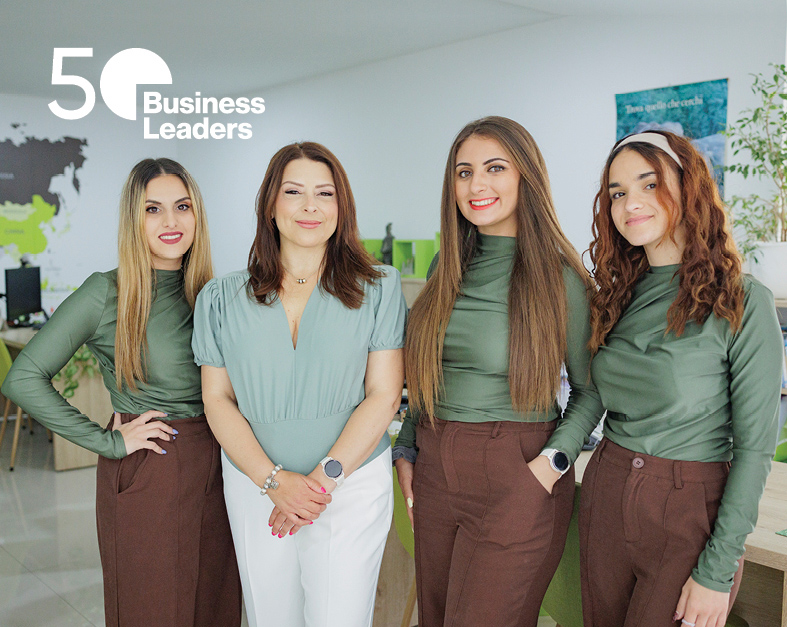
“We are a small agency of six people, but we’re loud. When I say this, I mean that people know about us through word of mouth. You won’t see a billboard with our name emblazoned on it, but we’re spoken about at the hairdressers, or at weddings or between friends – anywhere where communities get together. This is because our focus is to be there for our clients, and to offer what those clients want. We do not have ready-made packages, unless we’re organising a tour in-house, but, instead, we sit down with our clients to try to understand what they want from their long-haul booking,” she says.
Indeed, the process towards confirming a trip starts with a meeting, preferably face-to-face, Ms Mifsud Depasquale continues, so that she can gauge reactions to certain suggestions through non-verbal cues. “Many times, clients would say that they would like to, for instance, go on honeymoon but they wouldn’t know precisely where they would like to visit. The couple may also have different ideas of what a honeymoon is so, as we go through the different activities, options – whether it’s a beach or mountain holiday, for example – and photos, I would be able to tell how they’re feeling from reactions. I would know if they’re bored or excited, and that helps me cater to their preferences, to offering a destination that would suit them,” the Managing Director says.
Following the initial consultation, the team prepares a personalised quote, which might be further refined. “To confirm the booking, the client would leave a deposit; then, one month prior to the trip, we would meet in person again to settle the final balance and to review, once again, the personalised itinerary. We also reconfirm all the hotels, double check all excursions, and address any specific requirements, such as needing a cot in the room,” she says.
This attention to clients’ individual requirements is the company’s “secret sauce” Ms Mifsud Depasquale asserts, underscoring the logistical support the firm’s team provides their clients, before, during and after the trip. Moreover, in a market increasingly driven by technology, Compass Travel’s human-first approach translates into the ability to solve issues without the frustration that comes with automated runarounds.
“Technology has, of course, played a role in how our industry has shifted. When the internet was first introduced, we had sites like Skyscanner and Expedia which seemed to compete with regular travel agents. However, when travellers got stuck, and in some cases even scammed, that travel agent was there, in the background, ready to step in,” she recalls.
In parallel, and with reference to more recent advances, “AI can assist people by giving them a basic outline of an itinerary, of where to visit, and how long you need. But it will never tell somebody that a hotel is currently under renovation; it wouldn’t necessarily know when a cruise has been cancelled because of barnacles under a ship that need to be cleaned; and there’s no algorithm that will give you a specific and timely solution by answering your call at midnight,” the founder explains, stressing the benefits of personalised support.
Such assistance is becoming more necessary as time goes on, she continues. “We are seeing an increase in airlines and cruises cancelling last minute. When this happens, you need to negotiate different options, rather than simply accept what these companies offer, since they wouldn’t have an understanding of the bigger picture, and of what each of their passengers necessarily needs. However, if you have someone supporting you wholeheartedly, you won’t need to be concerned. With a licensed travel agent, you are protected,” she highlights.
Safe to say, she adds, she “hardly” sleeps, getting on average “four or five hours every night, since our role is continuous. It’s non-stop, with changes occurring all the time. We’re like the doctors of travel. We have to be on call. It can get challenging sometimes – particularly if the airlines do not advise us of any changes beforehand – but we keep our eye on the ball, monitor emails and see how to secure the best next move in case something does happen,” the Managing Director says.
Over the years, it’s not only technology that has changed; it’s also the destinations of choice. “COVID was a game-changer, in that the demand for long-haul increased since people felt they had really missed out. And where they chose to go also shifted. We used to have a big market catering to America, Thailand and Caribbean cruises but, today, clients are keen to go somewhere more exotic. So, we’re offering destinations such as Saudi Arabia, Colombia, Pakistan and Uzbekistan. People have become more adventurous,” Ms Mifsud Depasquale attests.
The company also organises an increasing number of long-haul group tours. “This is being offered by public demand. We’ve, for instance, organised trips to Japan, Sri Lanka, China, Colombia, New Zealand, The Azores and other exotic destinations. Our clients like our choice of hotels, the service and the overall itinerary we prepare since we make sure to make it fun, to hit the most popular experiences, and yet make it flexible so that whether you’re 20 or you’re 60, you can make it work for the way you’d like to travel,” she describes.
Looking ahead, Ms Mifsud Depasquale understands that whatever challenge arises, you “just have to keep going. You can never completely foresee the future and, often, it’s the unexpected which risks derailing the sector”, such as was the case with 9/11, the current wars in Ukraine and the Middle East, and, of course, COVID-19. However, she says opportunities arise when “you’re focusing on delivering a good quality package and service, and when you have the right people to work with you,” she insists.
Of fundamental importance, she adds concluding, “it helps to provide a familiar face to our clients so that they know that we’re here to guide them. I always make sure to build an open and friendly relationship with them and, indeed, we don’t onboard a large amount of commissions. It’s always been about the quality of the service we give, and not the quantity.”


‘Business is a marathon, not a sprint’ – Dr Silvio De Bono
As IDEA Group marks nearly a quarter of a century of growth, its Founder and Managing Director shares hard-won insights ...
‘A leader’s true purpose is to empower others to succeed’
IDEA College Principal Dr Nadia Maria Vassallo reflects on a diverse career spanning every tier of education.
Taking on the giants: Religa’s boutique strategy is generating growth
As CEO of Religa, Edgar Portelli has helped transform a tiny Maltese startup into a leading live casino supplier.
‘We have to continue investing in our people to provide an even more holistic service to our clients.’
Amid a milestone anniversary and leadership transition, George Vella and Mark Bugeja reflect on Grant Thornton Malta’s growth and what ...
