



The country needs to be bold enough to introduce incentives, and also disincentives which will help people move from how they have been operating, Malta Chamber of Commerce, Enterprise and Industry CEO Marthese Portelli told WhosWho.mt, responding to a question about car use.
During an interview with this newsroom, she was asked about traffic issues on the island, and the light rail system proposed by the government. The first light rail line would connect St Paul’s Bay to the Malta International Airport. Valletta, Qormi and Mater Dei Hospital, but would not include St Julian’s and Sliema.
Asked whether she believes this rail system will be a success, Dr Portelli said that unless the number of cars on the road at any given time is reduced, “no system will work (to solve the issue).” The country needs to have a system which includes a number of solutions that will make it easier for the car user to use alternative modes of transport, she says.
She explains that the Chamber has constantly put forward a set of initiatives. “While on the one hand incentives do have their benefits, one must also think about disincentives.”
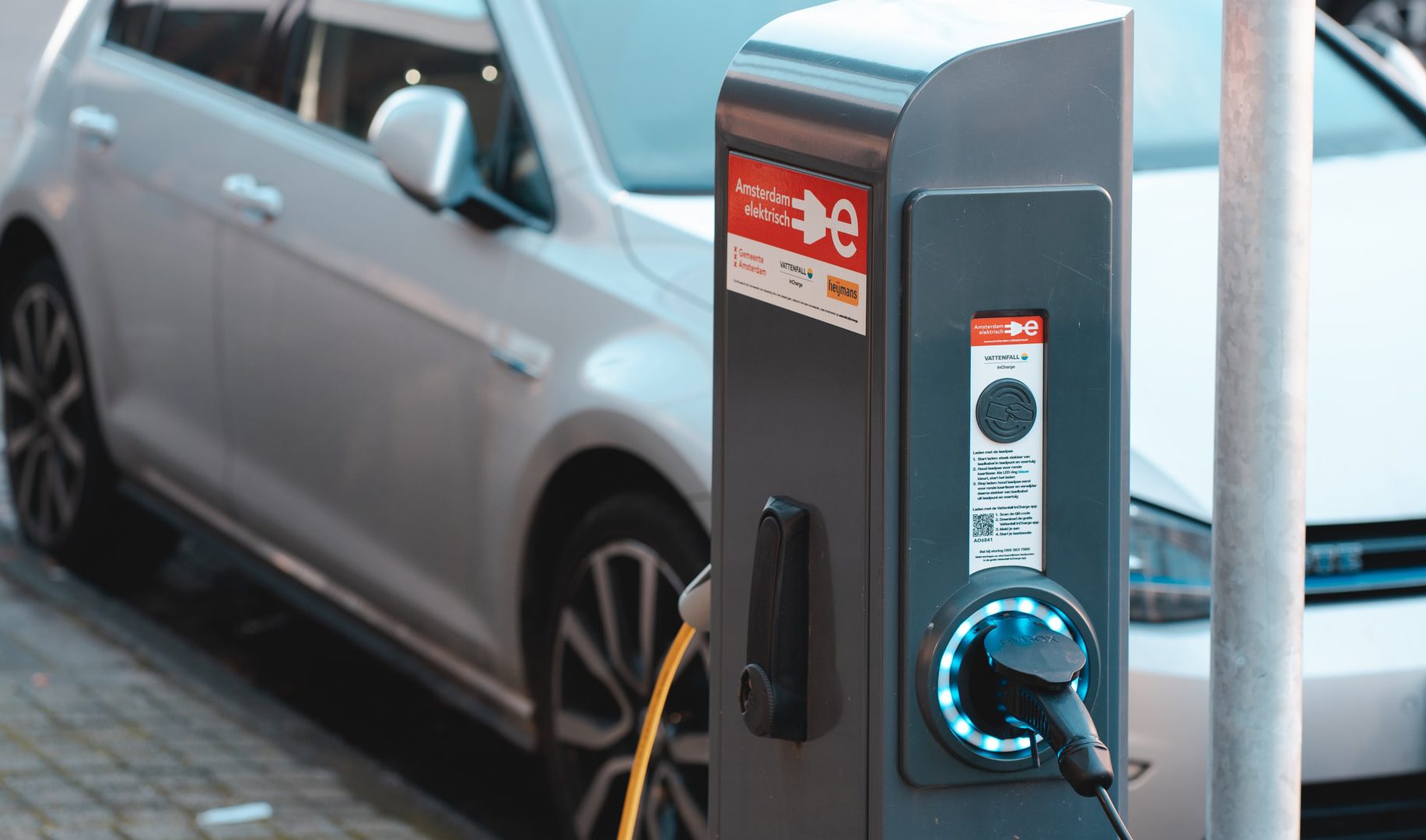
Here, she mentions an e-mobility wallet proposal, something the Chamber has been advocating for over a number of years.
Public transport doesn’t meet everyone’s needs, schedule and requirements, she says.
“So, irrespective of how much you subsidize it, you are always going to leave a cohort of people out of the picture as, due to their work, where they work, their requirements, they cannot use public transport.”
“What the Chamber proposes is that, instead of directing the subsidy only towards one type of transport, it should be invested in the Maltese population. Everybody should be given an amount which can be used on sustainable means of transport, which would go beyond what we currently have in terms of public transport and sea transport.”
The Chamber’s proposal is for funds to be made available for an e-mobility wallet for people to use on various sustainable transport modes – saying that an amount could be allocated annually to be used for all forms of shared or sustainable transport in order for people to change their behaviour and lifestyle.
The Government made a similar proposal in this year’s manifesto, for a mobility wallet that will bring together public transport services, sea transport, car pooling, and park-and-ride facilities, and will include a system of mobility credits that are earned when alternative means of transport are used.
But the Chamber had also tied its policy suggestion to paid on-street parking in central and congested urban areas, proposing that fees people would pay would transfer into their own e-mobility wallet.
Dr Portelli believes the Chamber’s proposal would be more successful than Government’s. “We need to get cars off the road. The minute we get cars off the road, a trip will be shorter, and it will benefit both the individual user and businesses that are carrying out their deliveries.”
The Chamber’s proposal, she said, is that a motorist parking in such an area pays, but that amount is credited back to the same person in their e-wallet.
“So if you decide to continuously use your car, you have to pay. It's similar to the polluter pays principle. On the other hand, if you are willing to change your lifestyle, your way of operating, then you are getting the benefit of it, and that is what triggers a culture change.
Looking at taxi services, she said that when they were first introduced there were sceptics who questioned why someone would catch a cab instead of using their own car. “Once it proved that it can be convenient, then the service actually kicked off. What we're advocating for here is that we need to be bold enough to introduce incentives and disincentives and proposals which will help people move away from the way they have operated or acted so far.”
The Government has consistently positioned itself against the use of disincentives to solve the traffic problem. Asked whether she believes it can be tackled without disincentives, Dr Portelli responds: “It depends how you look at it.” Referring to the aforementioned proposal, she said some may view it as a disincentive while others as an incentive to be a better citizen.
Regardless, she says that no proposal will work in isolation. She highlights other ideas to tackle traffic, one of which is to introduce obligatory off-street car park spaces tied to planning permits issued for new buildings, rather than allowing it to be offset against a payment of fees. Another, she said, is to introduce better use of smart parking technology to notify drivers of closest available parking spaces.
Enforcement against illegal parking is also crucial, she says.


‘Our opening scenes looked like the first Rocky film’ – Dennis Mark Gauci on CLA Malta’s success
It was a small team, with long days and big ambition

Buddha-Bar lands in Malta
The world-renowned brand opens in St Julian's on 29th October.

‘Meaningful career transitions require preparation and grit,’ MaritimeMT CEO says after award
She said that being acknowledged as part of the next generation in shipping means keeping doors open for the talent ...
Kenneth Farrugia: Financial crime prevention ‘extends to the national dimension’
He argues that protecting individual organisations is no longer sufficient, given the broader implications financial crime can have for a ...
