

For several years, labour shortages in Malta have been a persistent concern for employers.
Malta's labour market is being shaped by longer-term forces: A small domestic labour pool, demographic change, continued economic growth and persistent demand for workers. Together, these factors clearly indicate that talent scarcity is becoming a structural feature of the market rather than a temporary recruitment challenge – a pain point that I am sure most employers will relate to.
A long-term labour shortage needs a long-term strategy. Employers cannot simply wait for hiring conditions to improve. More attention needs to be given to how to attract and retain talent, and very difficult conversations need to be tied to whether future growth can continue to rely solely on hiring more people.
The new Malta Labour Market Report by Konnekt combines national data with candidate research. Below are three findings particularly relevant to the way organisations think about recruitment, retention and workforce planning.
Malta is relying more on international employees, but retention is becoming harder
International employees now make up more than a third of Malta’s total workforce. Hence, clearly, importing talent is no longer a temporary response to labour shortages. International recruitment is becoming part of normal workforce planning across many sectors and roles.
Attracting people from abroad is only part of the challenge. Retention is becoming more difficult as international employees compare opportunities in Malta to roles in other EU markets.
The data shows that turnover is higher among other EU nationals and third-country nationals than among Maltese employees. This places greater importance on what happens after recruitment. Onboarding, integration, career development and day-to-day support all affect whether people settle and stay. A workforce that depends more heavily on international talent needs stronger systems for helping people build a future within the organisation.
Fewer than one in ten say they are actively looking for a new role
Only 9.2 per cent of respondents to Konnekt’s candidate survey described themselves as actively looking for a new role, while many more said they were not actively searching but remained open to opportunities. This means that a recruitment strategy focused only on active jobseekers reaches just one part of the available talent market. This concept of ‘passive jobseekers’ is a relatively recent phenomenon and may be linked to the sheer volume of opportunities candidates are bombarded with on a day-to-day basis, making them somewhat less proactive in their job search, given the unprompted opportunities being presented.
Many experienced candidates are already employed. They may not be checking job boards regularly or submitting applications, but they may still consider a move if the right opportunity reaches them. Recruitment planning therefore needs to include how to reach people who are open to moving, even when they are not actively looking.
This also makes the way a role is presented more important. Konnekt’s research looked at what candidates consider when deciding whether to apply for a job. Practical factors carry the most weight: compensation, flexibility, career progression, location and working arrangements. Other factors, such as culture and the speed of applying, are less influential at the initial application stage.
Economic growth cannot continue to rely only on hiring more people
Another broader question emerges from the data: Can Malta’s growth continue to depend simply on increasing the workforce? Much of the country’s economic expansion has been supported by a growing workforce, while productivity growth has been more modest and varies significantly by sector.
As talent becomes harder and more expensive to secure, more attention will need to be given to how work is organised and where employees create the most value. This brings productivity into the recruitment conversation. Technology, automation, skills development and job redesign can all shape workforce needs, influencing both the number of people required and the capabilities organisations need to build.
Recruitment will remain important, but it cannot be the only response. In many cases, the next step may be to redesign roles, develop existing employees or remove repetitive work before adding another position. Recruitment, retention and productivity now need to be considered as connected business decisions.
Join the webinar: Malta’s labour market and recommendations for employers
Malta can continue to attract talent and grow, but workforce availability can no longer be taken for granted. The roles organisations create, the people they try to reach, the conditions they offer and the pre-onboarding candidate journey coupled with the employee experience once they join all need closer attention.
On 29th September at 11:00am, Konnekt will present the findings of the new Malta Labour Market Report in a dedicated webinar for employers and business leaders.
The session will explore what is changing in Malta’s labour market, what candidates are telling us about their expectations, and what this means for recruitment, retention and workforce planning.
Register for the webinar to join the discussion and receive the full Malta Labour Market Report.

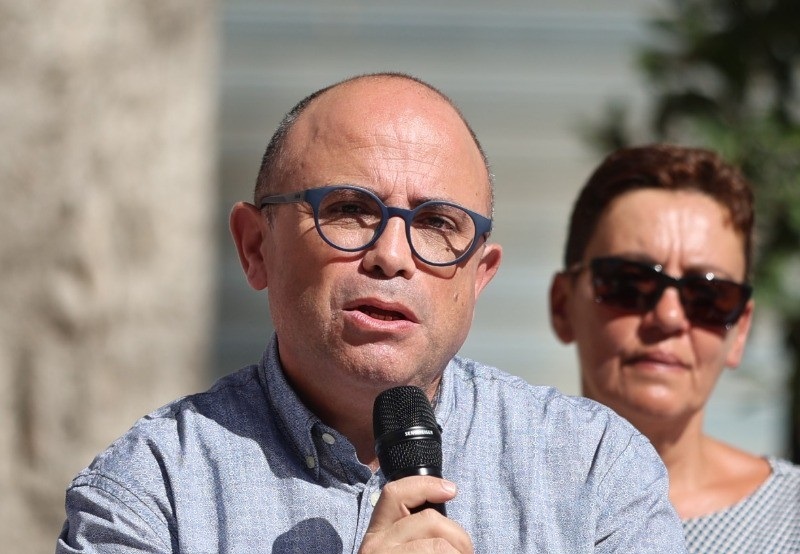


Organisations say increasing productivity, not suppressing wages is answer to tackling gap
'Companies also need support to invest, improve processes', Director General of the Malta Employers Association says.
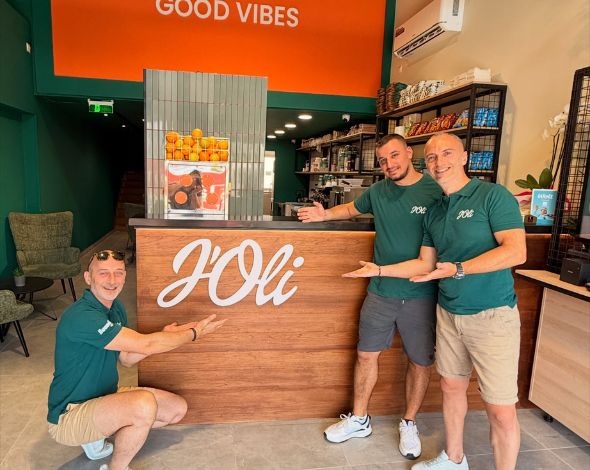
‘A very proud moment’: J’Oli Co-Founder celebrates new Cypriot outlet
Jean Paul Cascun says new Paphos outlet is 'only the beginning'.
Stefan Riolo appointed Executive Director of Clearflowplus
Stefan Riolo succeeds David Sacco in the executive role.

Beyond the boardroom: How St John’s Co-Cathedral is redefining corporate engagement
The country's mix of heritage venues and close-knit business community means familiar settings can be transformed into something genuinely memorable.
