



Emails have become a cornerstone of professional communication, allowing businesses to exchange information seamlessly.
However, according to Stephen Caruana, Managing Director of Pixie Software, there is a fundamental contradiction in the concept of an 'urgent email'.

Mr Caruana recently took to LinkedIn to challenge the effectiveness of using email for time-sensitive communication.
He opened his post with a striking example: “Dear Sir/Madam, I’m writing to inform you of a FIRE which has broken out at the premises of…” His point? Urgency and email are inherently at odds.
“Would you email 911 in an emergency?” he questioned, highlighting the impracticality of expecting an immediate response from a medium designed for asynchronous communication. While an email can sit in an inbox for hours, a phone call ensures instant attention and action.
That said, Mr Caruana is not advocating for an increase in phone calls either, acknowledging that “we all know the dread of an unexpected ring.”
However, he argues that personal comfort should take a backseat when effectiveness is at stake.
The asynchronous nature of email, far from being a flaw, is what makes it an ideal tool for many professional scenarios.
As Mr Caruana points out, email excels in its convenience, making it the preferred medium for non-urgent matters.
“It’s ideal for providing updates without interrupting workflows. It helps communication with teams across different time zones. It keeps a written record of otherwise undocumented informal discussions and decisions,” he adds.
Beyond urgency, Mr Caruana also identifies other scenarios where email might not be the best option. Complex discussions, for instance, can be easily misinterpreted over email and are often better handled in real-time through a phone or video call. Similarly, email threads that spiral into endless back-and-forth exchanges can hinder decision-making. In such cases, a quick call can resolve matters more efficiently.
Ultimately, Mr Caruana stresses that effective communication is not just about sending a message – it’s about ensuring it is received, understood, and acted upon appropriately.
Relying on email for urgent matters, he argues, “signals to others that you don’t focus on delivering results, which is something that can seriously undermine your credibility in a professional environment.”
His advice is simple: “So the next time you catch yourself writing an ‘urgent email’, just do yourself a favour and pick up the phone.” And while some may recoil at the thought, he cheekily concludes, “you’ll thank me later.”
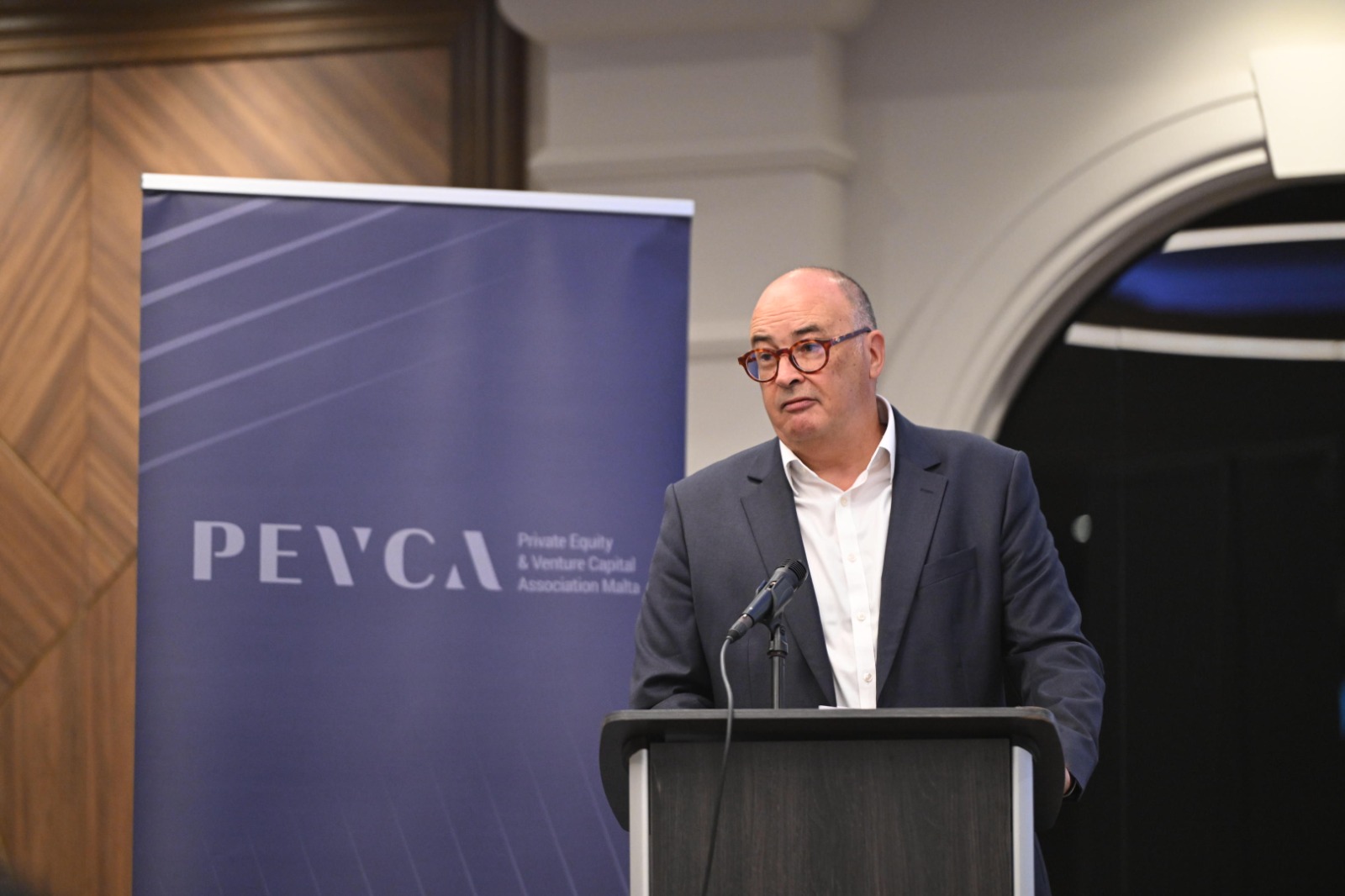
Featured Image:
Inset: Stephen Caruana / LinkedIn


Two masterpieces, one remarkable instrument
Michael Pantalleresco explores the poetry, passion and brilliance of the clarinet in works by Mozart and Weber.

‘A setting we couldn’t be prouder of’: db CEO on Hard Rock Hotel’s new rooftop restaurant
Cyana’s head chef is Spiros Tzilis, a Greek chef who has worked at Michelin-starred restaurants.

‘AI might be faster and cheaper, but at what cost?’ – Aramis Capital MD
He warns that businesses risk sacrificing service quality, human judgement and accountability in their pursuit of greater efficiency through artificial ...

‘We’re already late’: Employers chief calls for cross-party mass transport agreement
Through cross-party agreement, the solution will endure beyond individual legislatures, he explains.
