

When Malta hosts a major international tourism network, the conversation often centres on visibility. For Alan Arrigo, that framing misses the point.
“Yes, they spend more per tourist,” Mr Arrigo, Co-CEO of Robert Arrigo & Sons Limited, explains, referring to delegates attending global travel assemblies. “But the real value is the induced effect.”
“These people are not coming on holiday for leisure time. It’s an incentive, a conference, a meeting organised by an employer or a company on their behalf. The choice is not necessarily theirs.”
The decision to travel is corporate rather than personal, and that shifts the economic impact significantly.
The multiplier effect of business tourism
Mr Arrigo highlights the indirect demand such events generate. Corporate travellers may return privately or recommend Malta to family members and clients.
“It can possibly lead to other trips in future, or visits by family members. There are indirect demands. That’s why it’s nice to see,” he explains.
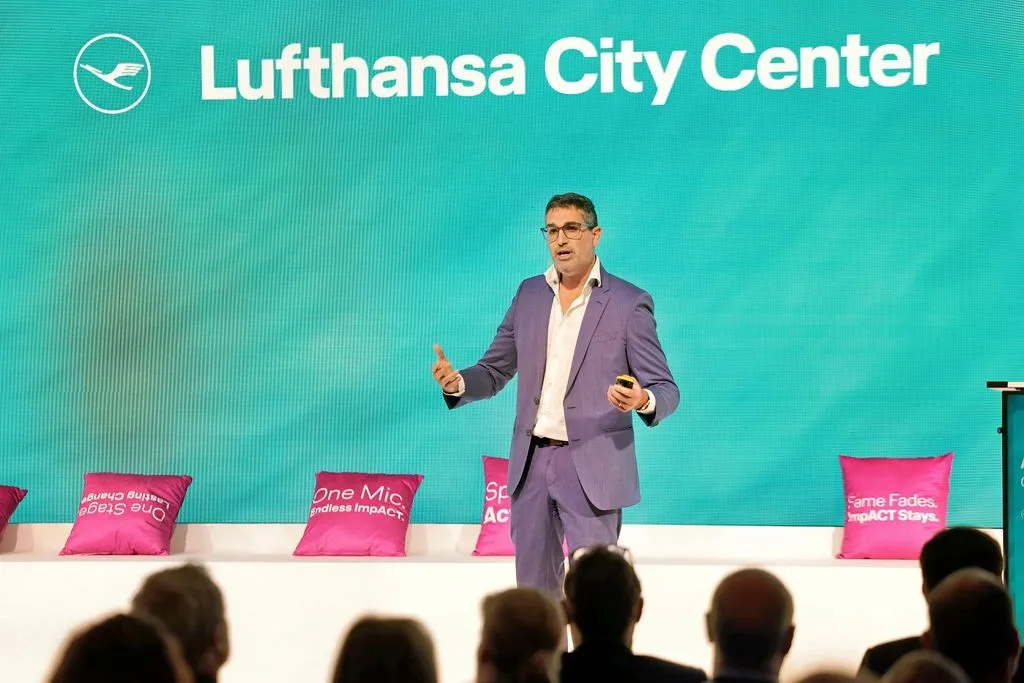
When Malta hosted the general assembly of Lufthansa City Center, the impact went beyond immediate delegate spending.
“Within the Lufthansa City Center global travel agencies, not many really knew where Malta is. It’s about mapping Malta. We are small.” The event functioned as a live introduction to decision-makers who actively shape global travel flows. By hosting the network, Malta strengthened its chances “to propose Malta as a holiday destination.”
Mr Arrigo is careful to distinguish this strategy from a simplistic push for luxury positioning.
“It should not be messed up with luxury. Luxury appeals to a small niche.” The ambition is broader, he tells MaltaCEOs.mt.
“This would be higher value at any economic level. The company is paying. The payer changes the dynamic.”
In other words, corporate-funded travel alters the spending structure. “When companies are sponsoring it, it’s a different ball game altogether.”
Structural bottlenecks
Yet Mr Arrigo is candid about Malta’s structural limitations.
“Infrastructure needs to be improved for luxury,” he says. More broadly, the The MICE industry (Meetings, Incentives, Conferences, and Exhibitions) segment faces clear bottlenecks. “We have only one main conference centre. The MFCC, which is essentially a tent structure, and the Mediterranean Conference Centre. That’s just one historic venue.”
The Malta Fairs and Conventions Centre and the Mediterranean Conference Centre provide capacity, but not the scale or flexibility required for sustained growth.
“We need another permanent hall, possibly allowing concurrent events and meetings,” Mr Arrigo argues, pointing to the need for a purpose-built facility capable of hosting multiple large-scale conferences at once.
Traffic is another constraint. “Traffic and transfer times are an issue. The more volume you have, the more traffic you create.” As Malta pursues higher-spend tourism, congestion risks undermining the visitor experience and eroding competitiveness.
For Mr Arrigo, the solution is targeted investment. “Ideally, investment should be looking at more tourism offerings for the MICE industry. A proper conference centre, which can also be used by residents.”
The emphasis is deliberate. Infrastructure developed for international business tourism should generate long-term value for the domestic economy as well.
Mr Arrigo situates these observations within Malta’s long-term ambitions under Vision 2050. The objective is not simply more tourists, but a repositioning within the global tourism value chain.
Networks such as Lufthansa City Center are not passive intermediaries. They curate, influence and structure how destinations are presented and sold worldwide. Being visible to them is not about pushing Malta as a product. It is about establishing Malta as a credible partner within an international ecosystem.
Destinations treated purely as products compete on price and volume. Destinations recognised as partners compete on reliability, competence and long-term relevance. Hosting global assemblies signals that Malta intends to operate in the second category.
Mr Arrigo underlines that such events are not ceremonial wins. They are operational tests.
Delegates do not simply attend meetings. They experience how Malta functions as a destination. How it hosts. How it manages logistics. How it delivers under pressure. In a market where destinations are constantly benchmarked against one another, lived experience carries more weight than marketing campaigns.
Destination Management Companies are central to this assessment. Presenting Malta’s DMC capabilities to a global network is not a sales pitch, but proof of operational maturity. Strategy must translate into execution.
Malta’s challenge, Mr Arrigo suggests, is not attracting attention but converting attention into confidence. Hosting international networks embeds Malta into professional relationships and long-term planning cycles. It shifts the country from being an option to being a known, deployable choice.
For a small island state, this is not cosmetic positioning. It is economic strategy.
If Vision 2050 aims to move Malta up the value chain, then business tourism and MICE infrastructure are not peripheral. They are foundational. The question is whether investment and policy will move quickly enough to remove the bottlenecks Mr Arrigo identifies.
In global tourism, value is not declared. It is demonstrated through facilities, logistics, service standards and the ability to host the world without strain. Malta has shown it can attract the right rooms. The next step, as Mr Arrigo makes clear, is ensuring the room itself is ready.
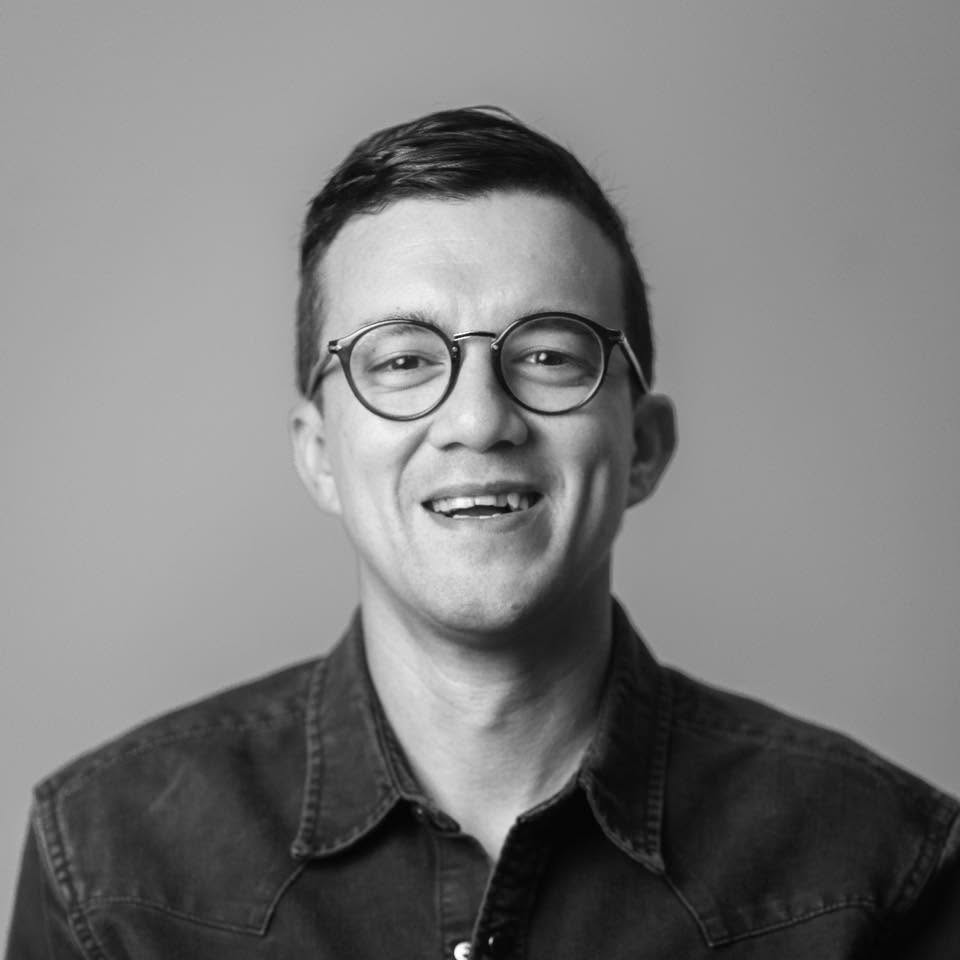
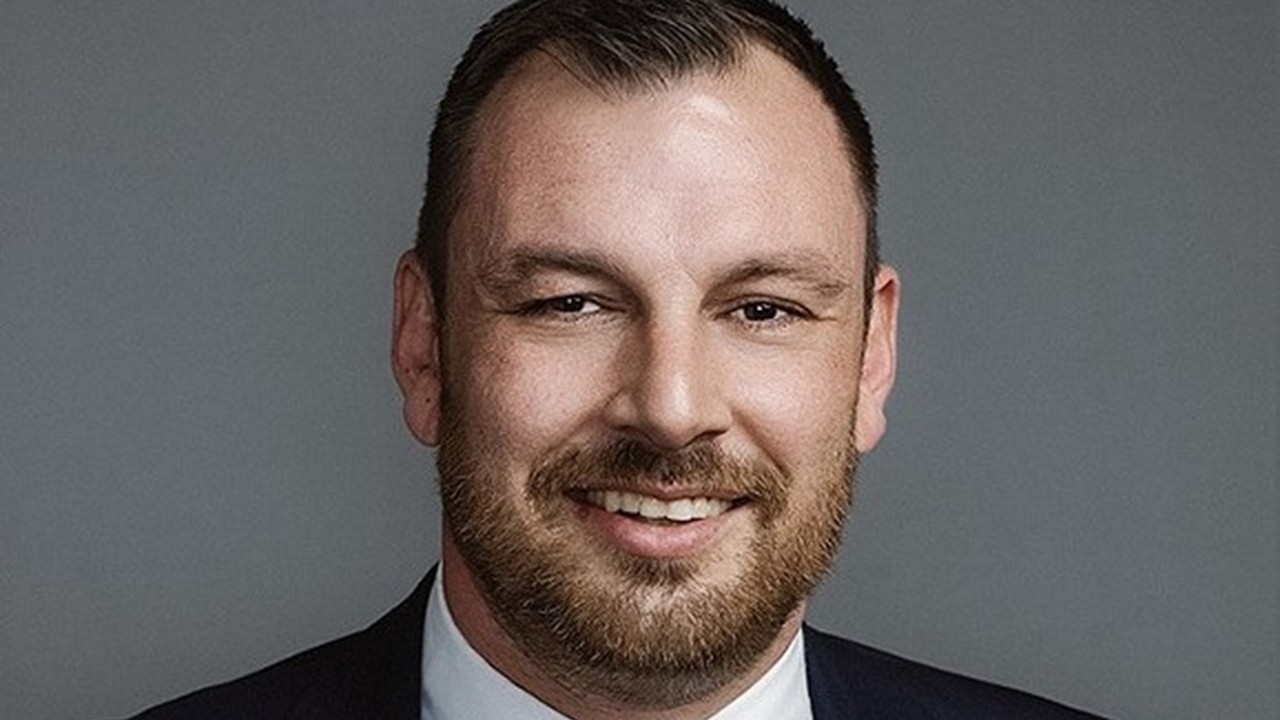
‘Together, we delivered some truly impactful projects’ – Ludwig Micallef leaves Deloitte
He resigns as Deloitte’s Director of Technology and Transformation
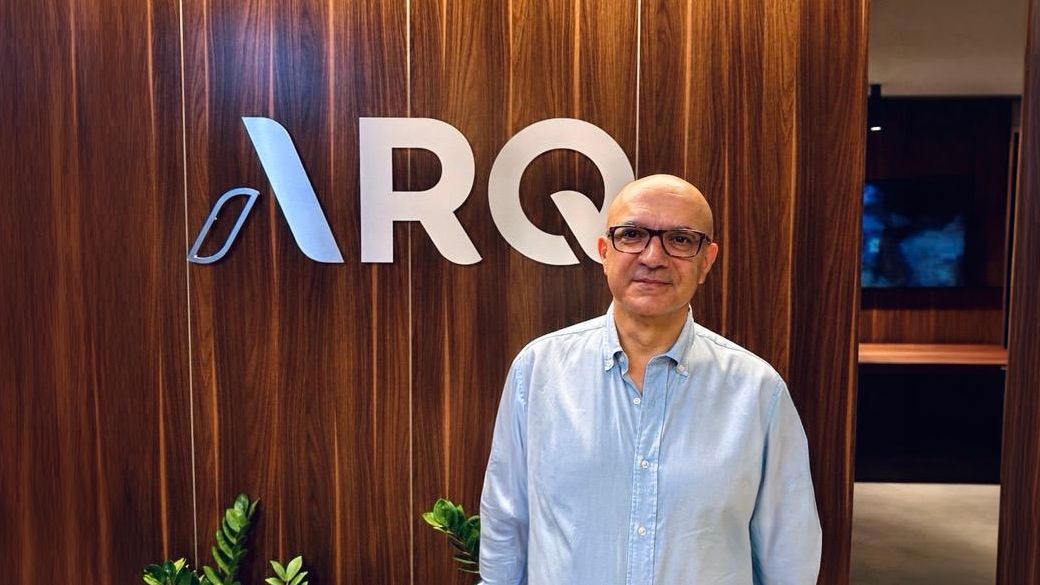
Marco Bugelli joins ARQ Group as Head of Corporate
'An exciting new chapter, with plenty of opportunities ahead,' he said.
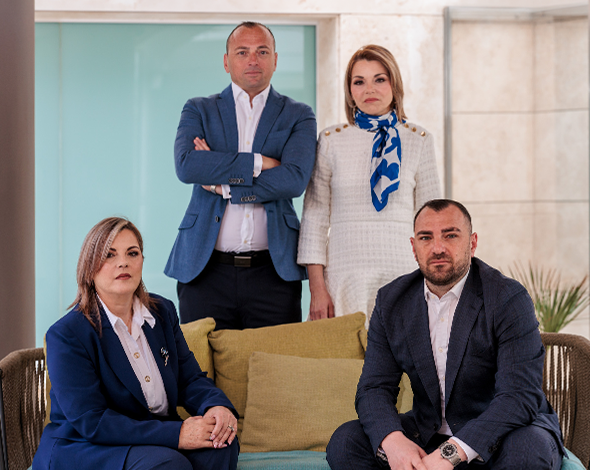
How the Schembri family is building its next chapter under SALV Group
Managing Director Fran Schembri on formalising five decades of family business under one banner, the legacy of his late father, ...
Maresca Demanuele starts new role as Senior Manager at Siemens’ Dutch wind farms
She will be working on the Hollandse Kust offshore wind farm regions in the Netherlands.
