



As the year wraps up, one of the most valuable things leaders can do is sit with their teams — in person or online – and look honestly at the year that has passed. This isn’t a soft ritual or a feel-good moment. Research in experiential learning, from scholars like David Kolb, shows that people learn most effectively when they move from concrete experience to structured reflection before taking new action. Without that reflective step, lessons often remain hidden, and organisations risk repeating the same patterns.
A major reason this practice matters is psychological safety. Harvard professor Amy Edmondson’s landmark studies on team performance describe psychological safety as a climate where people feel safe speaking openly, admitting mistakes, and offering ideas without fear. Prof Edmondson’s research consistently shows that teams with higher psychological safety learn faster, innovate more easily and adapt better. When CEOs and C-suite leaders model reflective behaviour at year-end – openly asking what worked, what didn’t, and what needs to change – they reinforce the very behaviours Prof Edmondson identifies as essential to high-performing teams.
The dynamics of trust deepen further when leaders communicate with authenticity. Studies on internal leadership communication – for example, research published in the Journal of Business and Technical Communication – show that when senior executives communicate responsively and transparently, employees report stronger connections to the organisation and are more willing to take initiative. A year-end reflection session, approached with genuine curiosity rather than scripted talking points, becomes one of the clearest demonstrations of that authenticity.
Reflection also helps address what many researchers call the “say–do gap”: the difference between what leaders believe they have communicated and what employees actually understand. Polling work such as the GE–Ipsos global surveys has repeatedly shown that executives tend to overestimate how clearly their values and expectations are understood internally. Year-end conversations create space to uncover mismatches, celebrate where alignment was strong, and course-correct where needed. Over time, this is how credibility is reinforced and trust rebuilt.
This emphasis on internal communication is not theoretical. Industry reports, including those published in Harvard Business Review and McKinsey Quarterly, show that CEOs are increasingly prioritising direct dialogue with employees – not as a ceremonial gesture, but because it strengthens retention, agility and organisational resilience. In Malta’s tightly interconnected business environment, where reputation and relationships travel quickly, visible reflection from senior leaders becomes even more powerful. It signals accountability not only to staff but to clients, partners and the wider community.
Crucially, meaningful reflection doesn’t need to be elaborate. A single hour spent in small groups – with C-suite members listening to frontline experiences, acknowledging wins, owning missteps and identifying learning priorities – can have more impact than a polished internal report. The follow-through matters most: documenting insights, turning them into a handful of tangible actions, and revisiting progress mid-year. This transforms reflection from a moment into a method.
The business case is clear. Studies in organisational psychology, including research published on PubMed examining the relationship between psychological safety and performance, show that organisations that encourage open dialogue enjoy higher engagement, lower turnover and stronger innovation metrics. These outcomes aren’t accidental: they’re the by-product of cultures where leaders make reflection and transparent communication habitual rather than exceptional.
For CEOs, the opportunity is uniquely strategic. The island’s economic and cultural ecosystems rely heavily on relational capital – trust, good faith, and a shared sense of purpose. An end-of-year reflection that acknowledges local pressures and global realities helps align teams around realistic goals while reinforcing a culture of listening and adaptability.
Ultimately, if you lead a Maltese organisation, consider your year-end reflection as more than an administrative wrap-up. It’s a moment to model humility, strengthen your narrative, and commit to the learning that will shape the year ahead. Done well, it doesn’t simply close the year – it deepens your organisation’s capacity to thrive in the next one.
KDM Group names John Bartolo Group Chief Commercial Officer
He says he is 'excited for the journey ahead.'
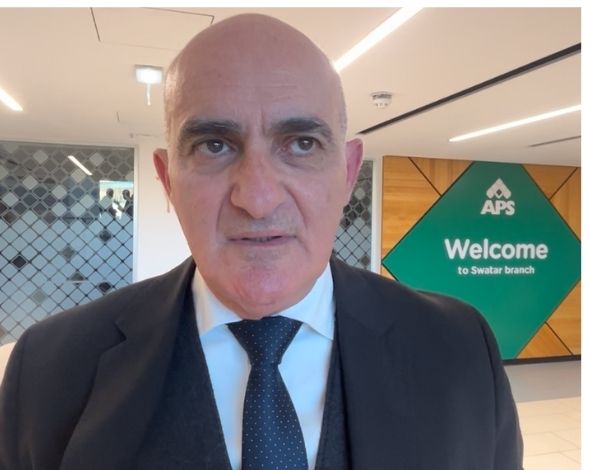
APS CEO says bank could tap into digital currencies to take advantage of disruption
Marcel Cassar says APS views disruption to traditional banking as a potential opportunity.
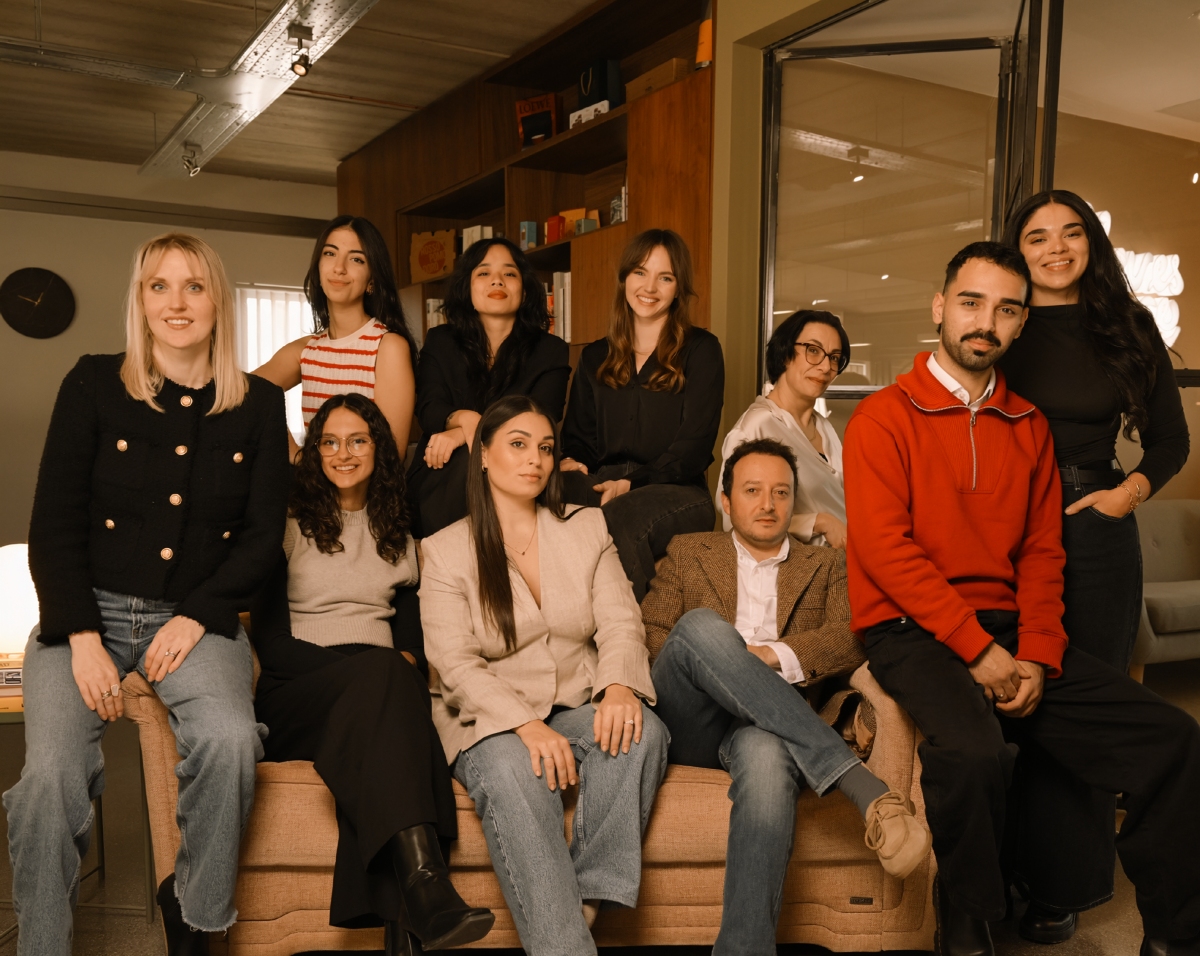
Steves&Co. – 20 years and counting
Twenty years of building brands, shaping experiences, staying curious.
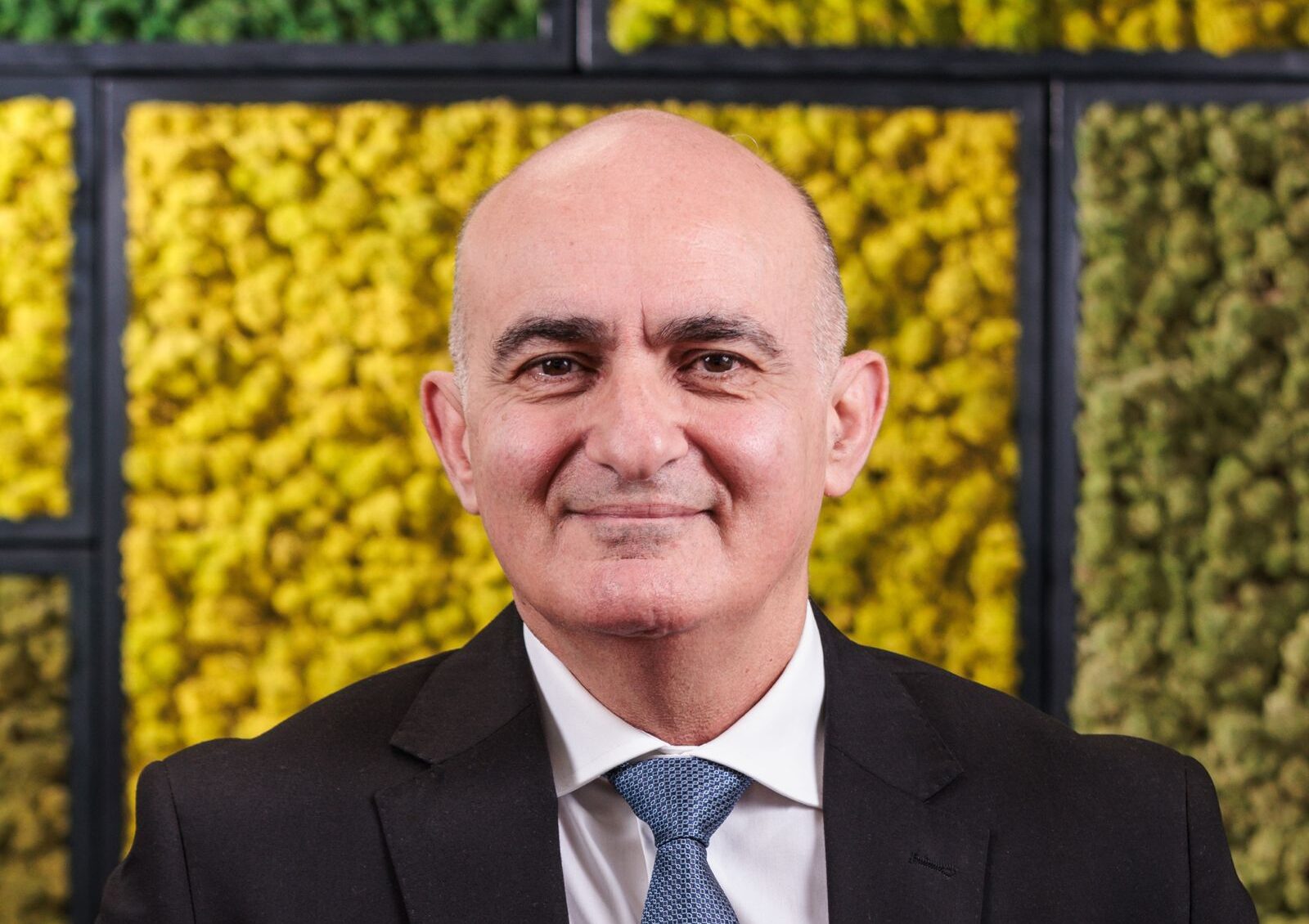
APS CEO eyes further growth after ‘standout’ 2025 performance
Marcel Cassar says the bank's strategy 'clearly paid off' as it registered 'broad-based double-digit growth over 2024.'
