


Malta’s financial services sector is projected to contribute between €4.8 billion and €5.3 billion to the country’s GDP by 2035. Yet, as growth ambitions sharpen, so too does the urgency of addressing one of the industry’s most pressing challenges: securing the skilled workforce needed to sustain that trajectory.
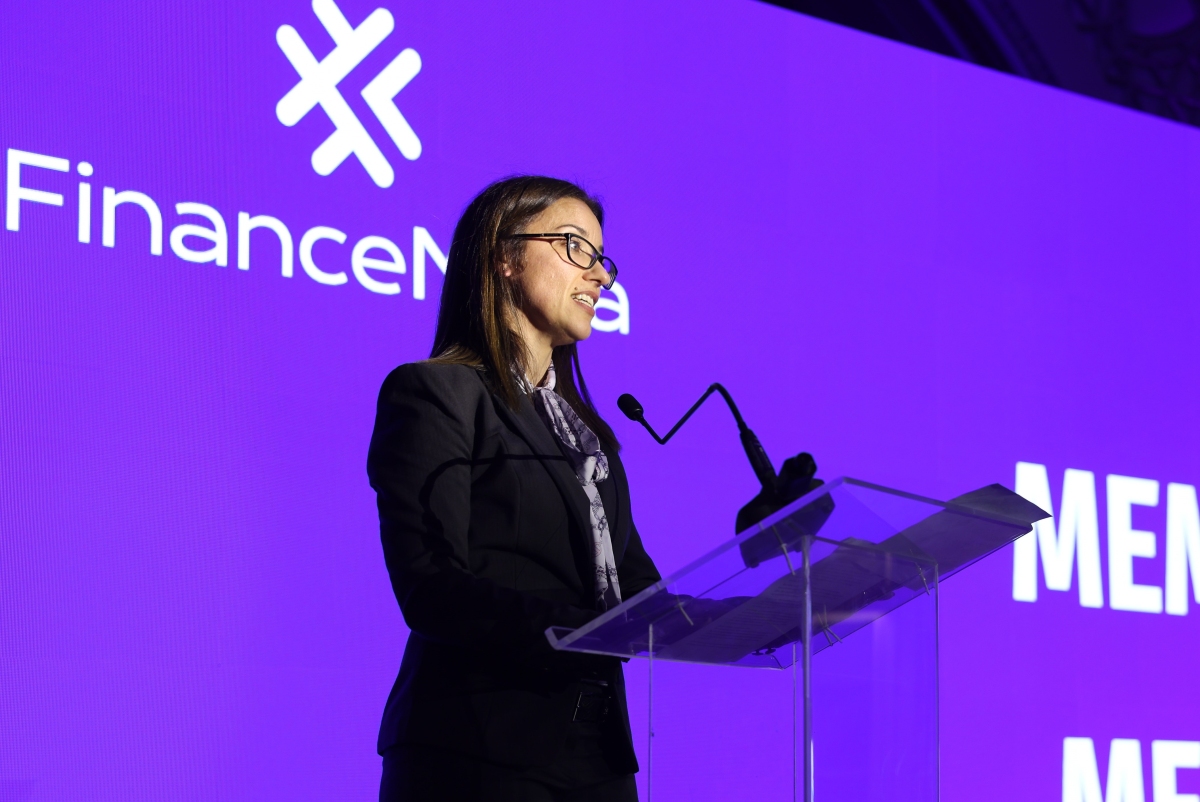
“Without a coordinated strategy to attract, train and retain top talent, Malta risks slowing the growth of one of its most strategically important industries and undermining its position as a competitive international financial hub,” says Dr Bernice Buttigieg, Chief Strategy Officer at FinanceMalta.
To better understand the scope of the issue, the Malta Financial Services Advisory Council has commissioned a landmark talent mapping study aimed at delivering the first comprehensive assessment of the sector’s workforce. However, early participation levels have raised concerns.
“Despite the importance of this exercise, to date, only 31 firms have responded and without broader input from companies across the sector, the study risks missing the full picture of Malta’s financial services talent landscape,” Dr Buttigieg warns.
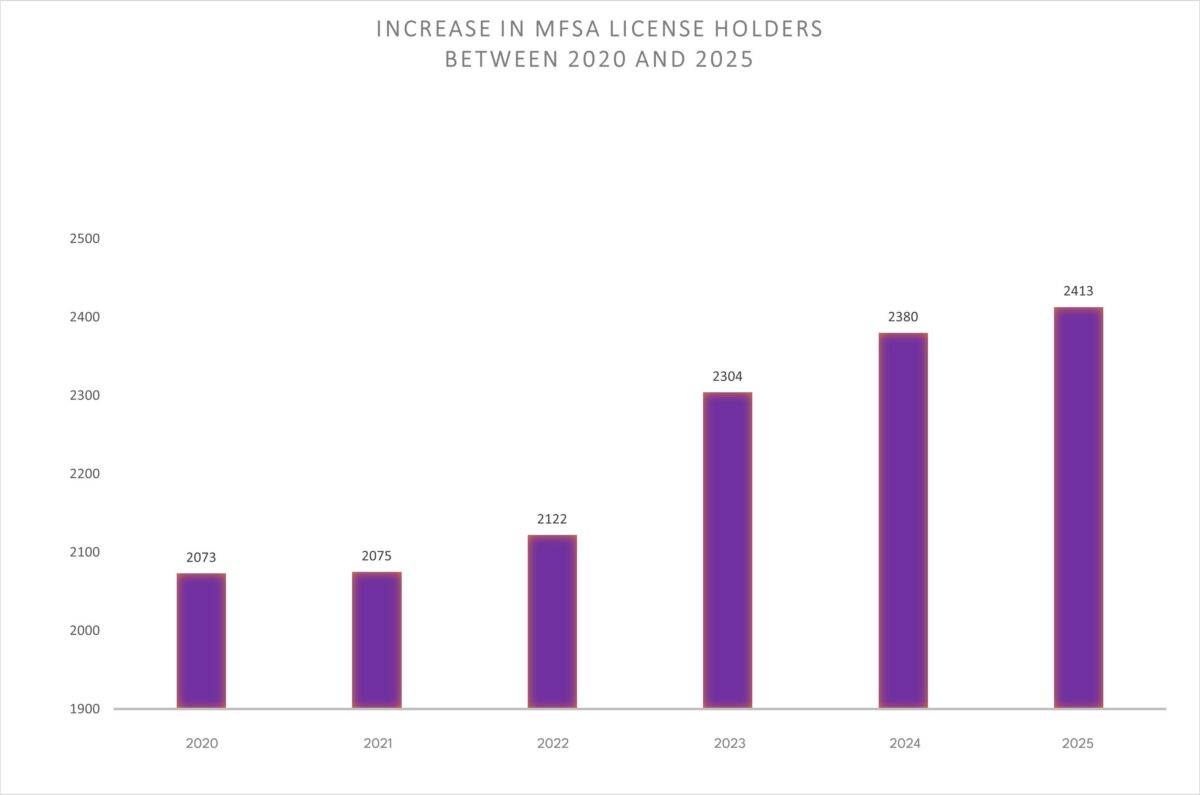
The sector’s economic significance continues to grow. It currently accounts for 8.2 per cent of Malta’s Gross Value Added, while the number of licensed entities has increased steadily. Figures from the Malta Financial Services Authority show that MFSA-licensed entities rose from 2,073 in 2020 to 2,413 in 2025 – a 16.4 per cent increase. Employment within the sector also expanded by 21.6 per cent between 2020 and 2024.
“Malta has managed to strategically position itself across traditional and emerging niches such as fund management, insurance, fintech, aircraft finance and family office services,” Dr Buttigieg notes. “Notwithstanding this achievement, human capital remains the sector’s most critical resource. Policies and incentives can guide growth, but without skilled professionals, the sector cannot achieve its full potential.”
The study, conducted by academics at the University of Malta and financed by Identità, is analysing recruitment trends, retention pressures, emerging skills gaps and the effectiveness of key immigration pathways, including the EU Blue Card, the Key Employee Initiative and the Single Permit scheme.
Dr Charmaine Portelli, Lecturer at the University of Malta’s Faculty of Economics, Management and Accountancy and a contributor to the study, emphasises the importance of understanding the workforce behind the industry.
“Malta’s growth targets are achievable only if we understand the people driving the industry – who they are, what they do and where gaps exist,” she says, highlighting that Third Country Nationals (TCNs) are increasingly occupying specialist roles across banking, fintech and insurance.
Fellow researchers Prof. Emanuel Said and Senior Lecturer Dr Daniel Gravino underline Malta’s competitive context within Europe.
“Malta is competing directly with established European financial centres for highly skilled professionals, making talent availability a decisive factor in the country’s ability to expand its financial services industry,” they explain. “Mapping TCN employment by function and seniority will provide both policymakers and companies with insights on where recruitment, training and migration policies can be refined.”
Dr Buttigieg echoes this sentiment: “We’re competing with some of Europe’s most established financial centres for the same talent. Understanding exactly where bottlenecks exist will help Malta secure its competitive edge.”
Alongside these efforts, government has introduced the Highly Skilled Individuals Rules, offering a preferential 15 per cent flat tax rate on qualifying employment income for top professionals in sectors including financial services. Eligible individuals must meet criteria such as a minimum annual salary of €65,000, relevant qualifications and senior or specialist roles.
“These positions often correspond to some of the sector’s most pressing skill shortages, including senior analysts, portfolio managers, compliance heads and executive-level professionals,” Dr Buttigieg explains. “This incentive sends a clear signal that Malta is serious about attracting top international talent.”
She adds that such measures complement existing immigration frameworks and broader workforce planning initiatives aligned with the country’s long-term Vision 2050 strategy.
The study is expected to conclude by June, but its ultimate value will depend heavily on stronger engagement from industry players.
“Financial services providers need to understand that this is not simply an academic exercise but an opportunity for the industry itself to help shape Malta’s workforce strategy,” Dr Buttigieg concludes. “Only with stronger participation can the study generate the data required to support evidence-based policymaking and ensure Malta continues to attract and retain the international talent needed to remain a competitive and future-ready financial hub.”


Malta must shift from a volume-driven model to a higher-value economy – Jordan Portelli
‘Malta’s economic model is becoming increasingly concentrated to sectors which are volume driven. Inevitably this is creating infrastructural and social ...

Retention is the new recruitment strategy for Malta’s businesses
Recruitment remains competitive for businesses, so retaining a good employee can be just as valuable as recruiting a new one.

Two masterpieces, one remarkable instrument
Michael Pantalleresco explores the poetry, passion and brilliance of the clarinet in works by Mozart and Weber.

‘A setting we couldn’t be prouder of’: db CEO on Hard Rock Hotel’s new rooftop restaurant
Cyana’s head chef is Spiros Tzilis, a Greek chef who has worked at Michelin-starred restaurants.
