

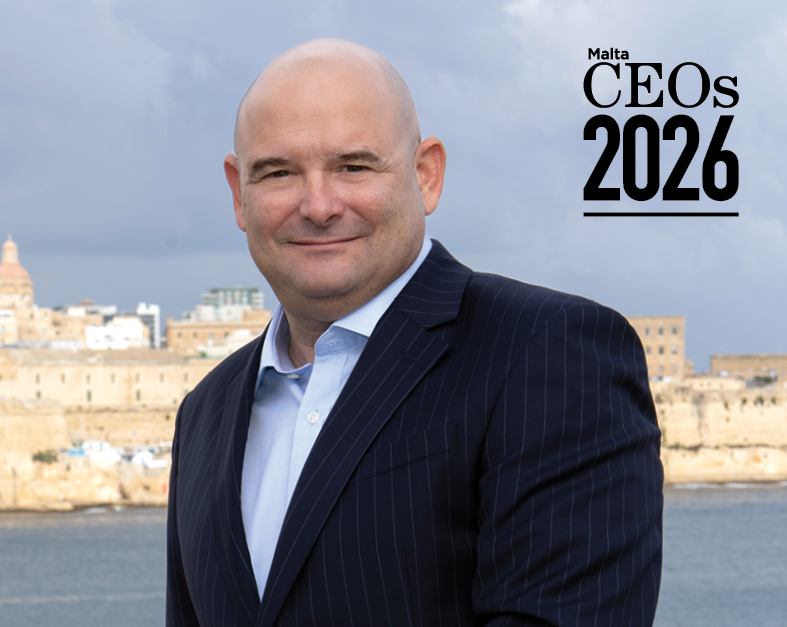
Since his appointment as CEO of Malta Enterprise in September 2024, George Gregory has drawn on decades of private-sector experience to lead Malta’s national economic development agency. After a milestone-rich first year, he is steering Malta Enterprise through digital transformation and startup ecosystem expansion, while attracting high-value economic activity that positions Malta competitively in line with Malta Vision 2050.
For Malta Enterprise CEO George Gregory, stepping into the role of leading the national economic development agency tapped into a defining trait of effective leadership: a thirst to learn. “In every role, you are on a learning trajectory,” he says, reflecting on his transition from Managing Partner of RSM Malta to CEO of Malta Enterprise in September 2024. “Moving from the private to the public sector is a learning process in itself – let alone stepping into an entity that plays such an important role in Malta’s economy.”
George brought extensive experience in professional services, with a career encompassing high-profile acquisitions, restructuring assignments and strategic advisory roles across commercial and tax matters. Still, adapting to the responsibility of leading an agency where every decision reverberates across the national economy demanded a wider lens. “The biggest adjustment was recognising the entire economic effect of decisions taken, rather than focusing on just one market,” he shares.
Known for his action-oriented leadership style, George quickly found common ground with his new team: “The Malta Enterprise team is driven and focused – so asking for action is second nature to them.” His approach to fostering innovation also draws on decades of leading professional teams, where listening was essential. “To encourage fresh ideas, you must create the right conditions for creative thinking,” he continues. “That means encouraging dialogue and participation and, above all, listening to everyone.”
This open-door mindset supports the mission of Malta’s national economic development agency. Operating under the Ministry for the Economy, Enterprise and Strategic Projects, Malta Enterprise serves as both catalyst and coordinator for the country’s ambition to stand at the forefront of innovation-driven growth. To achieve this, the agency attracts foreign direct investment, launches business support schemes, develops the startup ecosystem, and drives strategic economic initiatives.
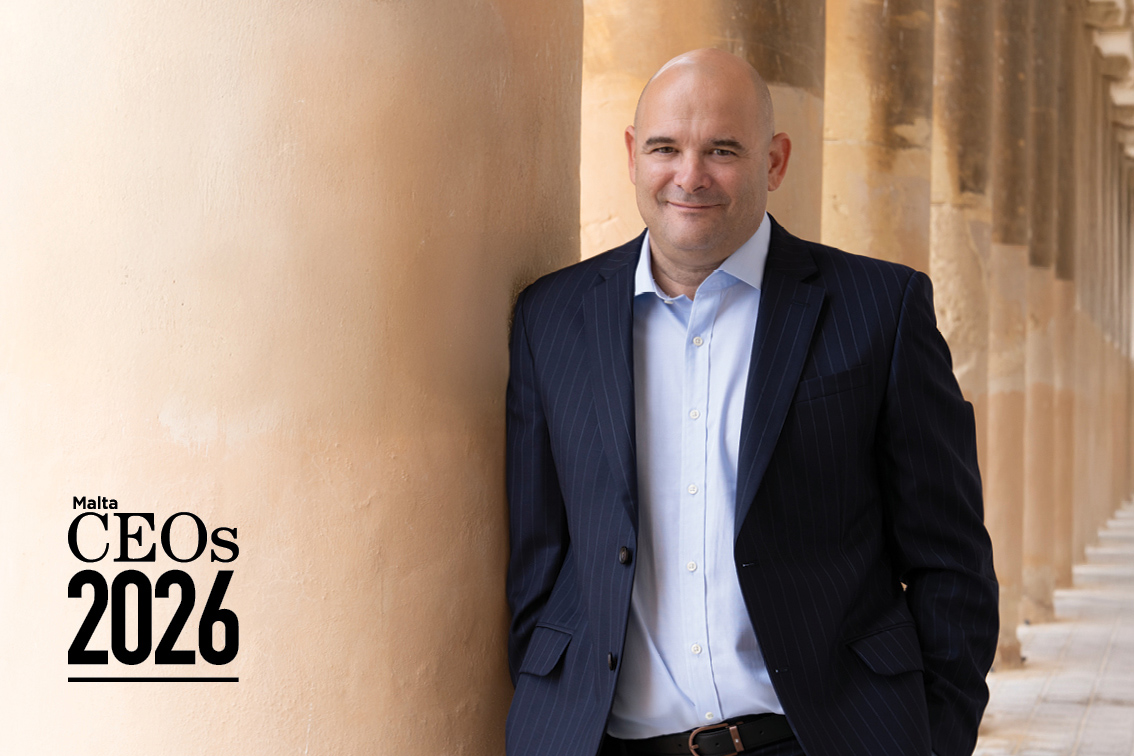
George’s first year delivered tangible results. “Malta Enterprise has seen strong growth across several important sectors,” he reports. “Our primary drivers have been strategic partnerships with local and international entrepreneurs, and a sharpened focus on nurturing high-potential startups.”
While he emphasises continuity, strategic shifts emerged through identifying where resources could deliver maximum impact. “We focused on aligning our efforts with areas showing the highest growth potential. That meant increased investment in digital transformation, strengthened support for startups in emerging technologies and enhanced international outreach to attract foreign direct investment,” George explains. “Collectively, these priorities ensure Malta Enterprise adapts to current market realities while anticipating future trends.”
One key decision stands out among the many that buoyed George’s inaugural year. “The recently launched Malta Semiconductor Competence Centre (MSCC) will play a vital role in further developing Malta’s already-strong ecosystem,” he underlines. A strategic initiative led by Malta Enterprise in collaboration with the University of Malta, MCAST, the Malta Digital Innovation Authority, and Silicon Catalyst EU Ltd, the MSCC brings together academia, research and industry to build a supportive ecosystem that reinforces skills and capabilities for startups.
George has also refined the agency’s startup support process. “We identify startups with high growth potential and provide tailored support,” he explains. “Over the past year, we have integrated more data-driven assessments, streamlined application processes and introduced targeted programmes aligned with the needs of Malta’s labour market. We want to ensure that every supported startup has the tools to generate sustainable, high-quality employment.”
In February 2025, Malta’s progress received external validation when the country retained fourth place in Europe for innovative startups in the Startup Nations Standard (SNS) Report. Malta maintained its perfect scores in talent attraction and digital transformation, yet George views the ranking as a milestone rather than a destination. “Reaching the top three requires continued investment in high-potential startups, stronger collaborations and an enhanced talent pipeline,” he asserts. “Beyond funding, we must support an ecosystem that encourages risk-taking and global competitiveness.”
The decision-making framework for supporting startups combines art and science. “We look for startups with strong growth potential, innovative solutions and scalable business models,” George explains. “We consider qualitative factors such as founder vision and team capabilities alongside quantitative metrics like projected job creation, revenue potential and market impact. Success is measured not just by financial performance but also by the quality of jobs created and the startup’s contribution to Malta’s innovation ecosystem.”
Talent remains both a strength and pressure point, mirroring realities George is familiar with from the private sector. “Attracting and retaining talent is always a challenge, as it is across Europe and the private sector,” he acknowledges. “These dynamics reinforce the need for us to remain agile and responsive in a rapidly evolving environment.”
Malta’s housing and infrastructure constraints further complicate talent attraction, and George’s team is determined to address these factors. “We are investing in workforce development programmes, strengthening our links with universities and creating more flexible and appealing career pathways,” he says. “We are also advocating for ecosystem-wide solutions to make Malta an even more attractive destination for professionals.”
Digital transformation extends beyond the entities Malta Enterprise supports to the agency itself – and to the standard it wants to set for the wider business landscape. “Digital transformation and innovation are central to our strategy,” explains George. “Over the past year, we have implemented tools to streamline processes, improve decision-making and enhance the client experience. Embracing these technologies not only makes Malta Enterprise more efficient, it also sets an example for the broader business community on the value of innovation in driving growth.”
In 2026 and beyond, George anticipates ongoing evolution in Malta’s economic landscape. “We expect continued growth in technology-driven sectors, increased international investment and greater integration of sustainable practices,” he shares.
With Malta Vision 2050 shaping Malta’s long-term development, sustainability and competitiveness, George recognises the pivotal role Malta Enterprise plays in reaching national targets for sustainable growth, resilience and quality of life. “Malta Enterprise is enhancing our support for innovative startups, investing in workforce development and strengthening our international partnerships,” he reveals. “Our goal is to ensure Malta remains agile, competitive and ready to seize emerging opportunities, in line with Malta Vision 2050 and the strategic pillars that will guide the country’s focus.”
He also underscores Malta’s unique strengths on the global stage. “Malta’s competitive advantage lies in its strategic location, skilled and multilingual workforce, and flexible business environment,” he notes. “Our ecosystem benefits from strong collaboration between the Government, academia and the private sector.”
At the same time, Malta’s size presents both challenges and advantages. “Other jurisdictions may have more space for production sites, which is challenging for Malta given our size. Yet our size is also an advantage, allowing us to remain highly agile and responsive.”
As George prepares Malta Enterprise for its next chapter, he hopes the business community will lean into these national advantages with optimism and collaboration. “Malta’s business community has immense potential,” he adds. “By embracing innovation, sustainability and international partnerships, we can collectively drive economic growth and create meaningful opportunities. Together, we can ensure Malta remains competitive and resilient in a fast-changing global landscape.”
This article is part of the serialisation of 50 interviews featured in MaltaCEOs 2026 – the sister brand to MaltaCEOs.mt and an annual high-end publication bringing together some of the country’s most influential business leaders.
‘With a well-articulated purpose, everything else falls into place’ – Albert Alsina
Investors are not only looking for proven performance, but also ‘good returns’ – returns generated the right way.
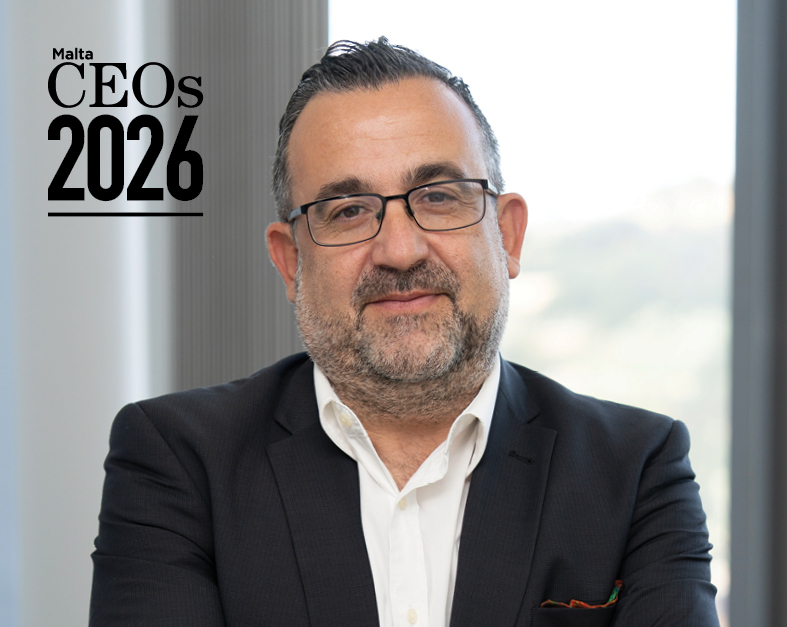
‘While growth is important, integration is critical’ – KDM Group CEO Edward Chetcuti
The group is consolidating its various businesses by building on synergies and standardising processes across verticals.
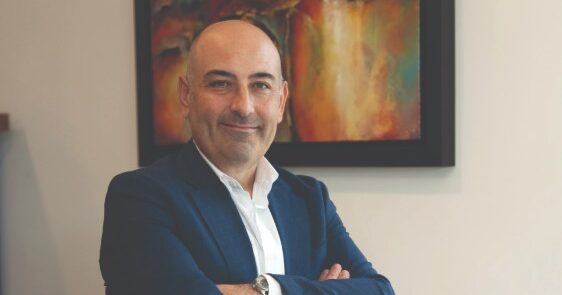
Malcolm Camilleri: ‘Malta brings a strong economic base to 2026, tempered by structural challenges’
'The year ahead offers a landscape rich in opportunity.'
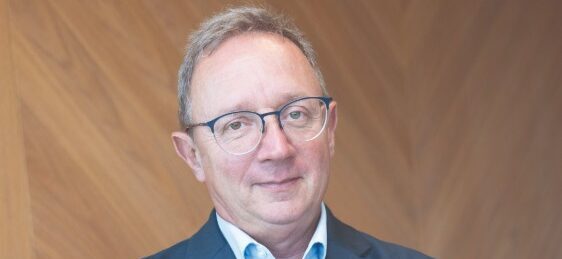
AX Group’s Michael Warrington: ‘The economy is doing well… yet there are limitations and challenges’
Still, 'my outlook is positive for 2026 and beyond.'
