


“A futurist engages in active noticing,” declares Susan Cox-Smith, Partner and Executive Producer at Changeist, a research, advisory, education and communication driving force for the future. “This means that one consumes other people’s perceptions and pays attention to shifts and changes in the wider world that may have implications for one’s enterprise. Curiosity is key.”
Susan asserts that the futurist approach should never be the job of just one person within an organisation. Instead, to implement successful futureproofing, a company should provide training in the tools that support futures-oriented thinking for employees and stakeholders.

“Futurist thinking benefits from having several people on board to consider the impacts of every decision, both positive and negative. And don’t be afraid to address failure as a possibility. Doing so will strengthen your business plan more effectively than ignoring situations in which failure might occur,” she advises.
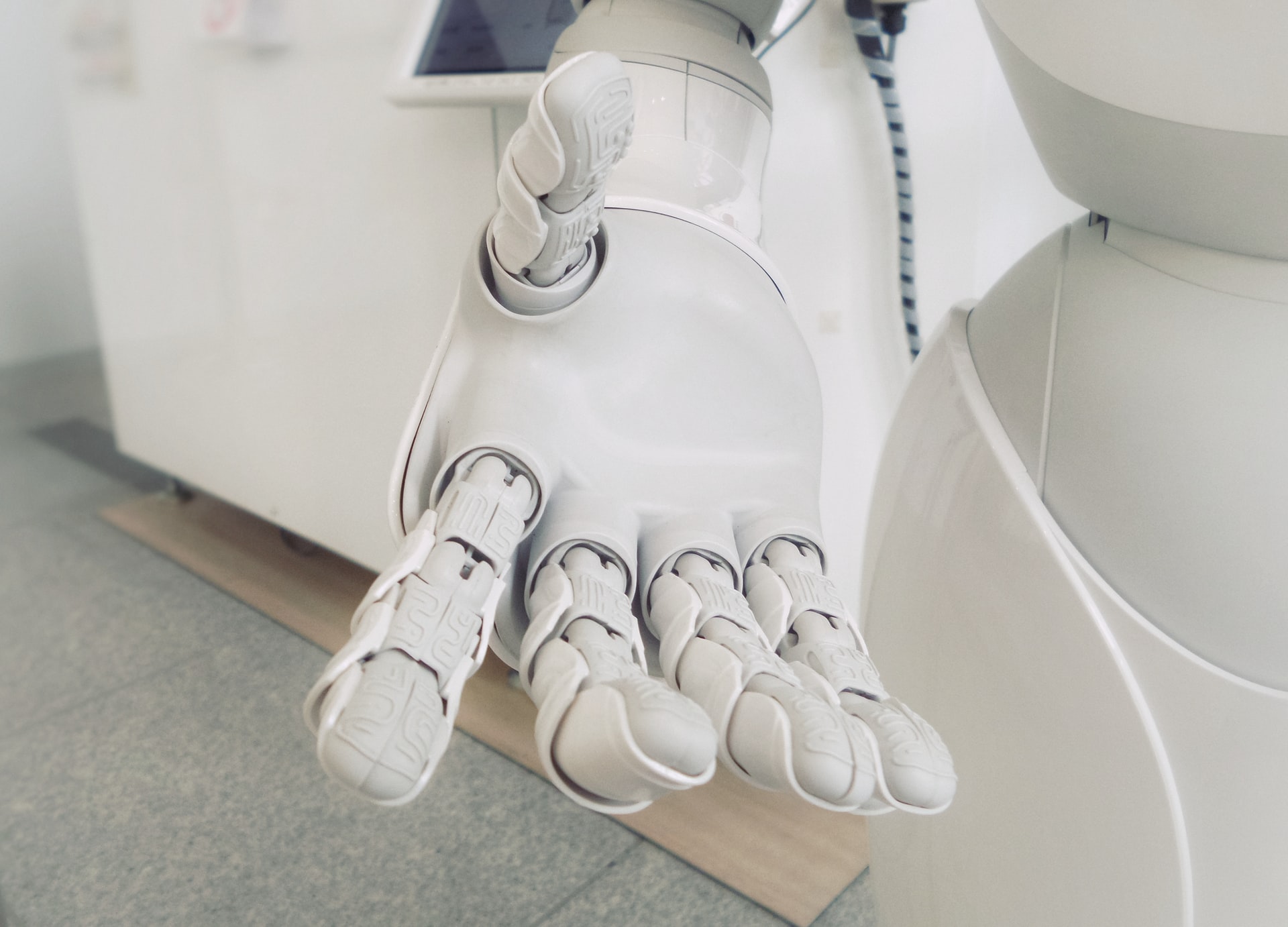
“Thinking about technology is paramount. Robots, machine-learning and AI have been taking over jobs for decades, and this will not abate. In the next phase, though, AI looks capable of replacing executive-level and white-collar positions, like lawyers, surgeons and financial managers. As yet, these roles still don’t anticipate that a well-trained AI could be more accurate or effective at their job than they are.”
Whatever the future looks like, Susan believes the world will continue to have “unevenly distributed” futures. “Business and tech trends will probably not align in a global fashion. However, this is not to say that companies that embrace low-tech, regionally based approaches will not be successful or profitable,” she claims.
“Placing ‘bets’ on which trends are most relevant to a country, region or business is a much better way to ensure success than trying to play catch-up with more technologically advanced areas or corporations. Remember: the unthinkable is still possible, so plan for those low probability/high impact shifts – like a pandemic – as it will make navigating the future a more resilient exercise.”
Wondering how AI stands to affect Malta’s business leaders? Read what EBO.ai CEO Gege Gatt has to say.

Great leaders ask great questions: The key to innovation, growth, and stronger teams
By embracing the power of asking good questions, leaders don’t just guide their teams - they inspire them to think, ...

Give back to the community: 5 ways business leaders can use their influence to be more philanthropic
Given social media’s rise in recent years, business leaders’ roles as instigators for social change have never been greater.

What CEOs can learn from Ferrari and a children’s hospital
An unusual combination that makes for great insight.

3 strategies to help your team manage stress and stay productive
As a leader, you play a crucial role in creating a workplace culture that prioritises both productivity and employee well-being.
