


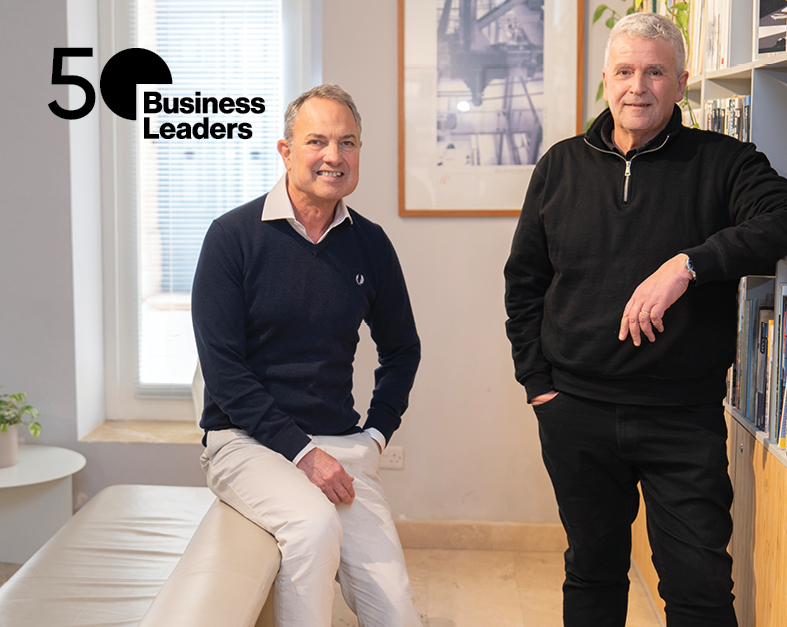
Tomorrow, on Saturday March 28th, the architecture firm, AP Valletta, celebrates its 35th year anniversary – a date that coincides with the laying of Valletta’s foundation stone in 1566.
“Francesco Laparelli, the Italian architect who was commissioned to design Valletta, famously said, ‘Give me time and I will give you life.’ Arriving in 1566 after the Great Siege, he used this phrase to assure the Knights of St John that he could transform the barren Sciberras Peninsula into a vibrant, fortified city,” says AP founding partner, Konrad Buhagiar.
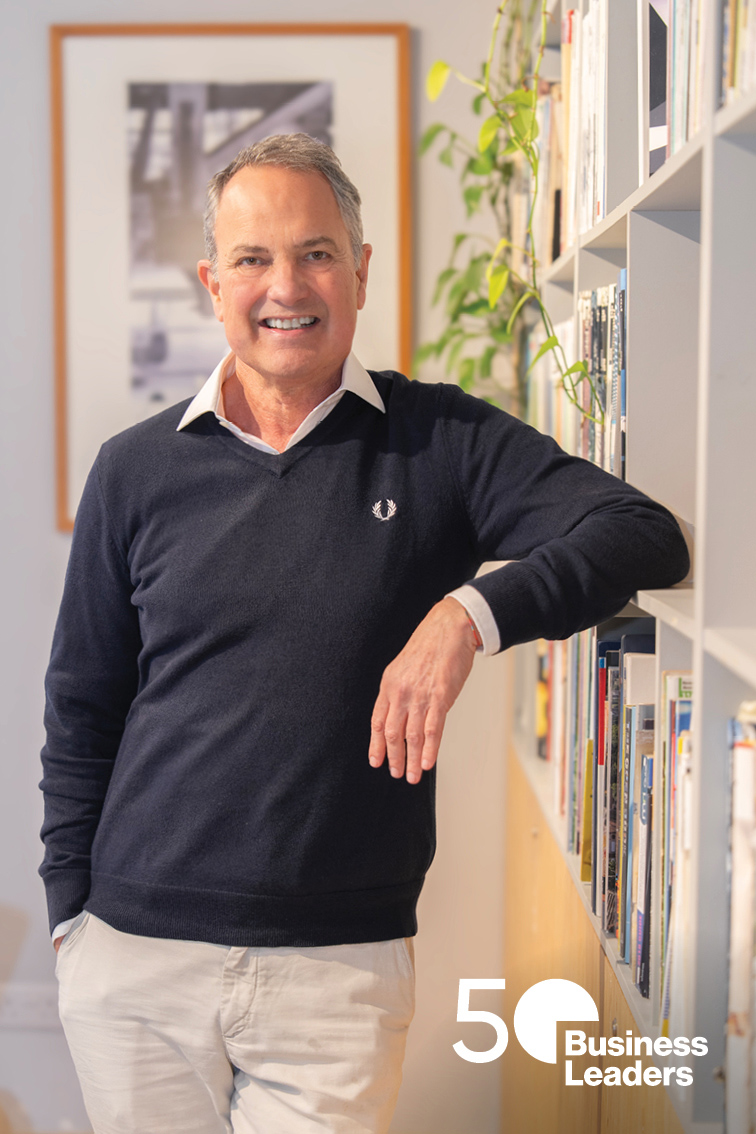
In his view, and that of his co-founding partner, David Felice, “the coincidence of the date of the foundation of AP Valletta and that of Valletta gives added value to that promise which Laparelli made almost five hundred years ago. Time has been the greatest luxury AP Valletta has been offered to achieve its ambitions,” Mr Buhagiar smiles.
Indeed, since 1991, the architecture firm has grown from a small studio into an interdisciplinary and multinational firm, with its success catalysed by the company’s goal of acting as an incubator for heritage regeneration in the capital city. This is an endeavour that has been rooted in preserving and reshaping the history and urban landscape of Valletta for future generations.
“We are all responsible for reshaping a city, even in a modest and unconscious way. An architectural firm has, of course, a more visible and onerous role. Understanding the past and working with it, as a form of blueprint that shapes the future, has been a fundamental method that has guaranteed the success of many of our projects,” continues Mr Felice.
This work is rooted in the hope that those “who come after us will do the same. Like a quarry that gives up its own resources to provide for the creation of a richer and fuller landscape, the city gives of itself as a gift for generations to come. We, as architects, are agents for those gifts,” Mr Felice highlights.
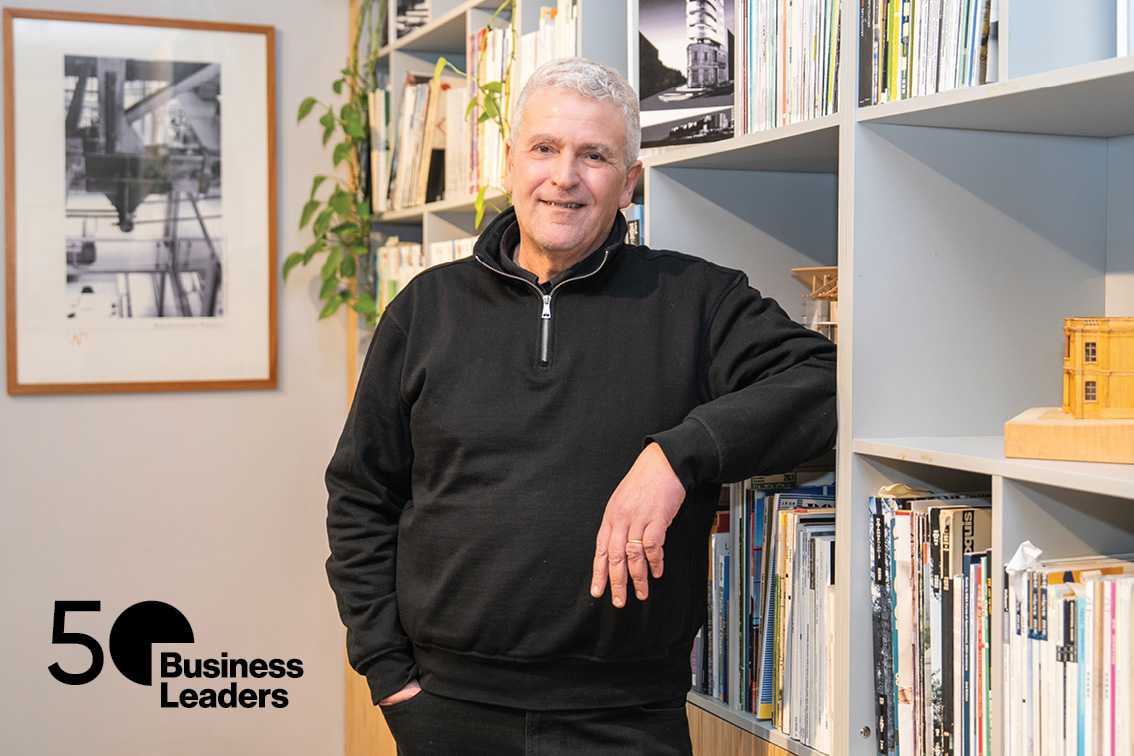
Guiding this perspective, the firm’s manifesto underscores seven core principles that shapes its operations, business choices and approaches: a vocation to meaningful spaces; a continuous approach to investment; self-initiative; a rooted pragmatism; an approach that embraces different ideas; as well as a dedication to rigour; and the centring of future heritage.
And, as a result of AP Valletta’s commitment to sustainable values, as well as its leadership in the sector, the firm has been entrusted with crucial projects in and around the city. These include the restoration of St. Paul’s Pro-Cathedral in 2017; the reimagining of Valletta City Gate, in collaboration with the Renzo Piano Building Workshop; the redesign of the Barrakka Lift; and the landscaping and masterplan conception of Dock 1 in Cospicua.
“AP Valletta has had the good fortune of working on extremely precious and prestigious projects both from a programmatic and heritage point of view,” Mr Buhagiar notes. All these projects, the AP founder continues, “stem from a great relationship with the past but also from our engagement, with and imagining of, the mysterious future. One can never underestimate the lessons that can be learnt from working on a historic fabric that has survived over the years, and that has time-honoured messages engraved on its stones.”
Elaborating, this communication with the past, Mr Felice continues, not only documents “the lives of those who came before us but also give clues as to successful solutions that, if accepted and modified as necessary, could guarantee the harmonious co-existence between old and new.”
It is this approach towards the city’s past that has enabled the firm “to grow, often being the first to take decisions that challenged the status quo of architecture in Malta. In this way, our vision has evolved over time as we learnt new skills and applied them to our work,” Mr Felice states. Notably, the projects the firm has embarked on over the years have also attempted to balance tradition with more innovative techniques.
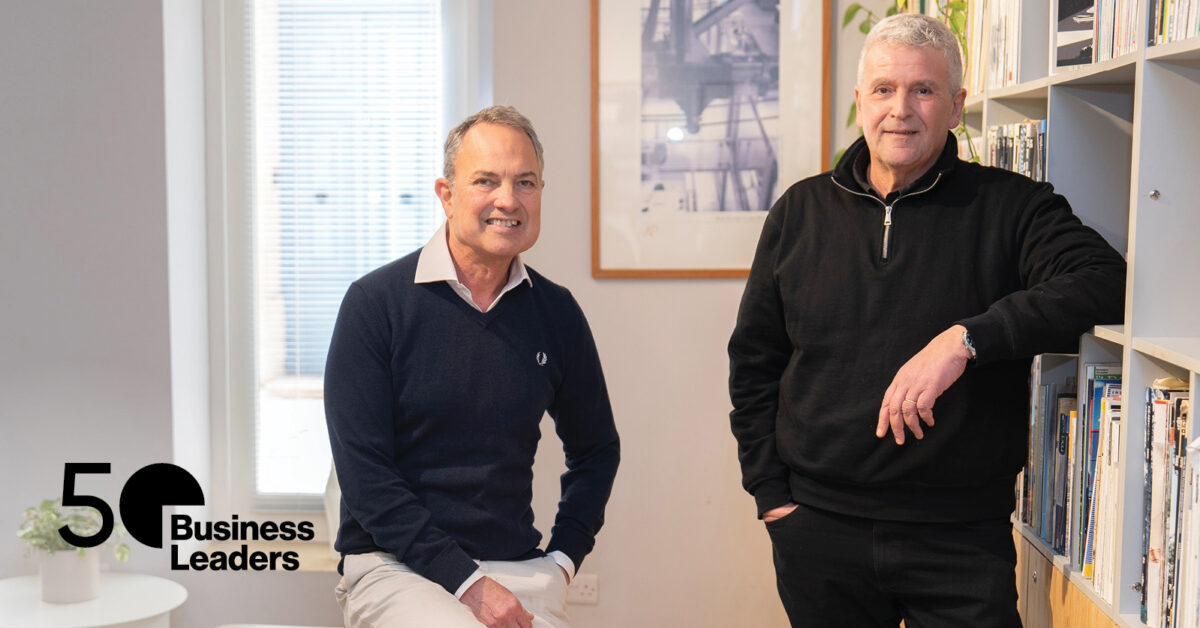
Nonetheless, Mr Felice insists that “sometimes the best way to reconfigure a space or a building is to temporarily put away innovative techniques and restoration methods and to tease out the invisible qualities of the site or the building in question: proportion, symmetry, balance of solid and void, texture, materiality, composition of light and shade. The restoration method and choice of contemporary materials and technologies come later. Only in this way is balance achieved,” he explains.
Such decisions are “often the product of sound judgement that comes from the combination of knowledge and experience, or, as Le Corbusier described it, from rigorous and patient research which is life-long,” Mr Buhagiar adds.
To this end, the firm invests heavily in research, harnessing its potentialities to solidify the business’ reputation in the field. “In one of his writings, Lamartine, the French author and statesman talks about the importance of action tempered by thought. Research is a way to ensure that no stone is left unturned when making choices of design or construction methodology. It keeps the architectural work fresh, current and still relevant in times that are constantly evolving and changing,” Mr Buhagiar says.
This is not to say that AP Valletta has not faced its challenges over the decades. “Remaining true to oneself in the face of an ever-changing economic climate and a cultural and social environment that is in constant flux is hard. Our architectural output is the product of this challenge,” Mr Felice says. Yet, the AP founder continues, “as much as the scale of the firm and its scope has changed over the years, we have remained faithful to the principles that had motivated us so many years ago: integrity, honesty, sustainability and continuity.”
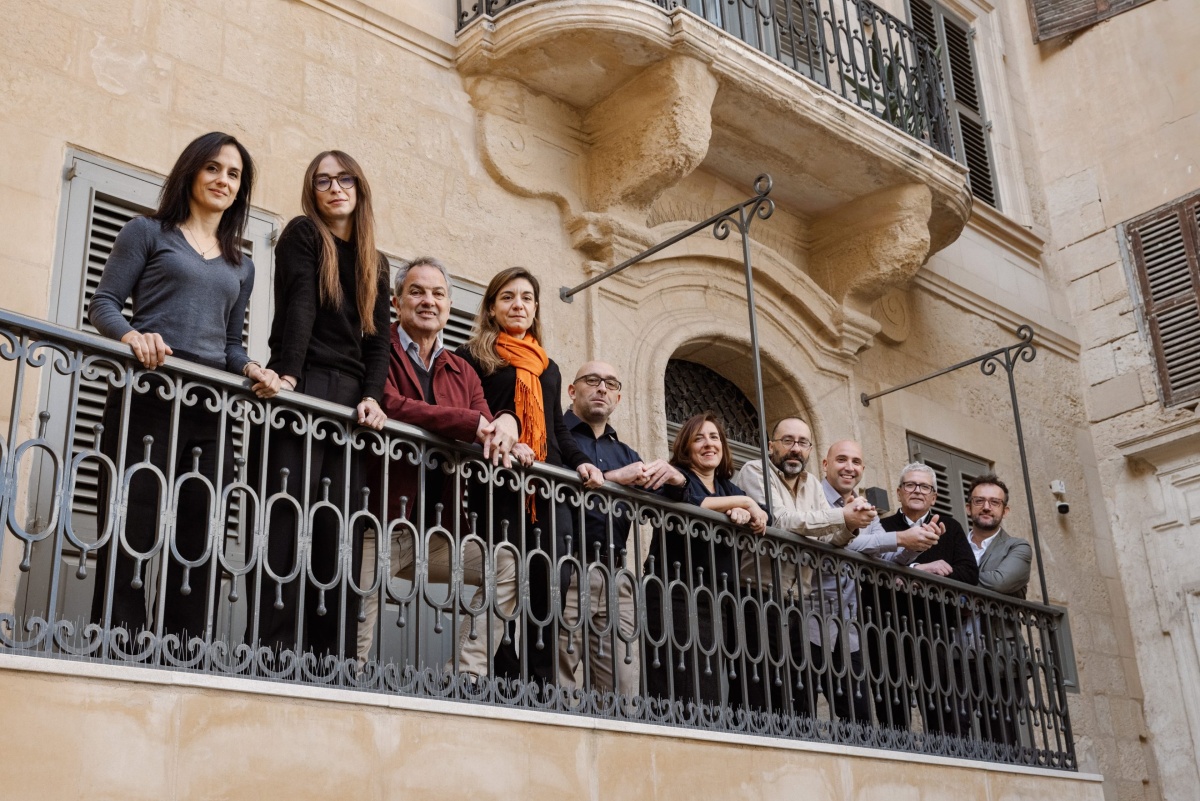
This commitment has allowed the architecture firm to reap its rewards, with the team having been granted over 75 prestigious awards from colleagues and other stakeholders within the field. Last year, AP Valletta received the Highest Commendation in the Completed Buildings (Houses and Villas) category at the World Architecture Festival 2025, in Miami, for its work on the palazzino Naxxar House.
Moreover, in 2024, the firm received two Special Commendations at the Malta Architecture And Spatial Planning (MASP) Awards for its work at the GO Technical Centre, and, once again for Naxxar House. Other awards have also been granted by AR Future Projects Awards, and Din L-Art Helwa, amongst other local and international bodies.
“AP Valletta’s international reputation has grown slowly and gradually. Its body of work has acquired a consistent thread that has become recognisable and appreciated by both a foreign and local audience,” Mr Felice explains in reference to such commendation.
However, he notes, “if we had to identify a particular moment that gave us the confidence that we are moving in the right direction, it was the first time one of our completed projects was featured in an international magazine. That was the mobile glazed roof over the courtyard of the annex to the Manoel Theatre, which was published in the Architecture Review more than 30 years ago.”
Looking ahead, the team are keen to continue sculpting the firm as “a place-maker, a container of meaning, a catalyst for the creation of kinship, a fabricator of myth and a producer of narratives,” as described in its company profile.
More concretely, the AP founders insist that this will be founded on its core principles, with energy and investment also being planned for the AP Future Heritage Foundation which is set to be launched over the next few months. In this regard, Mr Felice says the foundation will “contribute to social and urban transformation by applying design thinking to the exploration of the future, building on the legacy of a 35-year-old body of work.”
Furthermore, “the ‘patient research’ will continue,” Mr Buhagiar underscores, “for this is the essence of our passion.” In this way, “AP Valletta will continue to look forward with a kind of immeasurable curiosity to discover new ways of responding to what will come next on every front, whether social, cultural and technological,” Mr Buhagiar concludes.
This interview forms part of the 50 Business Leaders project. The new online serialisation on MaltaCEOs.mt will feature 50 distinguished business leaders, CEOs, and emerging business minds to create debate and encourage business leaders to share their journey with our readers.
Want to know more? Please drop us a line at info@maltaceos.mt

From oversight to foresight: Internal auditors set to bring more value to organisations
IIA Malta Chairperson Giancarlo Millo shares his vision for an Internal Audit profession that moves away from the traditional box-ticking ...
The leadership philosophy taking Saint James Hospital into the future
Saint James Hospital’s Jean Claude Muscat, Andrei Camenzuli and Dr Adrian Vella underscore the entity’s structured approach to servicing the ...
‘Structure, creativity and accountability are the foundation of a successful organisation’ – Veronique Dalli
The founder of Dalli Advocates discusses the importance of adaptability in Malta’s evolving legal landscape.
KDM Group embarks on its next era of leadership
The Group’s succession journey has set it on course to transition from the first generation of company leadership to the ...
