


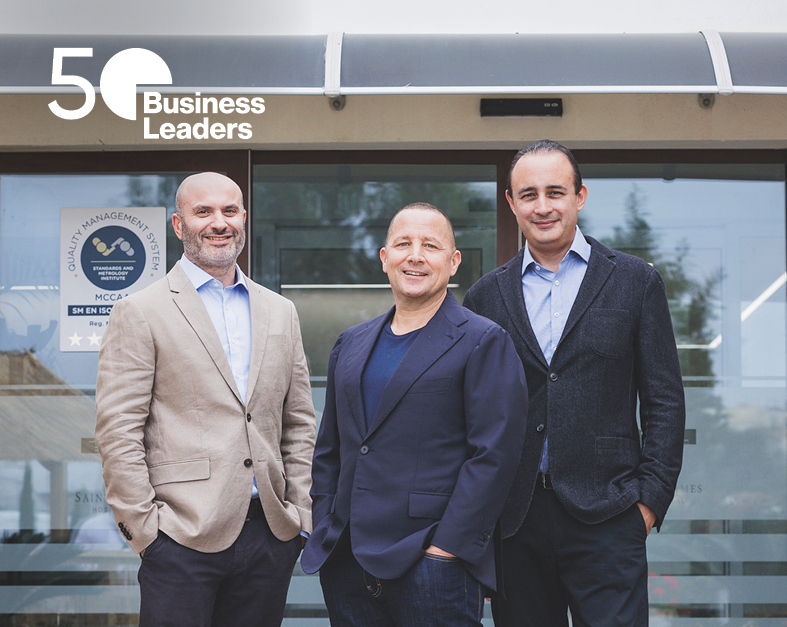
Since its first medical centre opened in 1986, Saint James Hospital Group has grown to become a pivotal mainstay of Malta’s healthcare system, with more than 600,000 patients being treated at one of its clinics, departments or wards every year.
Today, the Group employs just over 500 staff, excluding the 300 consultants and surgeons who service and care for the patients, 20 of whom are full-time and completely dedicated to the clinical operations of Saint James.
Moreover, the Group’s turnover has recently doubled to €50 million, and the firm is also launching an ambitious investment program that includes funding for robotic surgery, an expansion of its Żejtun Hospital, as well as new equipment for eye laser procedures – the Zeiss femtosecond laser system with which the surgery can be performed in just nine seconds.
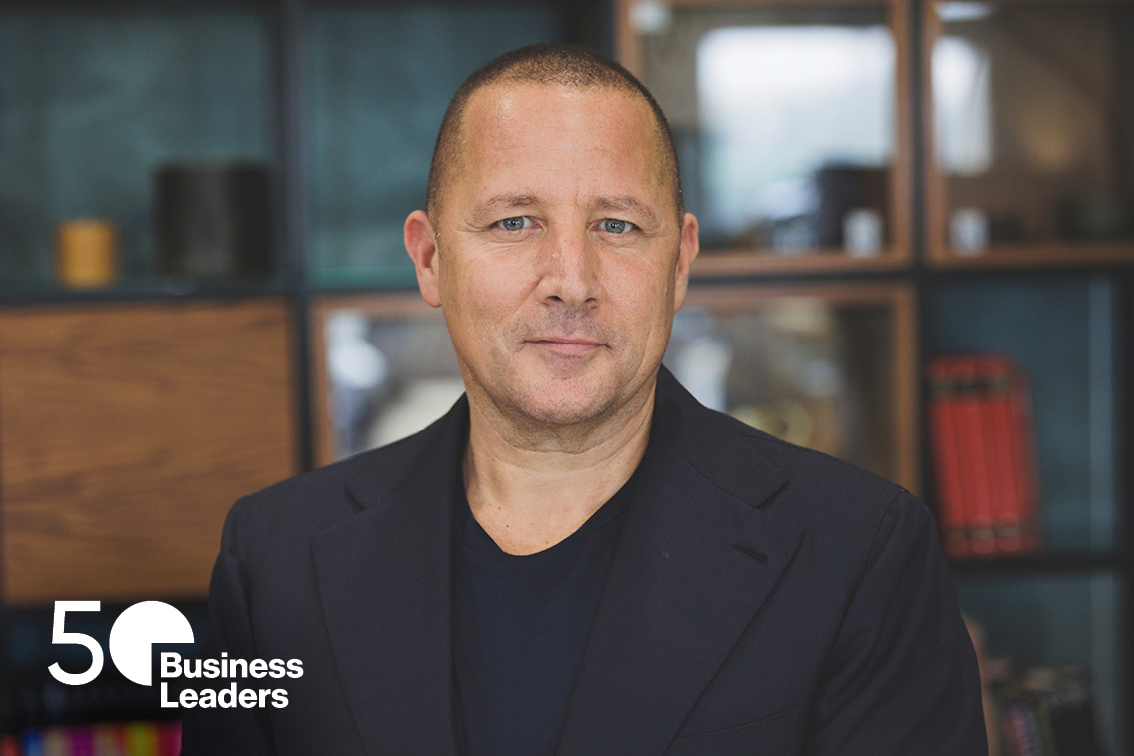
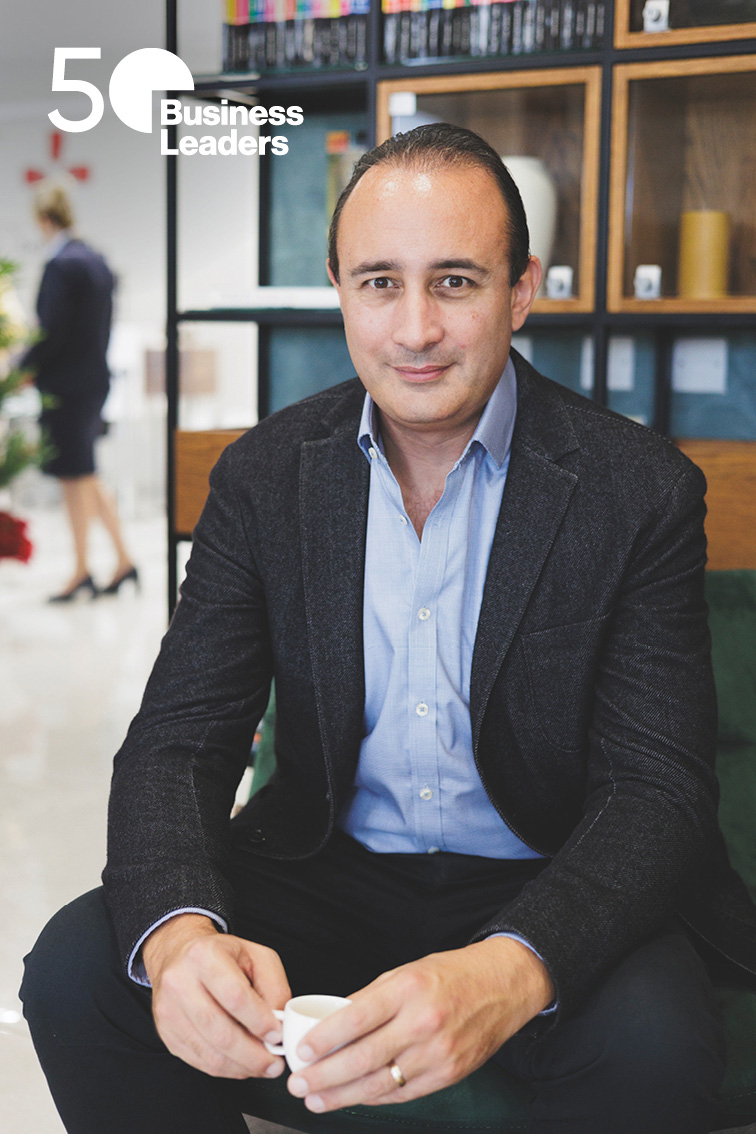
However, underpinning such growth is the entity’s governance and management structure which, its CEO Jean Claude Muscat, says, is unique on the island. “We are at the forefront of the private healthcare market in Malta, and our leadership framework plays a critical role in being able to achieve this. This results in the provision of an unparalleled quality of care and safety for all our patients,” he says.
As CEO, Mr Muscat takes the lead on the overall financial strategy of the hospital, setting its future vision as well as ensuring the C-Suite and clinical management are aligned to fulfilling these goals. “My role as the head of the company is to always ensure that we possess the latest technology and medical expertise to provide the highest possible quality care to our patients. This is paramount,” he says.
Mr Muscat is, indeed, well-positioned to understand the necessities, nuances and complexities of running a hospital: he started working for the Group when he was just 19 years old, employed in a junior role. Over the past 35 years, his tenacity saw him climb his way up to CEO. Yet, nowadays, Mr Muscat is not concerned with looking back but, rather, his focus is on the financial health and sustainability of the Group.
“The financial angle of my role is critical. We are a company that invests aggressively in medical technology. Since we compete with a free healthcare system, the only way for us to stay ahead of the game is to provide the latest software, hardware and training to our medical staff. And to support these initiatives, we also have a dynamic team that both helps steer the ship and implements new approaches,” he explains.
Crucially, Mr Muscat is directly supported in his work by both the Group’s COO, Andrei Camenzuli – who was appointed four years ago after more than 18 years with Saint James Hospital – and its Medical Director, Dr Adrian Vella, a specialist anaesthesiologist by training.
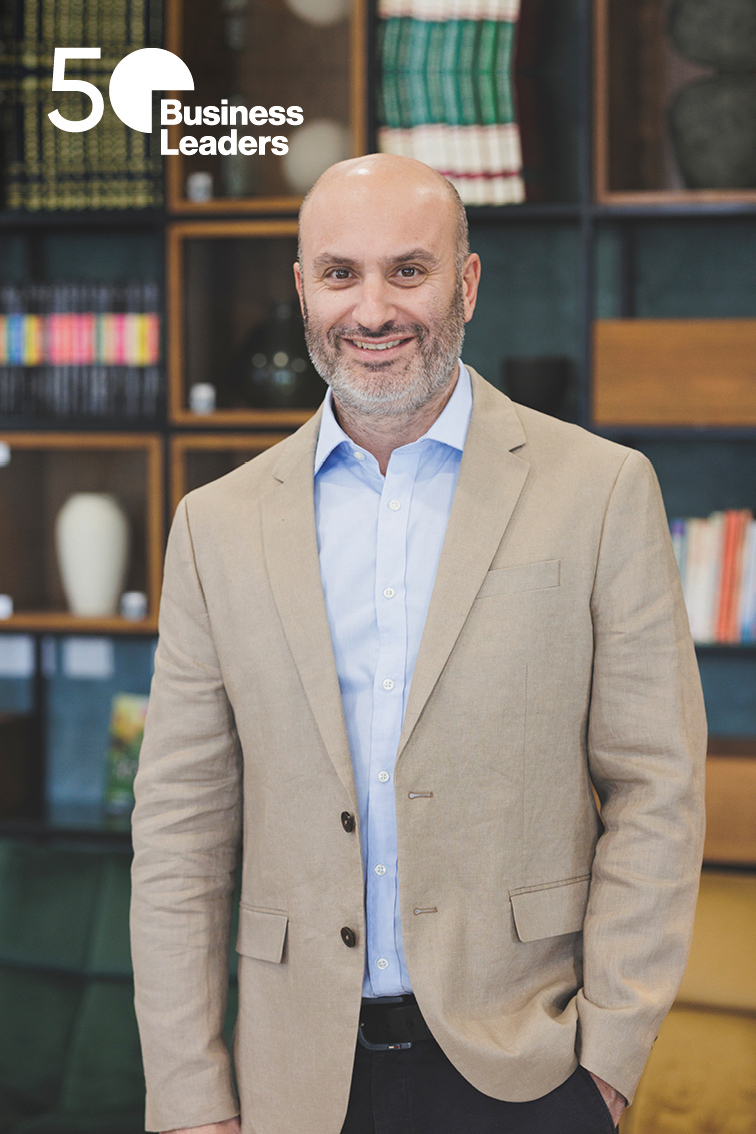
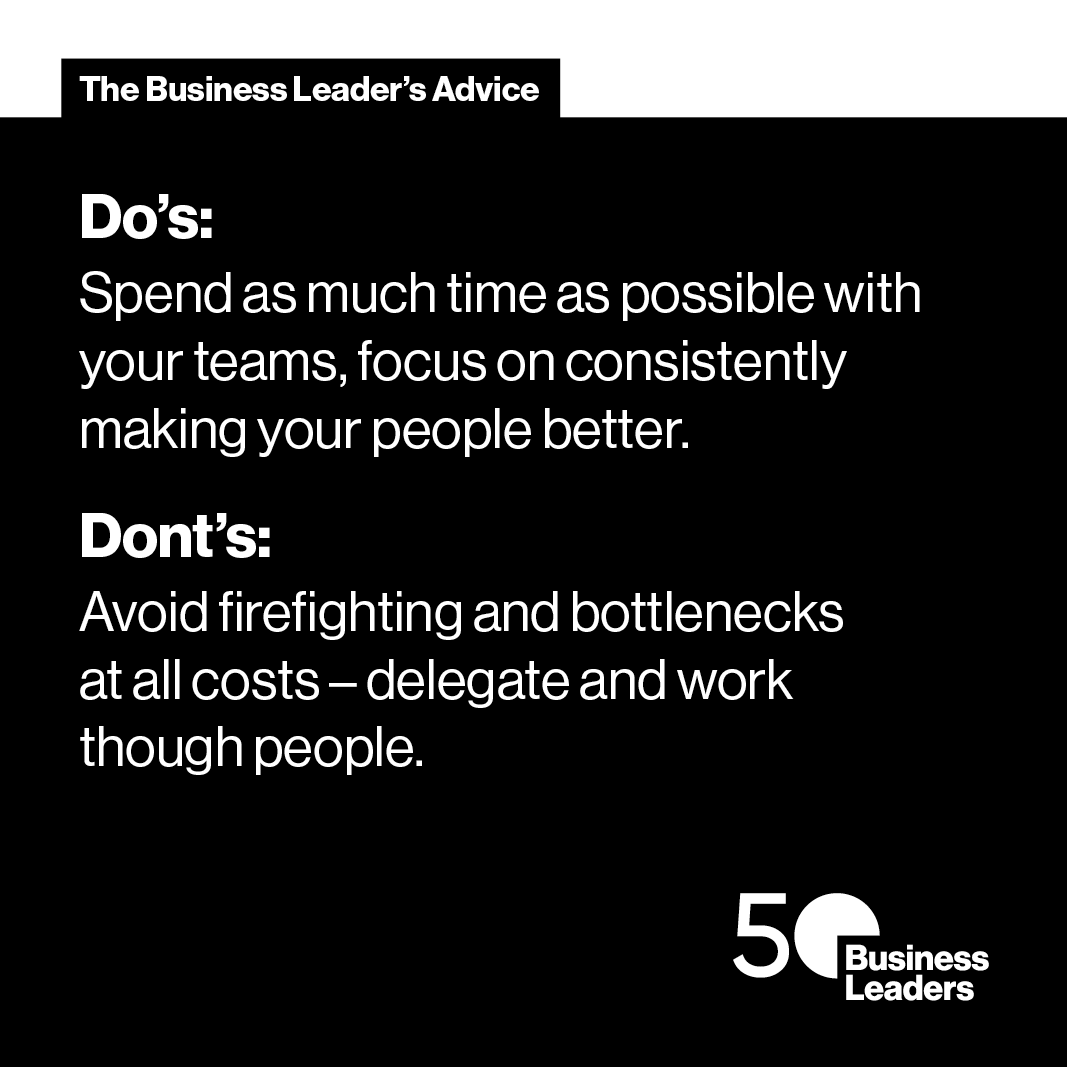
Mr Camenzuli, an ophthalmology nurse by profession, works closely with the CEO to oversee the day-to-day running of the Group’s operations. “We work together, following the same strategy,” he says, adding that his role also sees him liaising with senior management and staff to ensure the systems are running smoothly, to design new processes as well as to bolster efficiency. The task involves looking ahead and investing time in getting to the core of any issue which arises. “We do not work in fire-fighting mode – we try to get to the root of any problem to make sure we’re building the future on solid foundations,” he says.
This requires robust logistics in the management of the Group’s more than 500 staff. “This is not a one-man-show. We have a Head of Clinical who oversees the nurses, wards and emergency. We have a solid governance framework which also consists of a Medical Director – Dr Vella – as well as a Medical Committee, together with heads of department within each section of the hospital. We’ve also identified approximately 60 promising leaders from amongst our staff to help us implement our next initiatives – there are people in whom we believe, and whom we encourage to voice their perspectives and approaches,” Mr Camenzuli elaborates.
Nonetheless, staff recruitment and retention within the health sector have always been and remains challenging. “There are difficulties in recruitment worldwide. But we offer good financial packages – which are aligned with market expectations – and we provide opportunities for growth. We always go the extra mile to make our employees feel supported, and to give them the tools to become the best version of themselves so that they can be successful in growing with the company,” says the COO, whose career has also seen him develop along a similar route, as he shifted from clinical work to management.
In the meantime, Dr Vella is responsible for the clinical processes at Saint James Hospital. “I am the person who bridges between our clinicians, specialists, and the administrative management. I see my role as keeping the focus on patient care and to ensure that whatever new initiative we introduce, is there to serve, and is beneficial in the long-term. Indeed, if there is such a proposal, I would conduct the research and ask advice from fellow doctors to make sure that this would improve the quality of our work and, ultimately, our reputation,” Dr Vella explains, adding that he also oversees the work of an ever-growing team of dedicated full-time specialist doctors.
Of vital importance, Dr Vella is driven to retaining the human element within all patient-doctor interactions. “Patients want more time with their specialist or their nurse. They want care and that’s why they come here. So, even when we introduce a new technology – for instance, as we begin to incorporate more AI in our systems and diagnoses – we are careful not to rely too much on the non-human element, but, instead, use the tools to help improve outcomes. This also means safeguarding our patient data and ensuring robust security measures. Central to this is our Ethics Committee which reviews any of our new initiatives to determine whether these are ultimately aligned with our values and, if so, then these are adopted hospital wide. In other words, the approach is policy-driven,” he says.
Despite its cautious approach, the Group has not shirked away from such initiatives. Notably, the hospital now has a new Data and Digital Innovation Unit which assesses the Group’s digital processes, making them “more efficient to support our staff and avoid burnout”, Mr Camenzuli says.
Moreover, its new investments in Żejtun will see the premises triple in size, as the emergency department is enlarged and a new eye hospital established. “We have also invested in the most advanced robotic system for our operating theatres, allowing for precision surgery, faster recoveries and less complications. And, we have replaced all our endoscopy instruments with AI scopes that can improve diagnostic accuracy by 20 per cent. AI tools are also being used to help doctors spend less time on reporting and more time with the patients,” the CEO continues.
Looking ahead, the team is intent on continuing to deliver on the Group’s reputation for quality healthcare. “Such a reputation has taken us years to build and, today, we are often the first port of call,” Dr Vella says. Mr Muscat agrees, adding that this success boils down to the Group’s commitment to the patient: “Our one core guiding principle is patient safety – this is at the heart of everything we do, and every decision we take.”
This interview forms part of the 50 Business Leaders project. The new online serialisation on MaltaCEOs.mt will feature 50 distinguished business leaders, CEOs, and emerging business minds to create debate and encourage business leaders to share their journey with our readers.
Want to know more? Please drop us a line at info@maltaceos.mt


Jamie Galea appointed Director of Account Management at Mastercard
Prior to this post, he worked in business development
David Valenzia appointed to Salvo Grima Group’s board of directors
David Valenzia has considerable experience in assisting with business development projects and corporate restructuring.
Nathan Farrugia completes 2,000km East Africa cycling challenge in aid of renal patients
From Mombasa, Kenya, to Kigali, Rwanda.
WATCH: Service charge must go to employees, not help cover costs, catering association President says
If a service charge is included, it should be written clearly on the menu, she says.
