


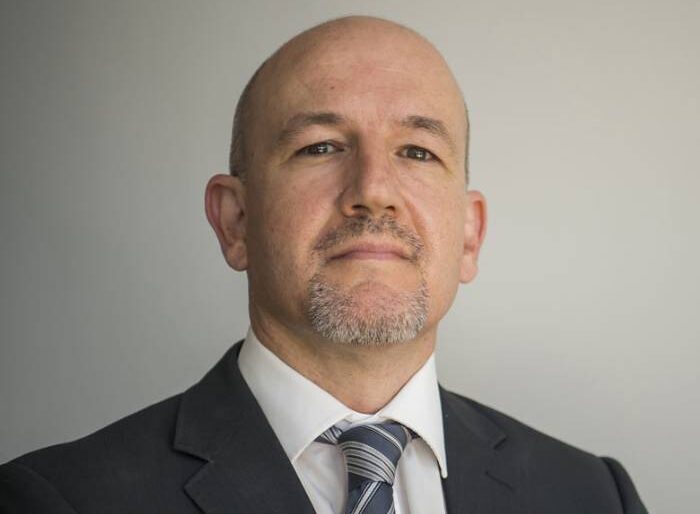
Malta needs to rethink the type of economic growth it pursues if it wants to remain competitive while preserving quality of life, according to scientist and pharmaceutical industry leader Dino Mangion.
In a LinkedIn post, Dr Mangion argued that Malta's traditional growth model, which has relied heavily on population increases, construction activity and labour-intensive sectors, may no longer be sustainable given the country's physical and demographic limitations.
"More people, more construction and more low-margin activity cannot remain the principal drivers of growth indefinitely," he wrote, warning that the resulting pressure on infrastructure, housing, public services and residents' quality of life is already evident.
Instead, Dr Mangion believes Malta should focus more heavily on supporting start-ups and scale-ups that create significant economic value without requiring a corresponding increase in land use, imported labour or infrastructure.
According to him, the country's future growth should be driven by ventures built around knowledge, research, innovation, intellectual property, digital capabilities and exports.
"Malta does not merely need more business activity. It needs the right kind of business activity," he said.
Dr Mangion's comments come amid ongoing discussions about Malta's long-term economic model and how the country can continue growing while addressing concerns related to overdevelopment, traffic congestion, housing affordability and environmental sustainability.
He noted that several public entities have already begun laying the groundwork for this transition. Initiatives led by organisations including Malta Enterprise, Xjenza Malta, Fondi.eu and Malta Venture Capital are helping entrepreneurs move from research and development to commercialisation, investment and international expansion.
However, he stressed that these initiatives should not be viewed as isolated funding schemes but rather as part of a coordinated national strategy focused on fostering high-value economic activity.
Among the measures he believes should receive greater attention when assessing economic value are value added per employee, investment in research and innovation, intellectual property creation, export potential, productivity and technological capability.
Dr Mangion argued that traditional indicators such as employee headcount, physical investment and the size of a company's local footprint should no longer dominate discussions about economic contribution.
"In a country with Malta's physical and demographic constraints, better growth matters more than simply bigger growth," he said.


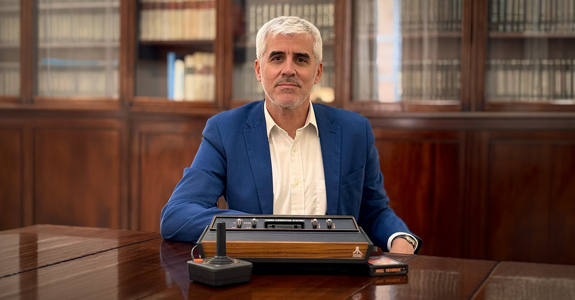
Fenech & Fenech Advocates appoints Antonio Ghio as Chief Innovation and Technology Officer
Antonio Ghio is an IT Law expert and has been with the firm for the past 25 years.
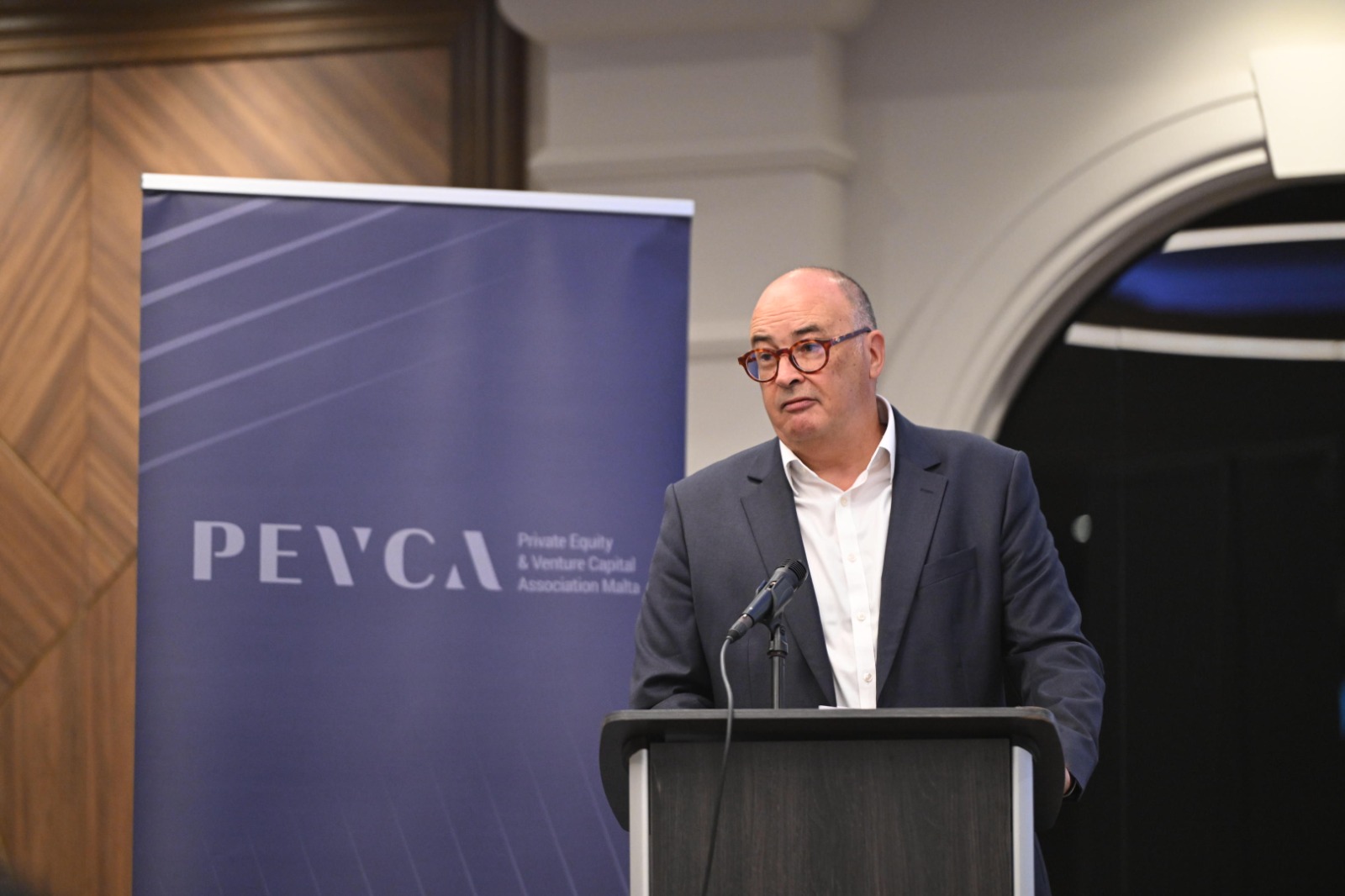
‘Considerable potential’ for Malta to develop as a private equity and venture capital hub – PEVCA head
He said that private equity and venture capital play a vital role in modern, innovation-driven economies.
Nancy Pavlaki appointed Chief Financial Officer at Ramla Bay Resort
Prior to taking up the post, she worked in a number of financial positions in the hospitality industry.
Kyle Antoni Pace Cumbo appointed Chief Commercial Officer at Iniala
'I’m incredibly excited about what comes next,' he said.
