



After building a 40-plus enterprise customer base in India, byteEDGE began exploring international markets without taking on significant upfront costs.
“We had to validate first through RTM partnerships,” founder Akash Gupt wrote in a LinkedIn post, describing the approach as “frugal innovation”.
That strategy has since taken the Enterprise AI company into Singapore, Korea, Vietnam, Indonesia and Cambodia, while an existing global customer helped open doors in Egypt and the UAE. The company has also established a mainland entity in Dubai and developed system-integrator partnerships.
Malta has played an important role in that expansion. Following a three-month residential accelerator with SuperCharger Ventures Malta, at the behest of Malta Enterprise, byteEDGE received €750,000 in non-dilutive financing to support its European expansion.
Mr Gupt says the experience also changed his view of accelerators.
“Coming from long careers in large multinational organisations, accelerators were a new concept for us,” he wrote. “For the first couple of years, we completely overlooked them.”
“Our approach is to invest only where the market gives us enough signals to justify it, and then selectively build local sales engines,” Mr Gupt said.
His advice to other founders is equally direct: “Don’t enter a market simply because the opportunity looks big.”
Instead, he says, founders should “earn the right to invest by first validating that the market wants you there.”
For Mr Gupt, credible accelerators can also help startups expand internationally “at marginal investment” - a lesson that has become an important part of byteEDGE’s own global journey.
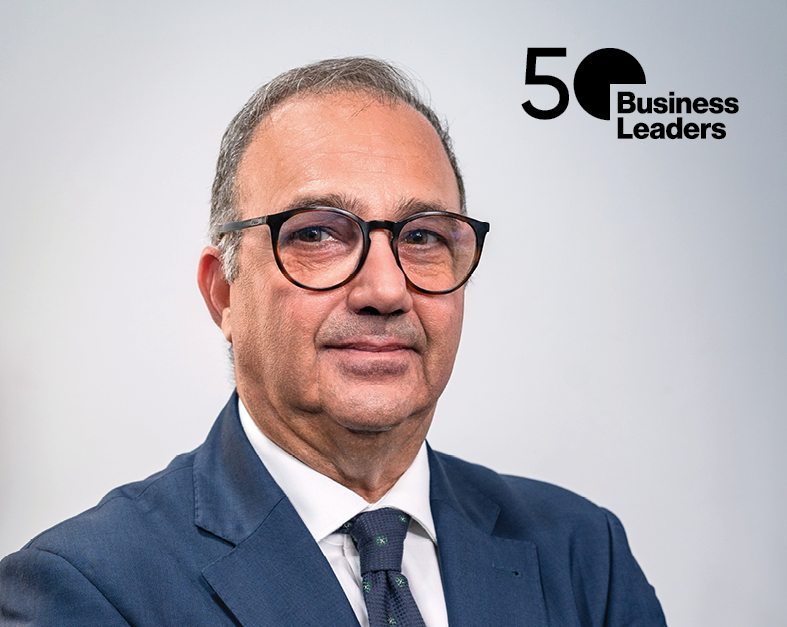

Michael Stivala re-elected MDA President, calls for better forward planning
'Malta urgently needs better forward planning, particularly in infrastructure, transport, utilities and community facilities.'

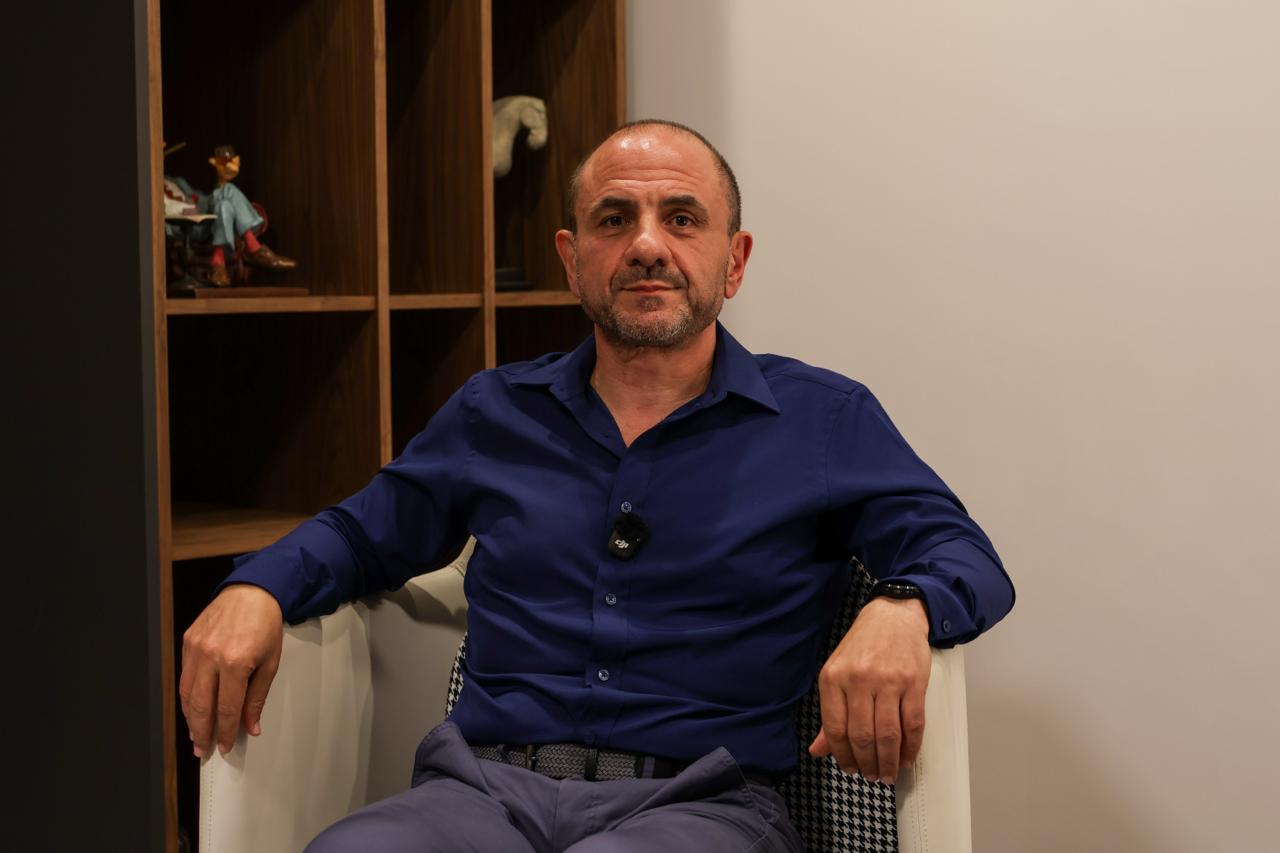
Effective leadership ‘starts with listening’, says ETERNA Group’s Priya Lakshmanan
Priya Lakshmanan, newly appointed Chief Strategy and Optimisation Officer at ETERNA Group, speaks about the leadership qualities needed to drive ...
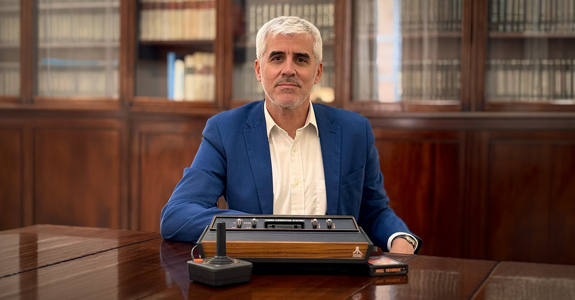
Fenech & Fenech Advocates appoints Antonio Ghio as Chief Innovation and Technology Officer
Antonio Ghio is an IT Law expert and has been with the firm for the past 25 years.
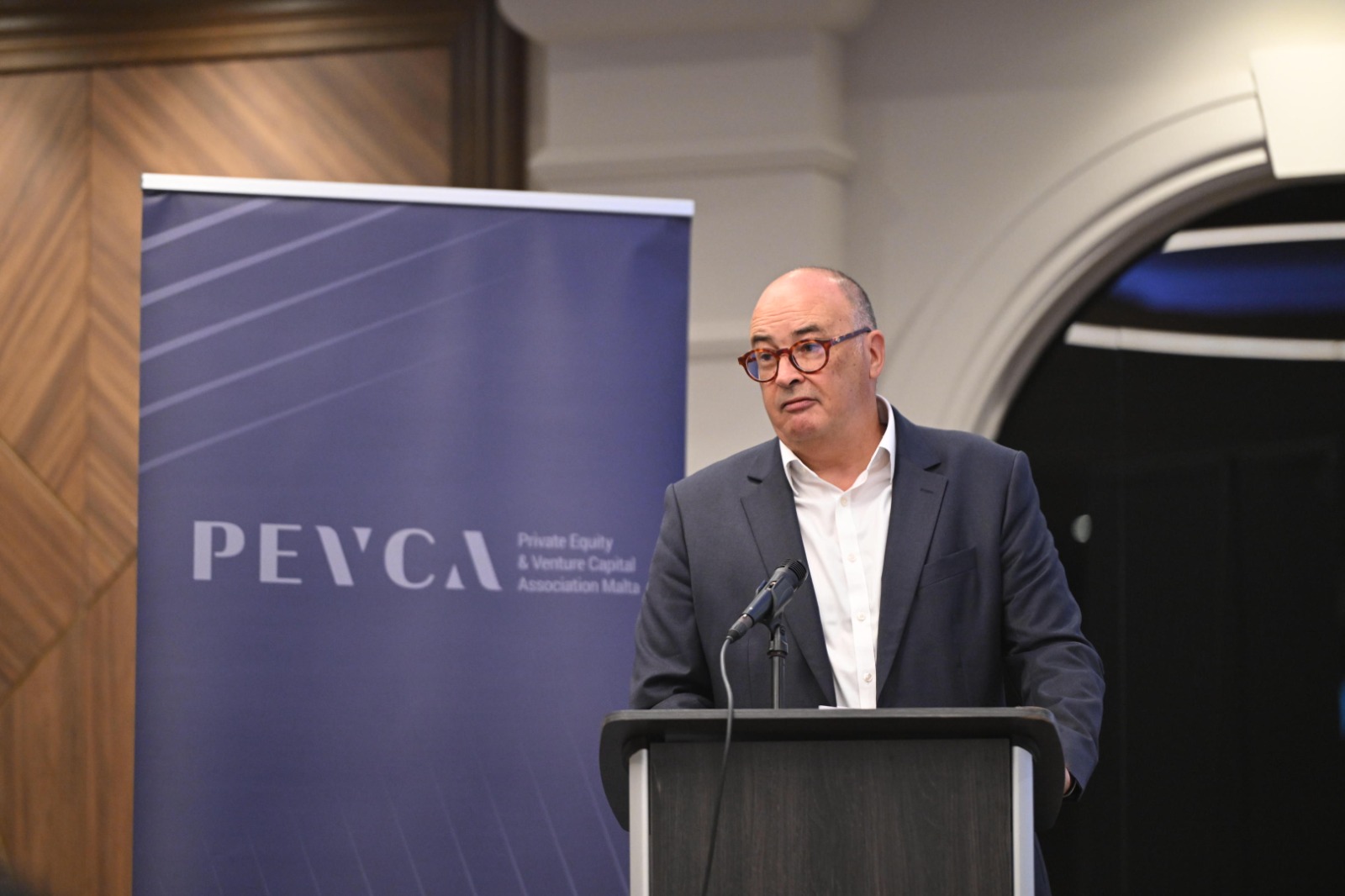
‘Considerable potential’ for Malta to develop as a private equity and venture capital hub – PEVCA head
He said that private equity and venture capital play a vital role in modern, innovation-driven economies.
