

Budget 2027 gives households more money. Pensions rise by €10 a week and the minimum wage by €10.41, both including the €6.41 cost-of-living adjustment (COLA). Parents pay less income tax. Workers resident for five years receive a tax-free Super Bonus of €500 to €1,000, pledged as a yearly payment. Energy and fuel prices stay frozen.
The real question is who pays, and for how long.
Who pays? Residents benefit, while most new charges fall on visitors and foreign workers. The charge on tourist stays rises to €8 a night in hotels and €10 in short lets. Workers from outside the EU pay a higher permit fee and a new €400 yearly charge. Those who drive pay a licence fee of €83 a month. Those without long-term residence lose free public transport.
These charges help, but they do not pay for the package. The deficit stays at 2.6 per cent of national output in 2026 and 2027. Recurrent spending rises by €711m to €9.4bn. The Government holds its borrowing rather than reducing it, in an economy already at full capacity. Adding a yearly bonus costing about €200m loosens policy when it should tighten. Energy subsidies cost about €400m a year, roughly half the deficit. The new social measures cost over €121m.
A narrow and fragile base
The new revenue rests on tourism and foreign labour. These are not independent sources of revenue. Tourism itself relies heavily on foreign labour. Hotels, restaurants and construction run on foreign workers; when tourism falls, so does demand for them, as COVID-19 showed. The budget also aims to reduce reliance on foreign labour. If it succeeds, this revenue shrinks. If the revenue holds, the policy has failed. The largest risk is energy prices; a shock would raise the subsidy bill at once. Permanent commitments rest on revenue that can fall quickly. Pension rises, COLA, a yearly bonus and tax bands that step up again in 2028 cannot easily be reversed. Under pressure, governments usually cut investment first. Reform of benefits comes last.
Foreign workers will carry the cost
For a worker who does not drive, the new charges add €400 a year, €600 in the first year, roughly 3 per cent to 5 per cent of a minimum wage. These charges are unlikely to change recruitment decisions. They will function mainly as a tax on workers. Wages are unlikely to rise. The greater risk is to working conditions. A work permit ties a worker to one employer, so the cost settles on the worker. Where employers and agencies refuse to absorb it, workers will pay through deductions, unpaid hours or undeclared work.
Running the state for less
The budget contains no comparable commitment to reducing the cost of Government. The public wage bill reached €2.4bn in 2025, up 31 per cent since 2022. Spending on goods, services and outsourcing rose 57 per cent to €2 billion.
Malta has online and mobile Government and now artificial intelligence (AI), yet costs keep rising. Digital tools save money only when work is redesigned, and posts are not refilled. Every worker the public sector does not need is one the private sector need not import.
Capital spending
This rises by €270m to €1.45bn. The speech, as reported, names continuing projects in health, ports and the grid, but nothing new for drainage, roads or water. The electricity distribution network receives about €75m; the subsidy, €400m. For every euro spent on the grid, more than five hold prices down. Cheap power encourages demand, while investment in the grid remains comparatively modest. The nine-year grid plan and the second interconnector chase that demand; no target for spare capacity has been published. A 25 per cent tax rate on small companies’ retained or reinvested profits is a tax break, not an investment programme.
No new funded programme for skills, automation or technology replaces the labour the budget makes dearer. Vision 2050 has no financing plan.
Pensions
The missing reform: Automatic enrolment in workplace pensions, promised in Budget 2025, is absent from Budget 2027. Workplace pension saving remains limited among working-age adults. The state pension looks healthier because contributors almost doubled in 15 years, much of it through foreign workers. The budget makes that inflow dearer, adds €10 a week to pensions now, promises €50 over the legislature, and builds no private saving.
Future pensioners will depend even more on the state.


Retention is the new recruitment strategy for Malta’s businesses
Recruitment remains competitive for businesses, so retaining a good employee can be just as valuable as recruiting a new one.

‘Growth comes from being willing to take calculated risks’
Darren Ciantar, founder and CEO of Ciantar Group, traces the ambitions, opportunities and uncertainties that have helped shape the enterprise.
The next step must be about productivity
'We cannot keep addressing every labour shortage by adding more workers.'
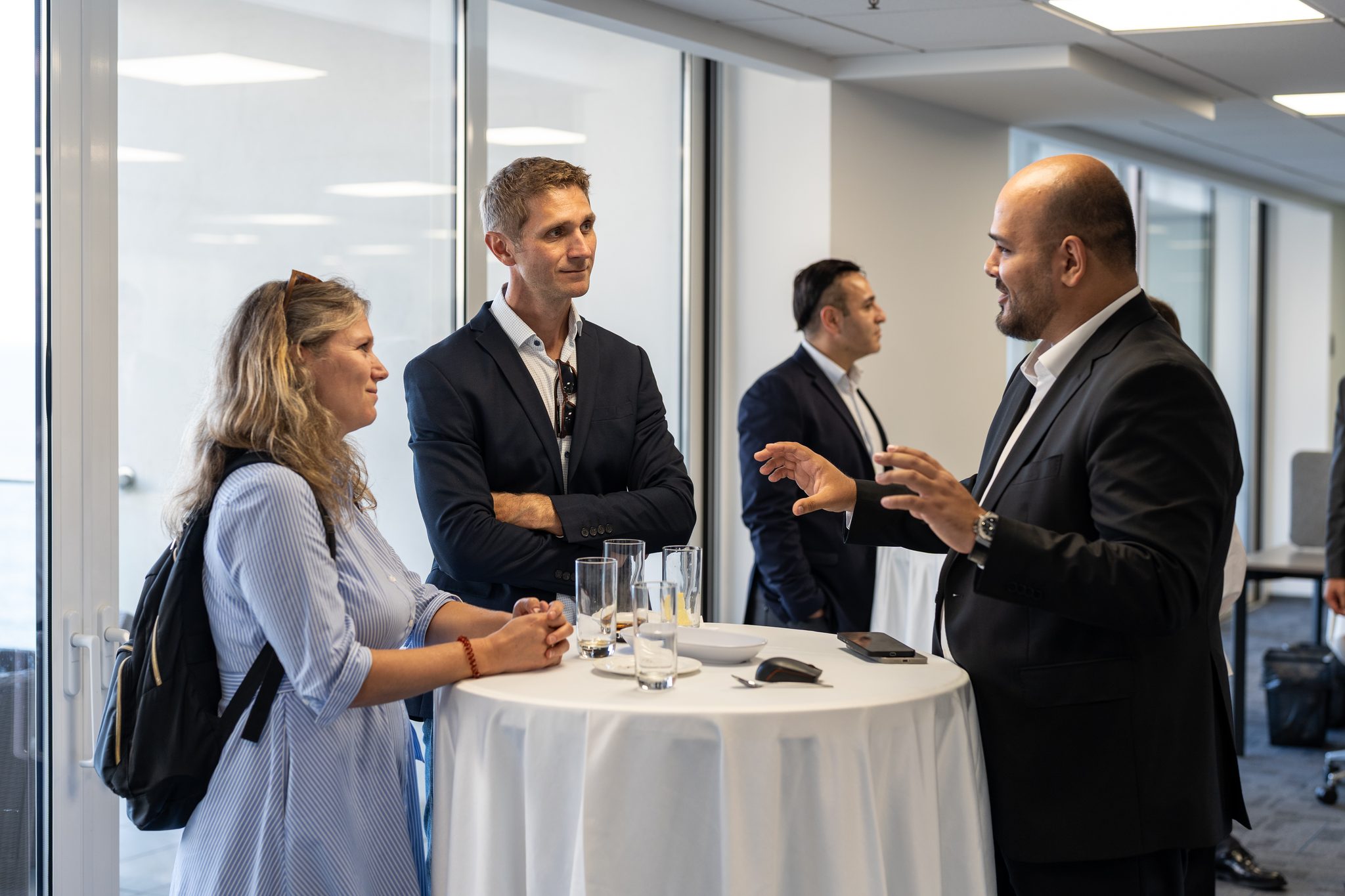
Alkagesta’s banking summit in Malta draws partners from across Europe’s financial centers
The gathering reflected the scale of the company's global ambitions and the growing confidence of the international financial community in ...
