


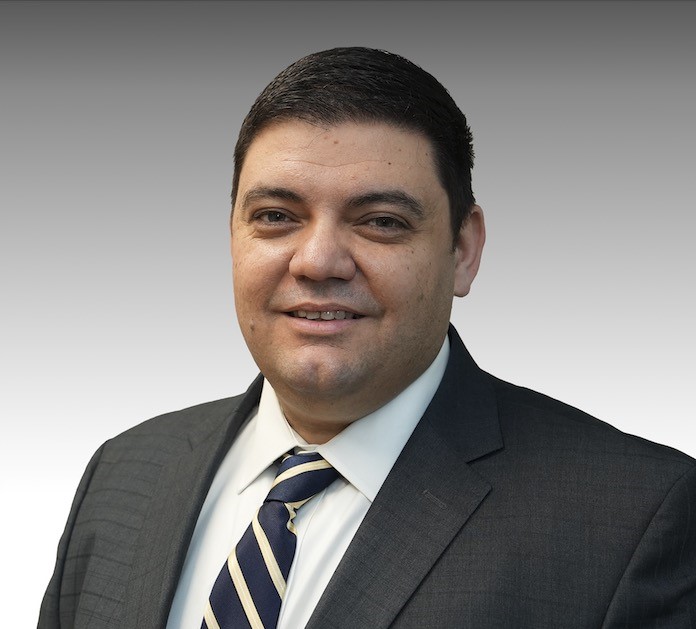
Local tech expert Alexiei Dingli warned businesses that they could actually be shooting themselves in the foot by rushing into AI solutions without a proper strategy.
MaltaCEOs.mt spoke to Prof. Dingli after he published a cautionary LinkedIn post about how some businesses “chase hype” before acquiring a deeper understanding of the technology and the problems it’s meant to solve.
“I see this constantly, what I call the ‘FOMO Strategy’ (Fear Of Missing Out). Many boards are pressuring CEOs to ‘do AI’ simply to tell shareholders they are doing it, rather than solving a tangible problem,” he said.
Prof. Dingli outlined four real-world scenarios he has encountered that encapsulate this trend.
1. The ‘GenAI customer service’ disaster
He said that a number of retail businesses have rushed to replace human customer care support resources with ‘out-of-the-box’ large language models like ChatGPT and Gemini.
However, with no proper guardrails or proprietary data training, the chatbots ended up promising refunds the company couldn’t actually honour and recommending competitor products.
“They implemented the tool before understanding the risk, forcing them to revert to humans after suffering reputational damage,” Prof. Dingli said.
2. The ‘Ferrari with no fuel’ (data readiness)
Prof. Dingli said he has seen some manufacturing and logistics companies purchase expensive, high-end predictive AI software, only to realise after signing the contract that their historical data is fragmented, stored on paper or completely unstructured.
“They bought a Ferrari engine (the AI) but have no fuel (clean data) to run it. The project stalls for years while they scramble to digitise, burning cash on licenses they can’t use,” he said.
3. The ‘generic’ marketing trap
While many agencies nowadays use AI to churn out generic SEO-driven articles, Prof. Dingli argued that cutting out human writers carries its own cost.
“Because they skipped the ‘human-in-the-loop’ strategy, the content comes out robotic,” he warned.
“Search engines penalise their rankings, and the audience smells the lack of authenticity immediately. They saved money on drafting but lost significant value on brand trust.”
4. The ‘wrapper’ risk (trusting overnight experts)
Prof. Dingli urged businesses to adopt a degree of scrutiny and caution when dealing with AI startups who promise the world.
“I recently advised a firm that built a critical workflow on top of a brand-new ‘AI startup’ that promised revolutionary results,” he recounted.
“In reality, the product was just a thin ‘wrapper’ around ChatGPT with no real proprietary technology. When the major tech giants released a free update that did the exact same thing, the startup’s business model evaporated overnight. The client was left with unsupported software and a broken process. It’s the digital equivalent of building a house on rented land.”
Prof. Dingli said that businesses can avoid these pitfalls by drafting a proper strategy before deciding whether or not to invest in AI solutions.
“Instead of asking ‘How can we use AI?’, businesses need to trust an expert and start with an AI Readiness Audit followed by a proper AI strategy,” he said.
“My recommendation is always to identify the actual business bottlenecks first, ensure the data is clean and available, and then apply the right tool for the job. That is the only way to move from ‘buying hype’ to generating real Return on Investment.”
“If the AI doesn’t give you added value, then just don’t use AI!”

The Convenience Shop appoints Ramon Falzon as Chief Financial Officer
Ramon, a veteran finance executive, brings over two decades of international experience to the role.
Etienne Azzopardi confirmed as Swintt Managing Director after interim stint
He first took on the position in January following a restructuring process.
‘We want to drive international investments towards Malta’ – Laedan Bridge Founder
The Malta-based investment brokerage has successfully secured a seven-figure investment in slot-maker F*BASTARDS.
Rise in UAE expats seeking work in Malta, Kore Group CEO says
Charlotte Sant Portanier says they are applying for jobs in healthcare, catering and hospitality, but also more technical roles.
