


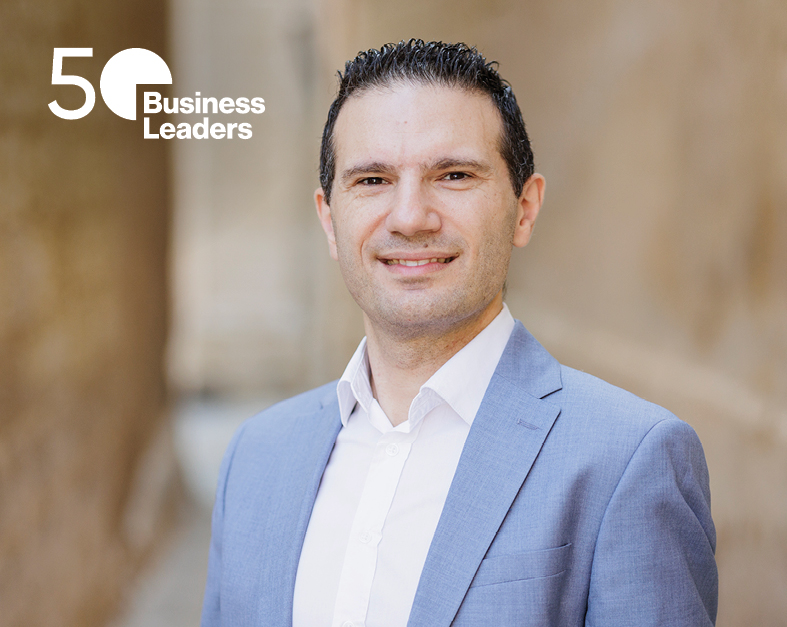
For Jonathan Spiteri, President of the Project Management Institute Malta Chapter, every project – from a capital investment project to a wedding – depends on how effectively people and expectations are managed. It is a principle that underpins his vision for Malta’s growing project management community and its role in helping organisations achieve their strategic objectives.
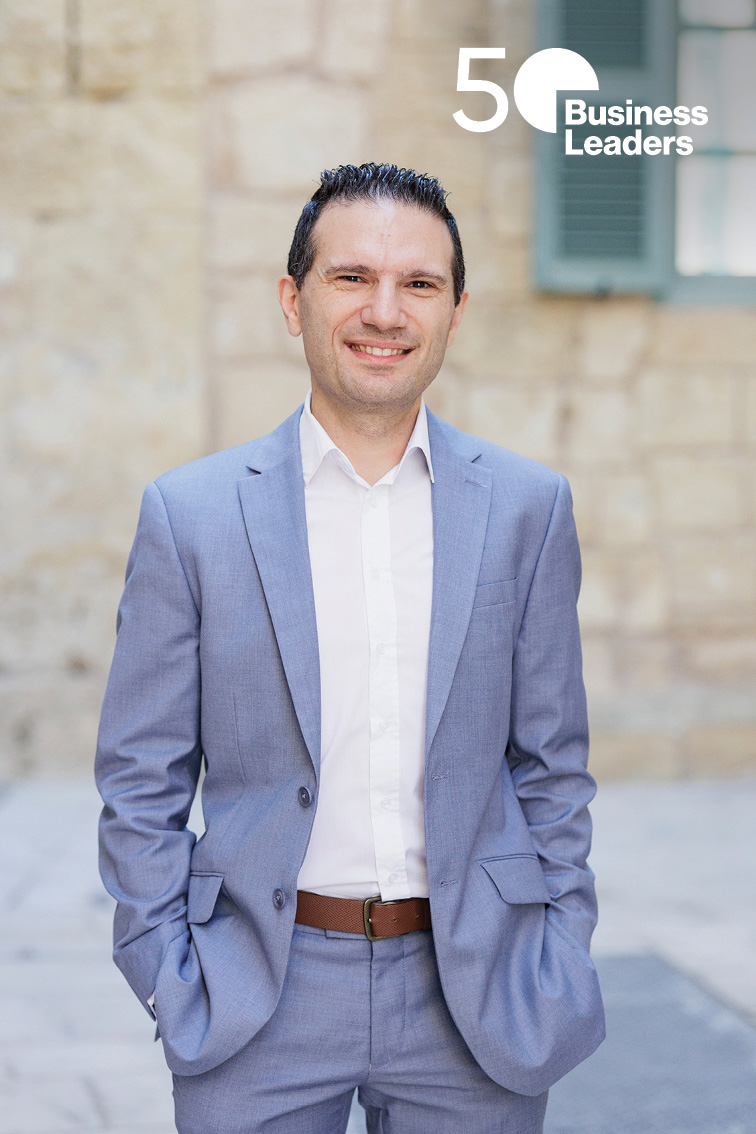
Jonathan began his career in electronics engineering and software development before moving into project management. He later completed an MBA in management and pursued further professional qualifications as his career expanded into strategy and transformation. Over more than 20 years of international experience, he has established and led strategy, transformation, project management functions and IT functions, working with boards and executive leadership on strategic priorities and organisational change.
“Once I was exposed to project management, I never looked back,” he says. “Project management is perhaps one of the most transferable skills you can think of, because whether you are running a household or a multimillion business, you need to plan, prioritise, and coordinate work to achieve an outcome. It is never a matter of strategy alone. There is the planning, and then you need to execute those plans. Throughout all of it, stakeholder management is crucial, because people need to understand the objectives and they need to be on board.”
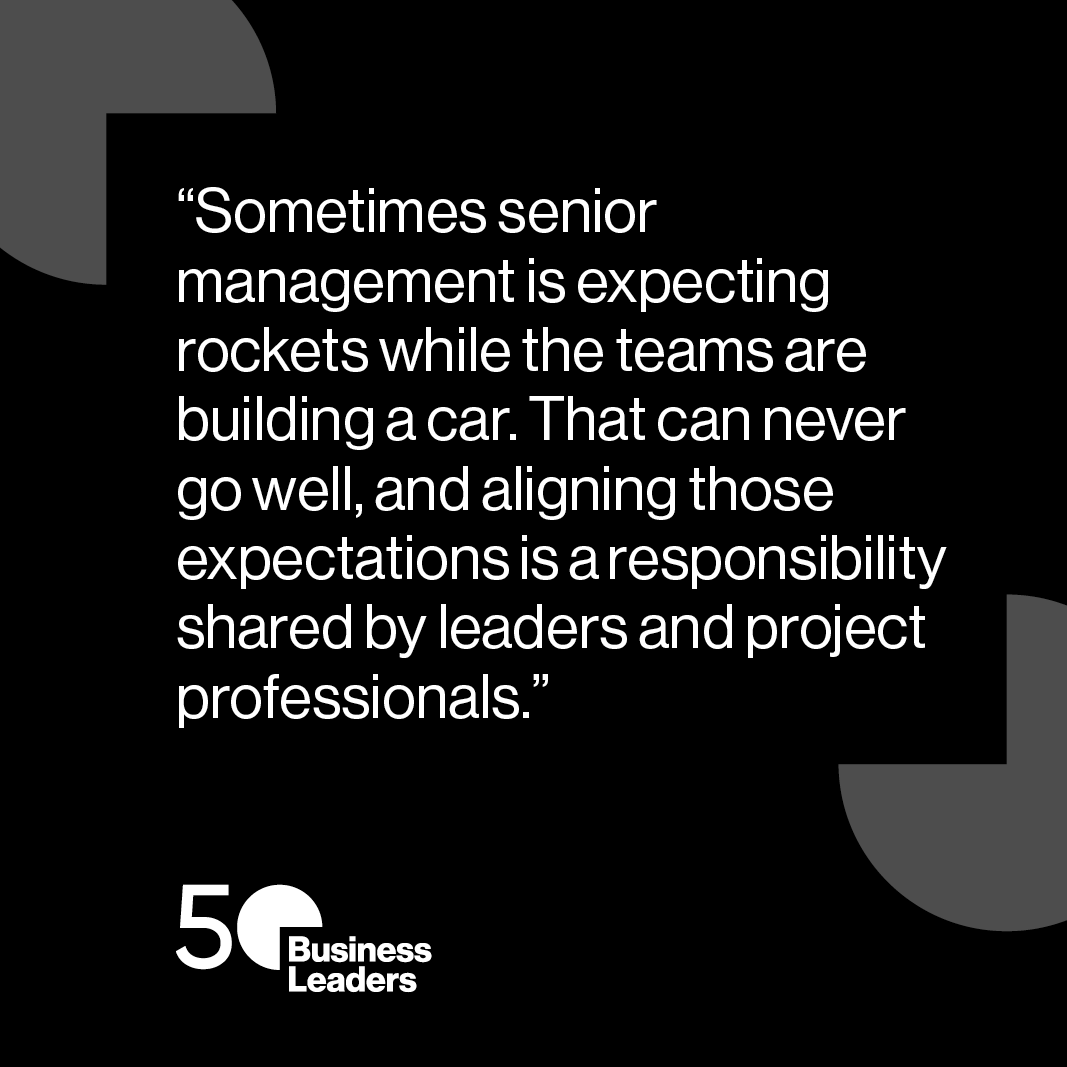
“At every stage, you are dealing with different people, so your approach has to adapt to each of them,” the PMI Malta Chapter President observes.“Some are open to change, while others need greater clarity about why it is necessary and what it will mean for them. Aligning stakeholders is one of the biggest challenges a project professional faces, because you need to be sure that everyone shares the same expectations. Sometimes senior management is expecting rockets while the teams are building a car. That can never go well, and aligning those expectations is a responsibility shared by leaders and project professionals.”
Closing that gap, Jonathan argues, demands maturity on both sides of the table. “The project professional needs to be assertive enough to challenge requests that could compromise the intended outcome and explain the consequences, while also being adaptable to circumstances, because being intransigent helps nobody. At the same time, leaders need to recognise the organisation’s capacity to deliver and adjust priorities, resources or expectations accordingly, whether the constraint is the number of resources, the skill sets available, or other projects that create a bottleneck. We talk a lot about agility, but it needs to be applied at every level, including senior management, and not only within teams. Time, quality and budget remain important measures of delivery, but success also depends on the business benefits achieved, effective governance, and whether the outcome can be sustained.”
The role of the project manager has changed considerably over the years. The role of the project manager has changed considerably over the years. Beyond managing tasks and schedules, Jonathan describes a role that increasingly contributes to strategic decisions and business outcomes.
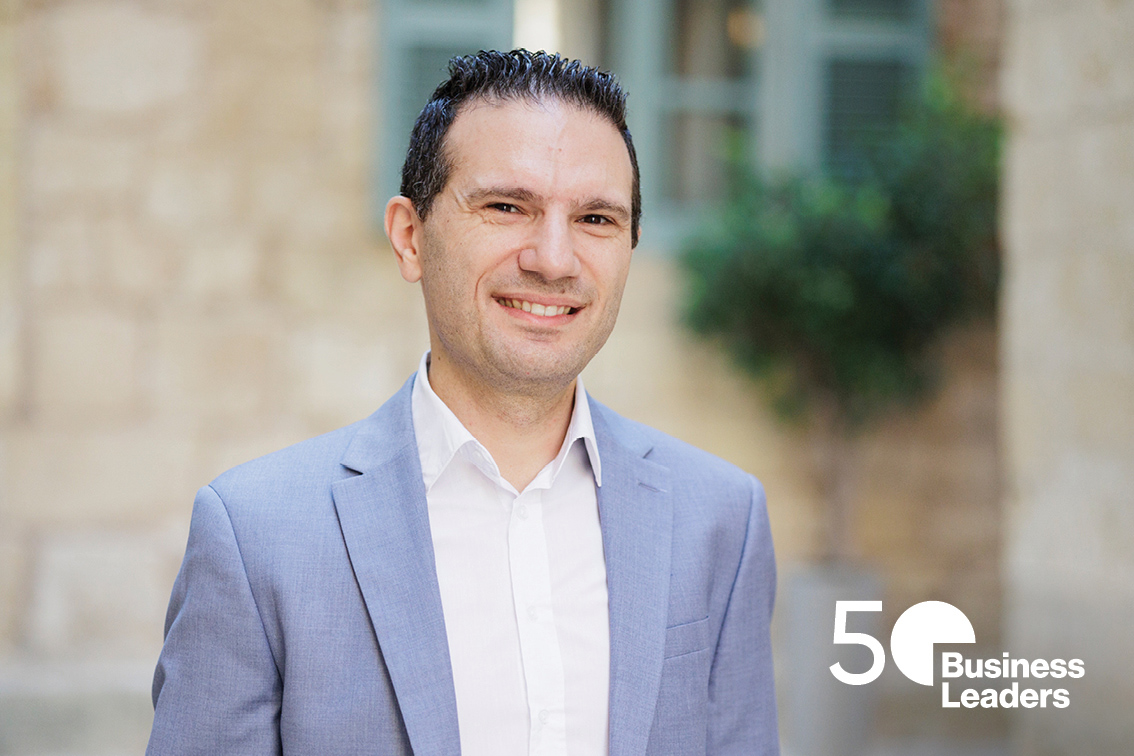
“You are constantly looking at the wider picture, at how the various parts are going to interface with each other, and at making sure that the strategy can actually be executed. Companies nowadays are far more willing to understand the importance of a project manager, and increasingly, they do not want someone who simply ticks boxes, because they know the value a good professional brings. Leadership teams need to assess opportunities, decide where to invest and oversee execution, supported by project professionals who understand the strategy, risks and expected benefits. That becomes even more stark when you are dealing with projects worth millions, where a poorly informed decision can result in considerable risk.”
Risk, in his view, is something every plan should address openly and document carefully. “Risk is present in anything, and it is important to identify it in all your plans. Whether you accept a particular risk depends on many elements, including the organisation’s risk appetite and various third-party factors, but what matters most is that decisions are informed, clearly owned and documented, so that future reference can be made to the decisions that were taken. Circumstances change, and a competitor might enter the market, for instance, causing the context to shift dramatically. At that point, you have to ask whether to keep developing and perfecting your product as planned, or to enter the market with a minimum viable product (MVP) in order to claim your space on the market.”
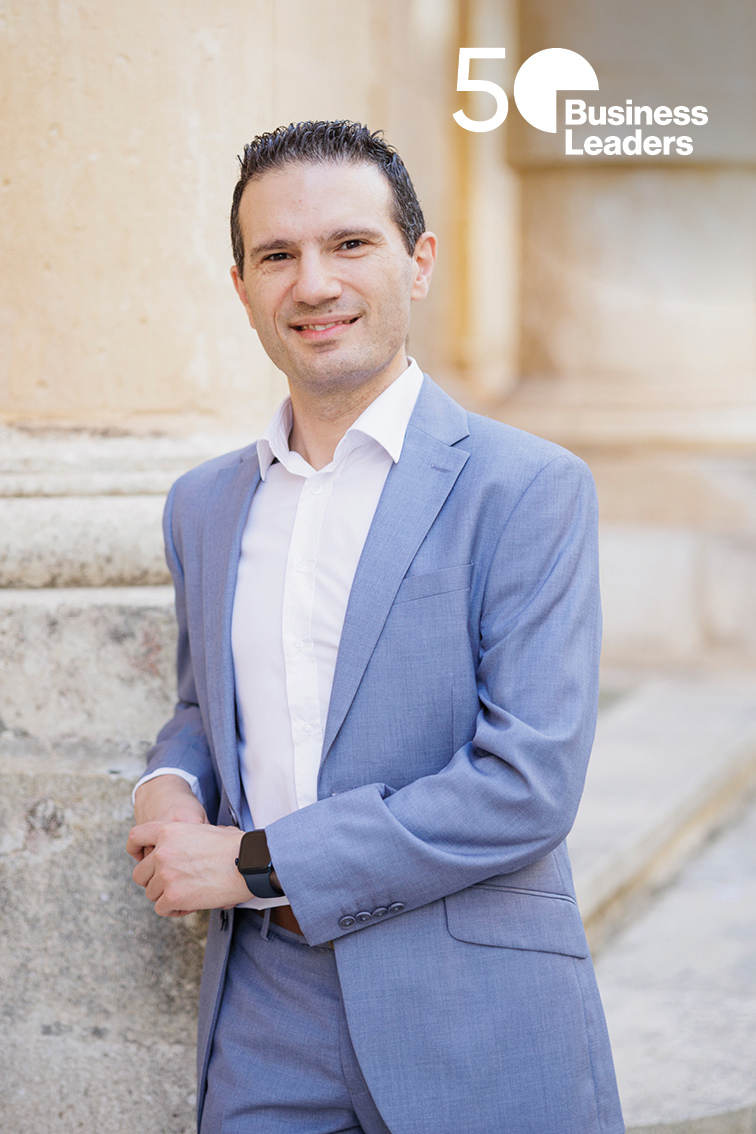
It was the absence of a place to share such experiences that drove the creation of PMI Malta. The Project Management Institute is a global organisation, with its Malta Chapter providing a local community for project professionals.
“We wanted to create a community in Malta where project professionals could meet, discuss their challenges and learn from one another,” Jonathan recounts. “Many of the challenges we face are similar, and there is no need for us to keep making the same mistakes when we can learn from each other.”
The Chapter’s members come from a wide range of sectors. “You name it, we are there,” he says. “There are projects in every sector. Today, we have members working in healthcare, finance, construction, tourism, technology and gaming.”
The ambition now is for PMI Malta to develop into a thought leadership organisation. To that end, it has just launched the first edition of the PMI Malta Project Recognition Awards, inviting organisations to submit projects completed in 2026, with assessment across governance, project delivery, and engagement and change management.
“A project is not successful simply because it came in on time or on budget,” Jonathan says. “There are other elements, such as the benefits achieved and stakeholder engagement, that determine whether it truly succeeded, and those are exactly the things we want to recognise.”
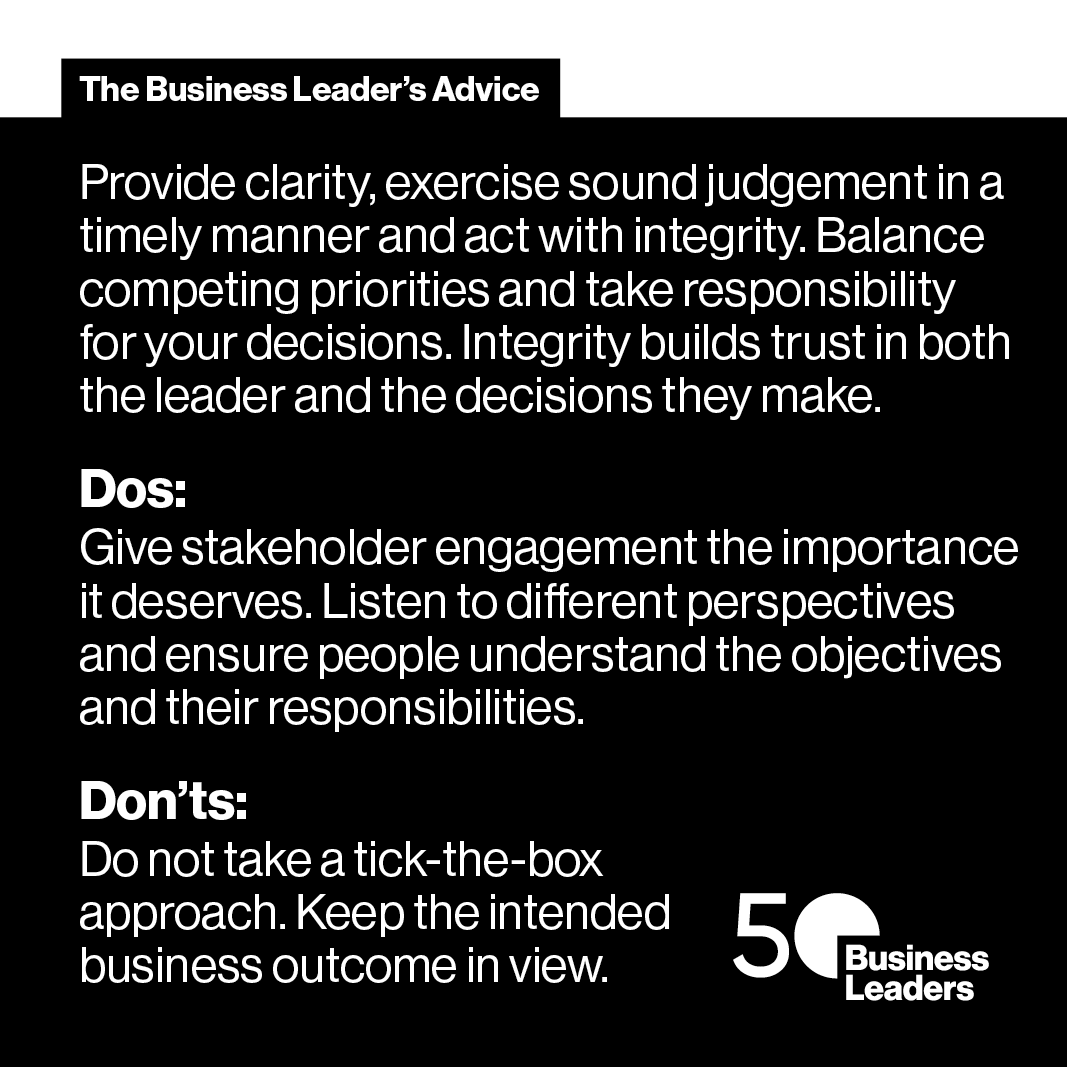
Concluding with advice for the next generation of leaders, he emphasises the importance of providing clarity, exercising sound judgement in a timely manner, and acting with integrity. He also highlights the need to balance competing priorities and take responsibility for decisions, noting that integrity builds trust both in the individual and in the decisions they make.
This interview forms part of the 50 Business Leaders project. The online serialisation on MaltaCEOs.mt will feature 50 distinguished business leaders, CEOs, and emerging business minds to create debate and encourage business leaders to share their journey with our readers.
Want to know more? Please drop us a line at info@maltaceos.mt


Effective leadership ‘starts with listening’, says ETERNA Group’s Priya Lakshmanan
Priya Lakshmanan, newly appointed Chief Strategy and Optimisation Officer at ETERNA Group, speaks about the leadership qualities needed to drive ...
‘Business is a marathon, not a sprint’ – Dr Silvio De Bono
As IDEA Group marks nearly a quarter of a century of growth, its Founder and Managing Director shares hard-won insights ...
‘A leader’s true purpose is to empower others to succeed’
IDEA College Principal Dr Nadia Maria Vassallo reflects on a diverse career spanning every tier of education.
Compass Travel’s strategy driven by bespoke experiences and human-led solutions
Diane Mifsud Depasquale says the travel firm is consolidating its vision as a personalised one-stop-shop for long-haul destinations.
