


As the European Union moves another step closer to reactivating free movement after reaching a provisional consensus on an EU COVID travel pass, several dialogues are taking place, debating on best practices when it comes to its implementation.
With the regulation coming into force on 1st July, the EU Digital COVID Certificate, (previously called the Digital Green Certificate), is set to allow for travel restrictions to lift across EU member states and a number of select non-EU countries. The certificate will contain information about an individual's vaccination, test and/or recovery status in relation to COVID-19.
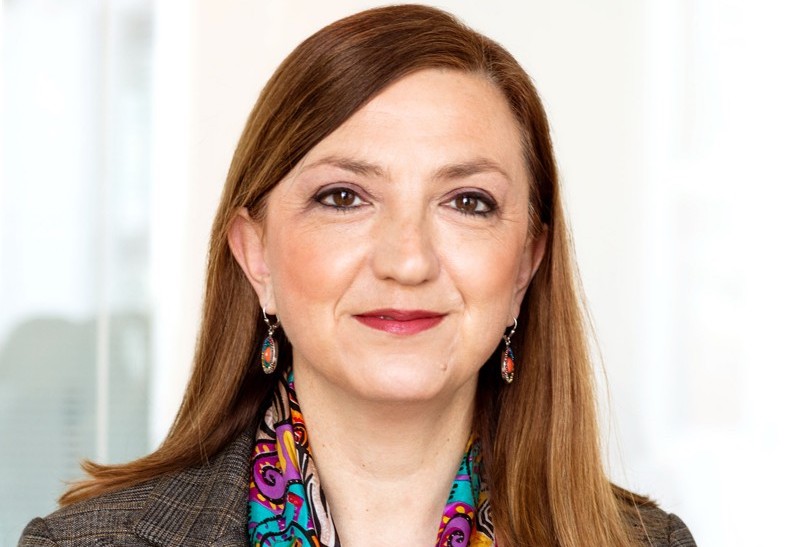
Having moderated a “very open and constructive dialogue” on the subject between member states, WHO Regional Director for Europe Hans Henri P. Kluge, WHO Chief Scientist Soumya Swaminathan and the EU Commission, Natasha Azzopardi Muscat, Director Country Health Policies & Systems at World Health Organization, shares an important message on the delicate process.
“Harnessing the power of digital technology for health services is absolutely critical and is the right thing to do,” she writes in a post on social media, emphasising a necessary caveat: “We always need to make sure that people's privacy concerns don’t fall through the cracks and that everyone must be treated equitably and fairly.”
And as discussions continue, would-be travellers eagerly wait for details of the system on an EU level, and how their country will phase it in.
Featured Image:
Natasha Azzopardi Muscat / LinkedIn


Moneybase launches weekly cashback scheme with rewards of up to €25 per month
Cashback is calculated on card spending each week and credited directly to the customer account every Monday.

Why businesses should stop comparing AI to humans and start focusing on results
Dr Vince Vella argues that businesses should stop viewing AI through the lens of human intelligence and instead focus on ...
Gianluca Borg appointed CEO of PG Group
His appointment comes shortly after the opening of the St George’s Mall.

Power cuts costing restaurants far more than spoiled food, ACE President warns
Michelle Muscat says several restuarants dealing with damaged equipment due to power cuts.
