

Over the past 12 months, KDM Group has solidified its corporate structure to prepare for the shift from the first generation of leadership, represented by its founder Kenneth De Martino, to the second.
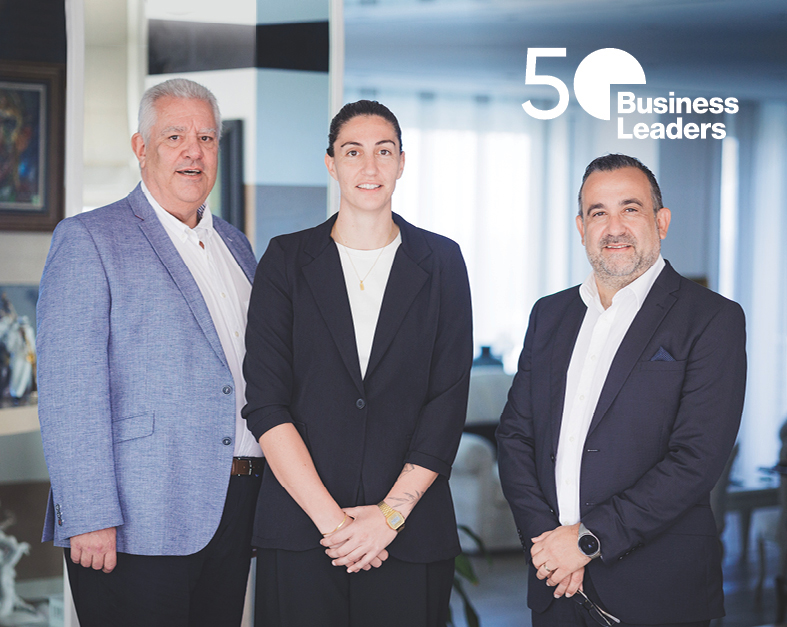
The transition is being led by Mr De Martino himself, as well as his daughter, Deputy Chairperson and Director Steffi De Martino, and, in a first for the company, the non-family CEO, Edward Chetcuti.
At the same time, the business has also been transformed from a set of independent brands into a single Group-holding company. This new entity is organised into four streams – tourism, represented by FCM Travel; security (G4S); aviation (Aviaserve); as well as transport and motility (ctPark), all operating under the same corporate umbrella.
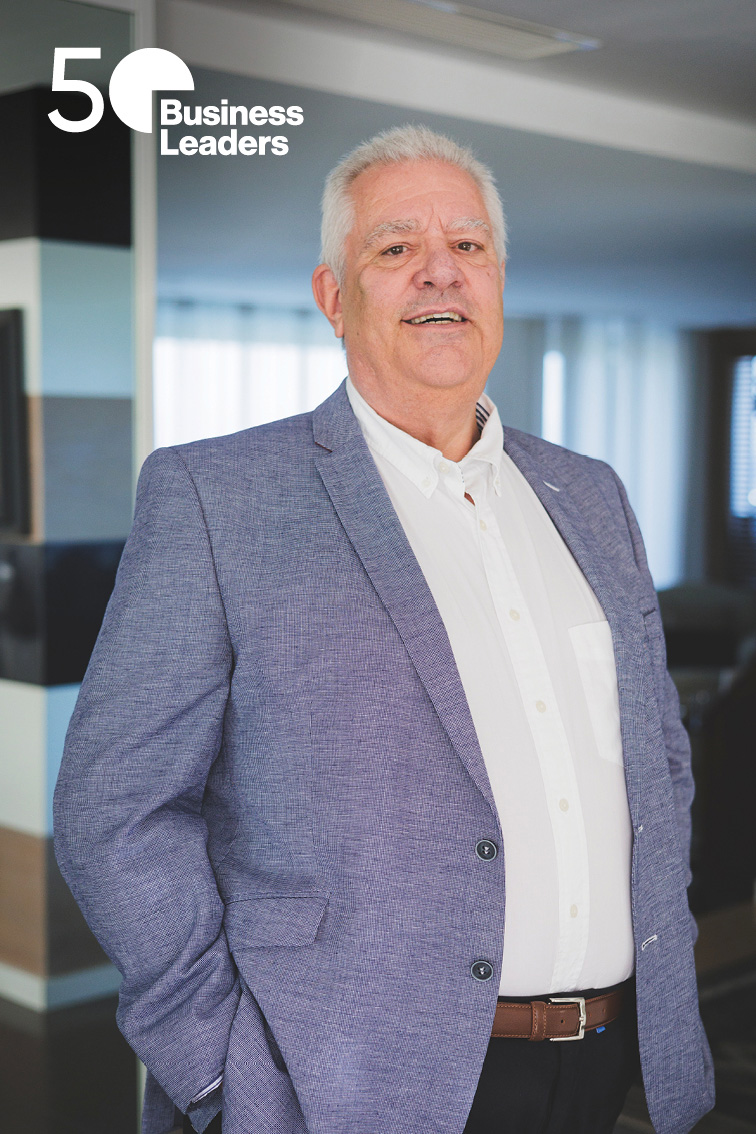
From the inception of the Group’s current evolution, “we established clear boundaries between ownership and management,” Mr De Martino attests. “I used to have a saying that ‘this is a family-owned business, but it is not necessarily family-run.’”
Indeed, while his children, including Ms De Martino, are heavily involved in building the strategy of the firm – “taking on roles they were competent to handle, based on merit, and not entitlement,” Mr De Martino stresses – the company has been further professionalised.
This is by means of the appointment of qualified, experienced and skilled specialists – such as Mr Chetcuti – who are helping to steer the business.
“It is about creating a clear, long-term vision. We tend to say that we are now entering Chapter Two of the Group’s history, during which the second-generation of the company’s leaders will shape the future with their own personal ideas, dreams and development,” Mr De Martino attests.
To this end, the Group’s organisational structure has had to be reshaped: “It has been a relatively slow process,” the founder admits, explaining that the business now boasts a formal family council where all the members meet every quarter, while corporate boards for each of the four verticals have also been established.
Moreover, Mr De Martino says, “the old set up meant we were operating in silos, with each of these streams being very independent from each other. Yet, after we acquired the full shareholding of all the companies, it became evident that we needed to centralise the decision-making, standardise processes, and create synergies – ones which were always there but which we had never maximised,” he says.
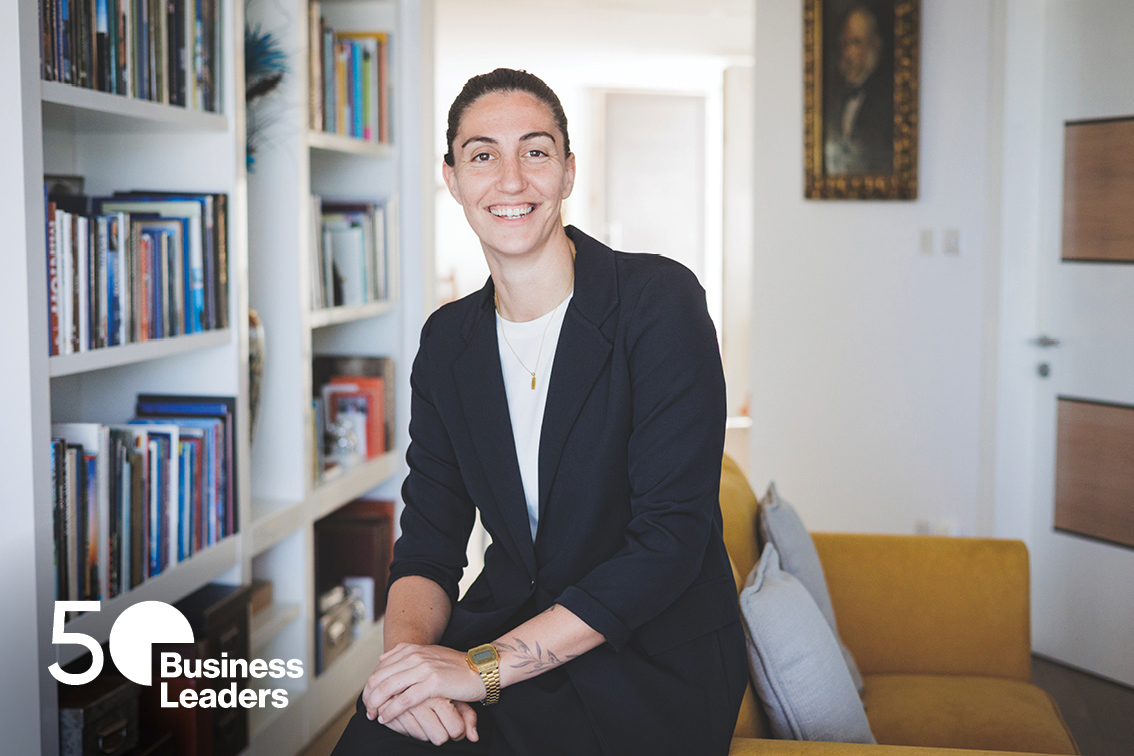
And, due to the extent of the transformation, these shifts are still underway. “The transition has been structured and gradual, and it was something we had discussed for a number of years,” Ms De Martino adds.
Reflecting on her and her siblings early involvement in the company, she says that “apart from growing up exposed to the business, we’ve all been intentionally involved in its growth, gaining experience, leading different projects and understanding the operational, financial and the people side of what makes KDM work.” This, she continues, has imbued her with a sense of responsibility and accountability. It has also made her driven to ensure that the firm’s entrepreneurial values remain in place because, she says, “the goal is not to lose that agility, creativity and appetite for risk that we’ve built over the years.”
Moreover, transforming the business into a unified Group proved to be the tipping point that led to the decision to select a non-family CEO to join the C-Suite, the De Martino’s attest.
Crucially, as a result “of where we want to take the organisation, we had to start looking at external consultants to give us the necessary guidance, and to make sure that our succession planning and development is on track to maximise all the necessary opportunities,” Mr De Martino explains. This led to Mr Chetcuti’s appointment.
“We knew it was important to find the right person, external to the family, who had the leadership to come in as Group CEO and work together with the second generation to start developing and taking the business where we want it to go,” Mr De Martino says.
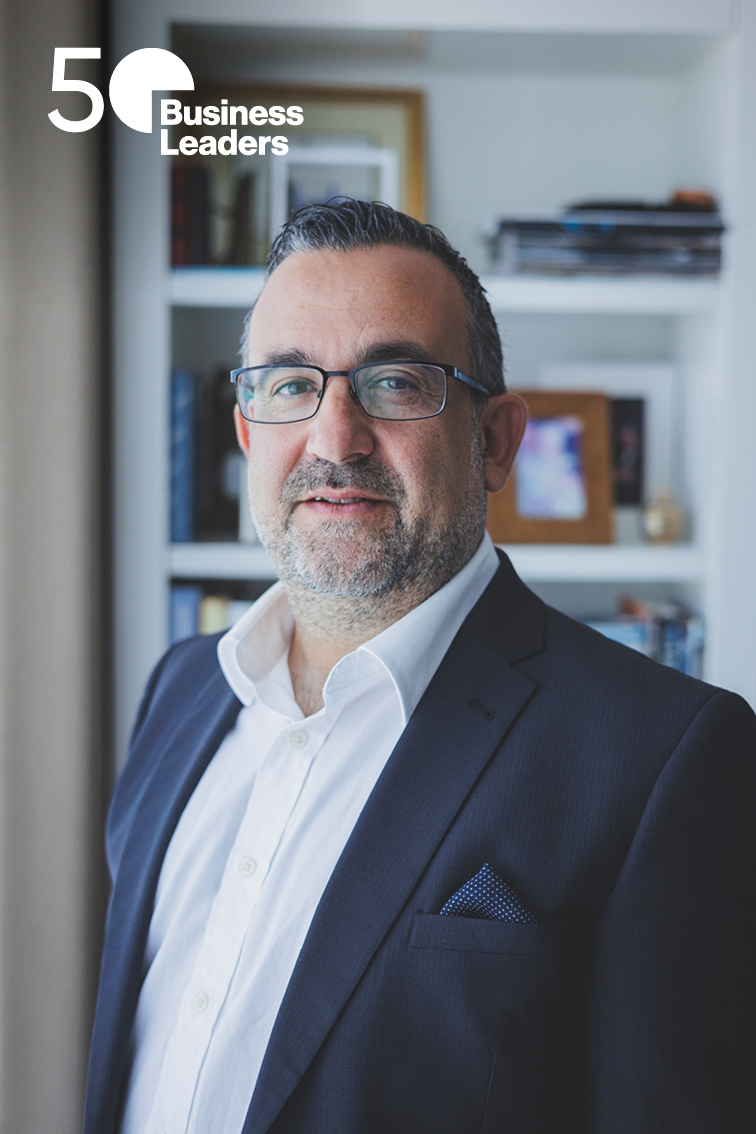
Mr Chetcuti is, indeed, driven to fulfil such a task: “As a Group, the core priority is to ensure that the values of the family are cascading across the four verticals, so that all 2,500 employees are in line with the vision of the business. Being part of the KDM Group means being part of the De Martino family, and I like to think we belong to one culture, while having many capabilities that can strengthen the enterprise,” he smiles.
In other words, he continues, his goal looking ahead is not “only centred on revenue and profit, although those are, of course, important. However, it is also about our people. As our motto goes: ‘It’s exceptional service from exceptional people,’ and we are faithful to that. So, our Key Performance Indicators (KPIs) are centred on how well we’re managing our staff, customer satisfaction, as well as broader aspects such as health and safety. In this way, we will continue to build a resilient and high-performing organisation across all verticals,” the CEO attests.
Looking ahead, and in five years’ time, Mr Chetcuti says he would like KDM Group to be seen as a “value-driven operator” across its four current business streams, with these, perhaps, increasing to five or six in the near future.
“The goal is to be known not only for the success of the company as a Group, but also as leaders that have institutionalised excellence as a way of life. We want to be known for the impact we have had on the local community. It is already practically impossible for a family in Malta to not come into contact with one of KDM’s offerings at some point in their day-to-day, so we would like to build on this. The De Martino family is very humble, yet it must also be mentioned that they contribute substantially to the island through the KDM Foundation, which is going to gain even more momentum in the coming years as we continue to grow the business side,” Mr Chetcuti says.
Concluding, Ms De Martino further elaborates by underscoring that the Group’s strategy will be “guided by long-term value creation. We have a lot of opportunities coming our way over the next 12 to 18 months, and we need to be selective as to where to invest. So, while we are planning to deepen our investment across the four verticals – and making sure they are fully optimised before exploring others – the drive is to add one or perhaps two more, when the time is right,” she affirms.
This interview forms part of the 50 Business Leaders project. The new online serialisation on MaltaCEOs.mt will feature 50 distinguished business leaders, CEOs, and emerging business minds to create debate and encourage business leaders to share their journey with our readers.
Want to know more? Please drop us a line at info@maltaceos.mt

From oversight to foresight: Internal auditors set to bring more value to organisations
IIA Malta Chairperson Giancarlo Millo shares his vision for an Internal Audit profession that moves away from the traditional box-ticking ...
The leadership philosophy taking Saint James Hospital into the future
Saint James Hospital’s Jean Claude Muscat, Andrei Camenzuli and Dr Adrian Vella underscore the entity’s structured approach to servicing the ...
‘Structure, creativity and accountability are the foundation of a successful organisation’ – Veronique Dalli
The founder of Dalli Advocates discusses the importance of adaptability in Malta’s evolving legal landscape.
MedservRegis strengthens global position under Co-CEO structure
Following a period of major transformation, Co-CEOs Karl Bartolo and Olivier Bernard discuss MedservRegis’s strategic direction, from expanding into new ...
