



Most CEOs of Maltese companies believe that US President Donald Trump’s tariffs on the European Union will have “no or minimal impact” on their business.
The tariffs, set to be 30 per cent unless US and EU diplomats are able to strike a trade deal within the next week, have caused major concern across the bloc, with recent statistics by the European Commission predict a slowdown in economic growth during 2025 due to the impact of tariffs.
Malta’s CEOs, however, have a markedly more muted reaction, with a recent study conducted by PwC noting “a contained level of concern for local CEOS.”
This is largely a result of Malta’s limited direct economic exposure to the US, which accounts for 3 to 5 per cent of the country’s total international trade.
Over 50 CEOs leading Malta’s largest business organisations across various industries were surveyed during the first weeks of June 2025.
The survey also reveals that business performance has improved significantly over the previous quarter, reaching one of its highest levels since PwC Malta began tracking sentiment in 2021.
This aligns with national economic indicators, such as the Central Bank of Malta’s Business Conditions Index, which shows a modest rise above the historical average.
Looking ahead, most CEOs share a cautiously optimistic six-month outlook, underpinned by solid fundamentals: projected GDP growth above the euro area average, stable unemployment at 2.8 per cent, and increasing building permits, an important signal of future investment.
Malta’s economic growth slows, but still outpaces the eurozone
According to PwC’s Economic Outlook, Malta’s economy is expected to grow by 4.1 per cent in 2025, outpacing the euro area’s forecast of 0.9 per cent. While this marks a slowdown from the post-pandemic rebound, Malta remains among the most resilient economies in the EU.
The report points to a mixed economic picture. Externally oriented sectors like financial services and ICT are driving growth, while construction, real estate and manufacturing are showing signs of contraction.
Consumption growth is becoming more selective, with categories like hospitality, education, and communication remaining strong, but broader household spending is showing signs of softening.
While Malta's resilience stands out, the data also flags a slowdown in private consumption per capita and a dip in economic sentiment entering mid-2025. These indicators suggest that while the country remains ahead of the curve, the pace of growth is beginning to ease.
Commenting on the release of both reports, David Valenzia, Territory Senior Partner at PwC Malta, stated: “Understanding where business confidence stands and how economic dynamics are shifting is vital, not just for policymakers but for businesses charting their next move. Reports like these are part of our responsibility to keep the market informed, so we can all move forward, together.”
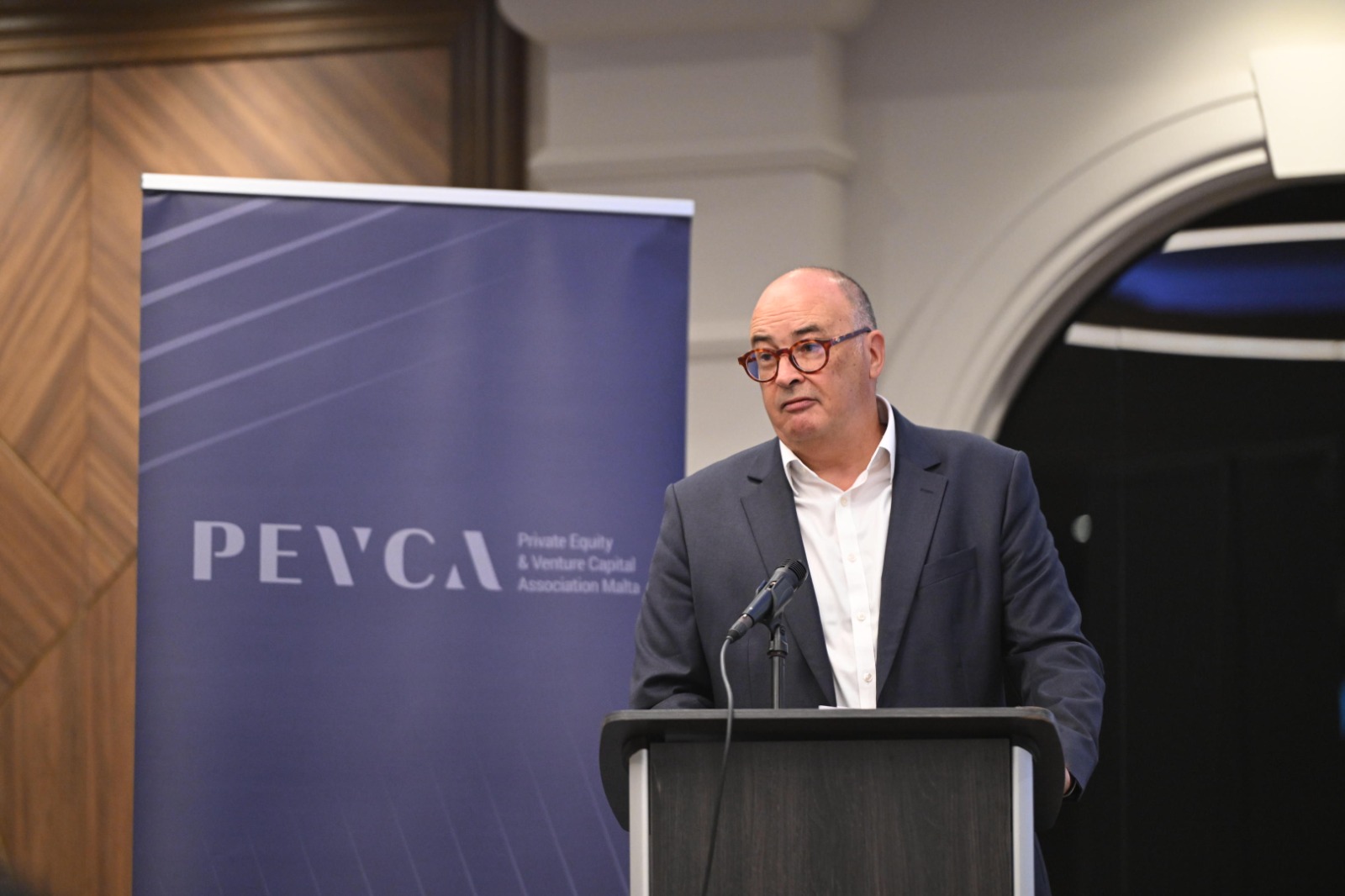


The Convenience Shop appoints Martin Brant as Chief Operations Officer
Martin Brant joined in July 2026 as Senior Operations Manager, overseeing an estate of more than 100 stores.

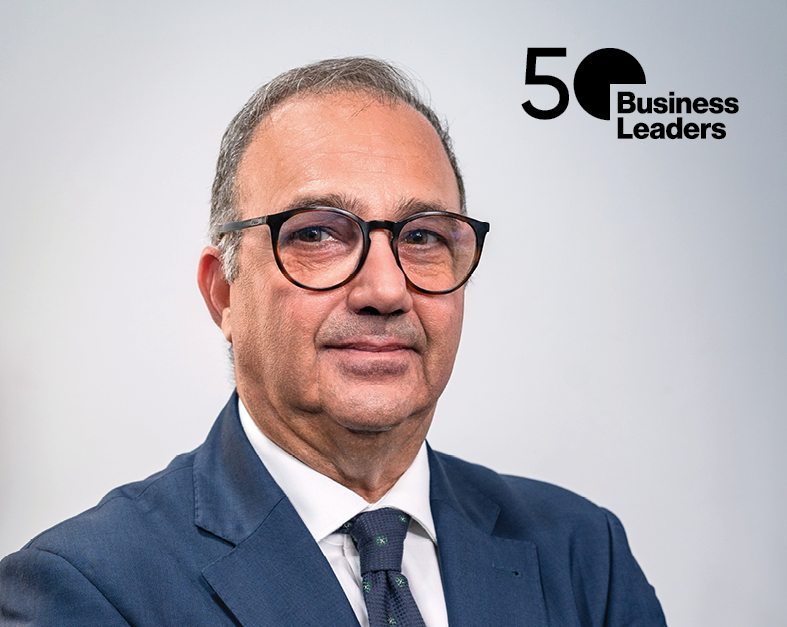
‘Growth comes from being willing to take calculated risks’
Darren Ciantar, founder and CEO of Ciantar Group, traces the ambitions, opportunities and uncertainties that have helped shape the enterprise.
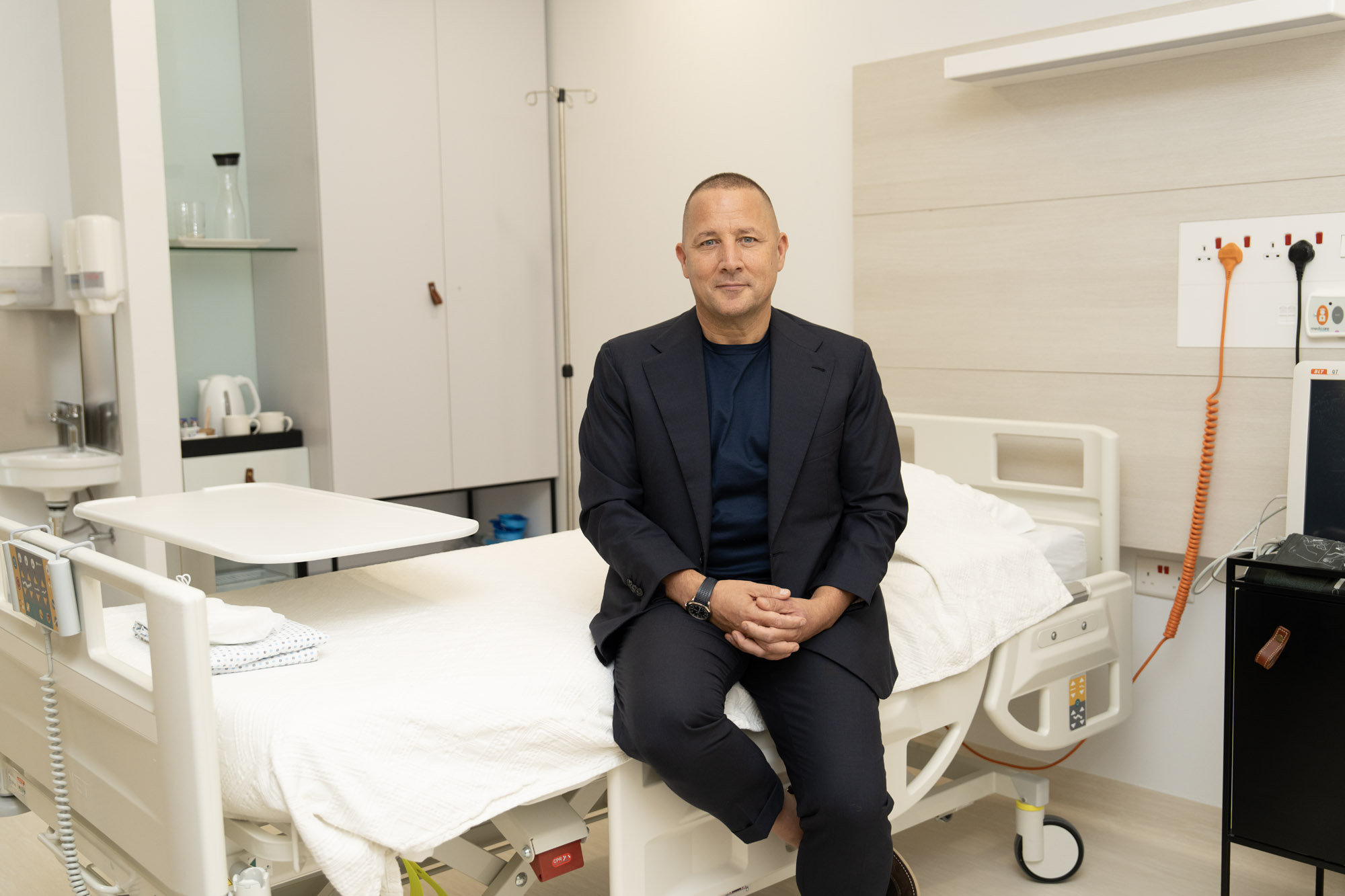
Saint James Hospital CEO calls for introduction of tax subsidies for people who buy health insurance
It would encourage more people to take up private cover, which in turn would reduce pressure on state hospitals, he ...

Legal certainty and targeted AI incentives among business priorities for Budget 2027
Andreas Ditsche and Jordan Bonello Gauci speak with MaltaCEOs.mt ahead of Monday's budget.
