


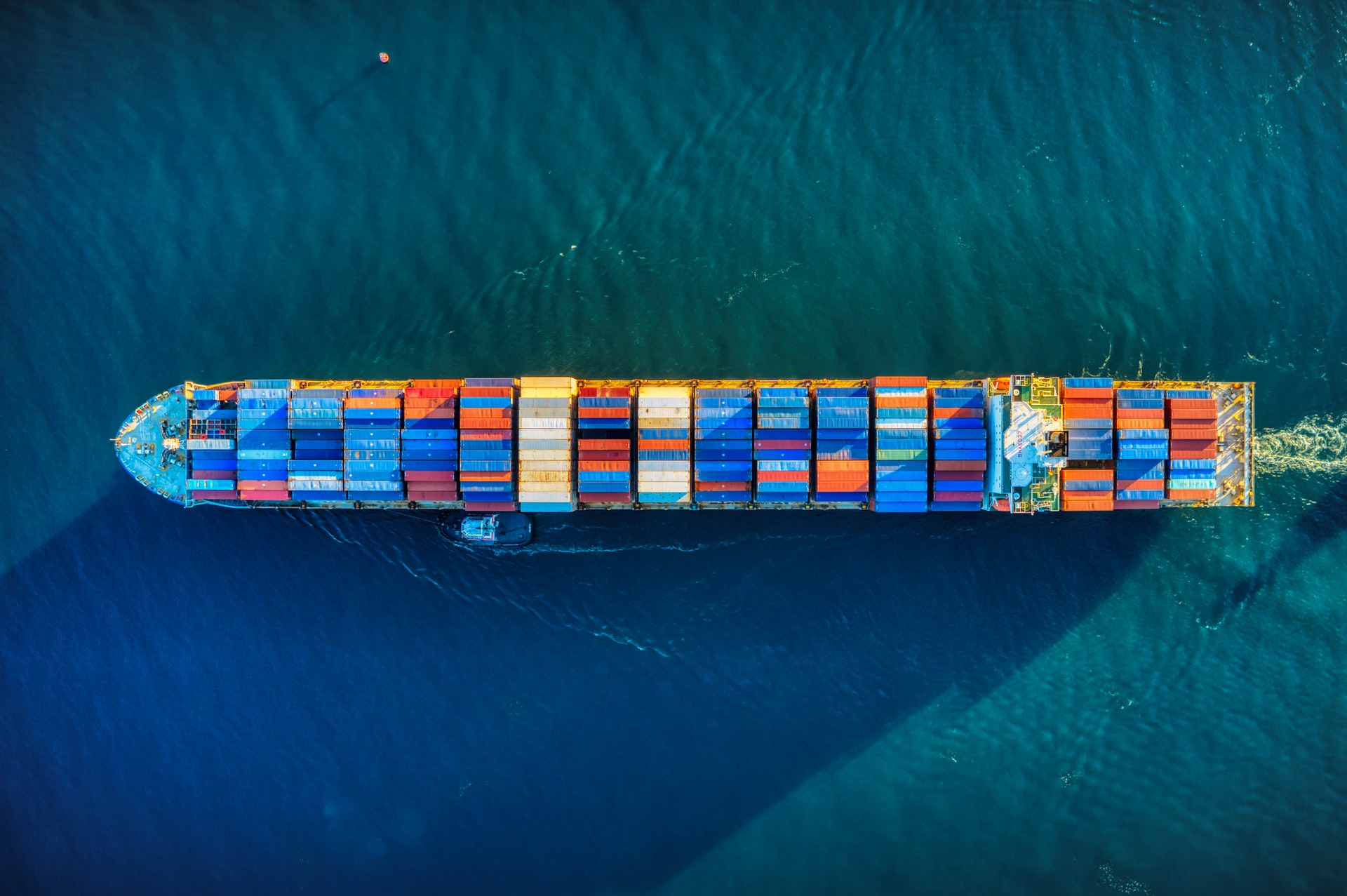
Operators in Malta's maritime sector welcomed the news that an initial agreement was reached between the USA and Iran which would lead to the Strait of Hormuz being reopened.
It was reported that the deal would also extend the ceasefire between the two nations, but challenges remain to ending the war. The deal’s details were not immediately released, but it appeared it would not be implemented until it is signed on Friday.
The war has had an impact on trade in the Gulf region and also on international oil prices. In Malta, fuel and energy prices have remained stable due to Government subsidies, which have been in place since the Covid-19 pandemic, but international oil prices had risen.
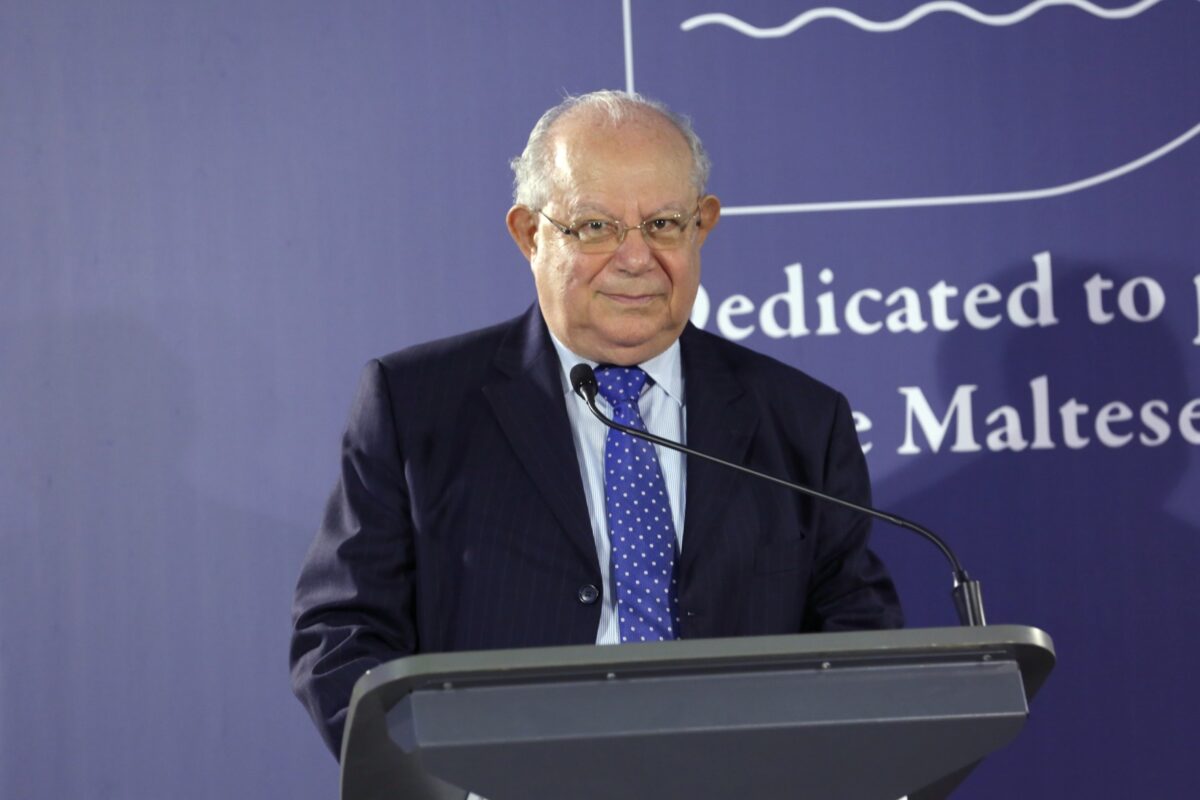
Chairman of the Malta Maritime Forum, Godwin Xerri, welcomed the news of the deal. “If the flow of fuel continues on its normal path, the first reaction should be a drop in the price of oil, which will be very positive,” he said.
He also mentioned the positive humanitarian perspective of such a agreement, saying that the seafarers who were stranded in the region would no longer be so.
As for the impact of the war on Malta, “there were some import and export industries affected in the country,” he said. “Hopefully negotiations will be successful and a permanent solution will be found.”
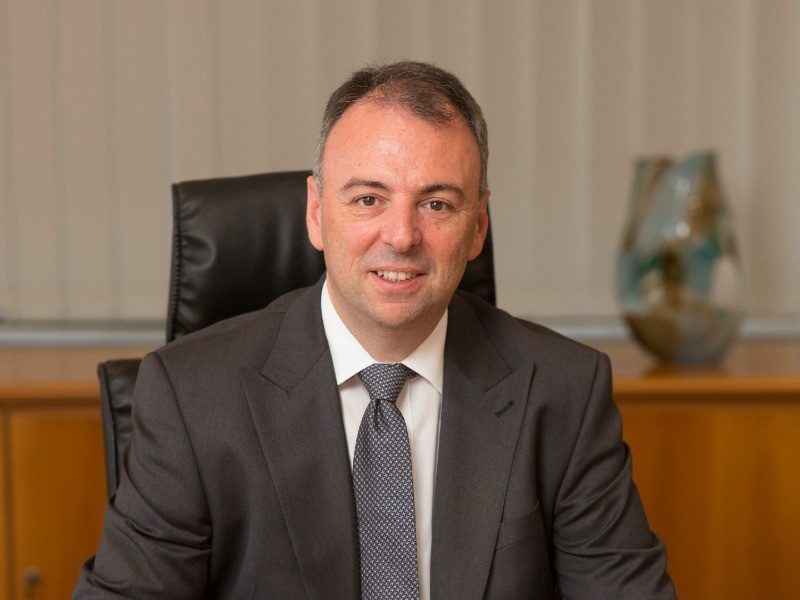
While services operating from the Freeport in Malta were not very negatively impacted to begin with, the opening of the Strait would be good news for the entire shipping industry, Alex Montebello, the CEO of Malta Freeport Terminals, told this newsroom.
“It will bring about an element of normality which we have been deprived of over the past few months in the region. For shipping in general it also means stability in oil prices, which is one of the main cost items for shipping. This augurs well for shipping at large,” he said.
Shipping sector operators also welcomed the news of the deal.
Kurt Camilleri, Managing Director of O&S Shipping Ltd, a Maltese company that provides freight, logistics and relocation services, said that freight costs skyrocketed as a result of surcharges and fuel prices emanating from the war.
The news of the initial deal, he said, means that if the Strait of Hormuz is reopened fuel from the Gulf to the rest of the world will resume as normal. He expects the market to settle, prices to go down, and some trade to pick up after the Strait is opened. “Hopefully it will be back to business as usual.”
Karl Gollcher, an Executive Director at the Gollcher Group, a transportation, logistics, supply chain and storage company, said that if the deal is signed it would help tremendously on the economic side of the shipping industry. Many owners who have ships locked in the Strait would be relieved, he said, adding that if it opens, goods, especially fuel, would move freely affecting market prices.
He hopes that it would be a long-term agreement that holds.
Thomas Sullivan, Commercial Director at Seatrans Shipping Ltd, a multifaceted maritime service organization, said that aside from easing world oil supply prices, a deal would also mean that vessels might start using the Suez Canal again.
“For local market and service providers, this will mean an increase in maritime activity,” Mr Sullivan said. He said operators would likely wait a while to ensure things settle down before doing so.
If that happens, prices will also drop, as instead of vessels going around the Cape of Good Hope, spending 10-12 days extra which increases costs, they would pass through the Suez Canal, he explained.


Theodoros Papadopoulos steps down as BOV Chief Customer Experience Officer after five years
'Now, on to helping people grow beyond what they thought possible,' he says.
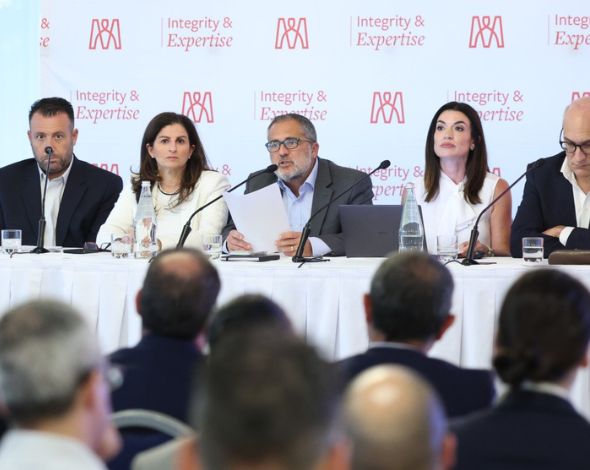
Jonathan Dingli reconfirmed as Malta Institute of Accountants President
Jonathan Dingli says MIA has important role in ensuring accountants prepared for what lies ahead.
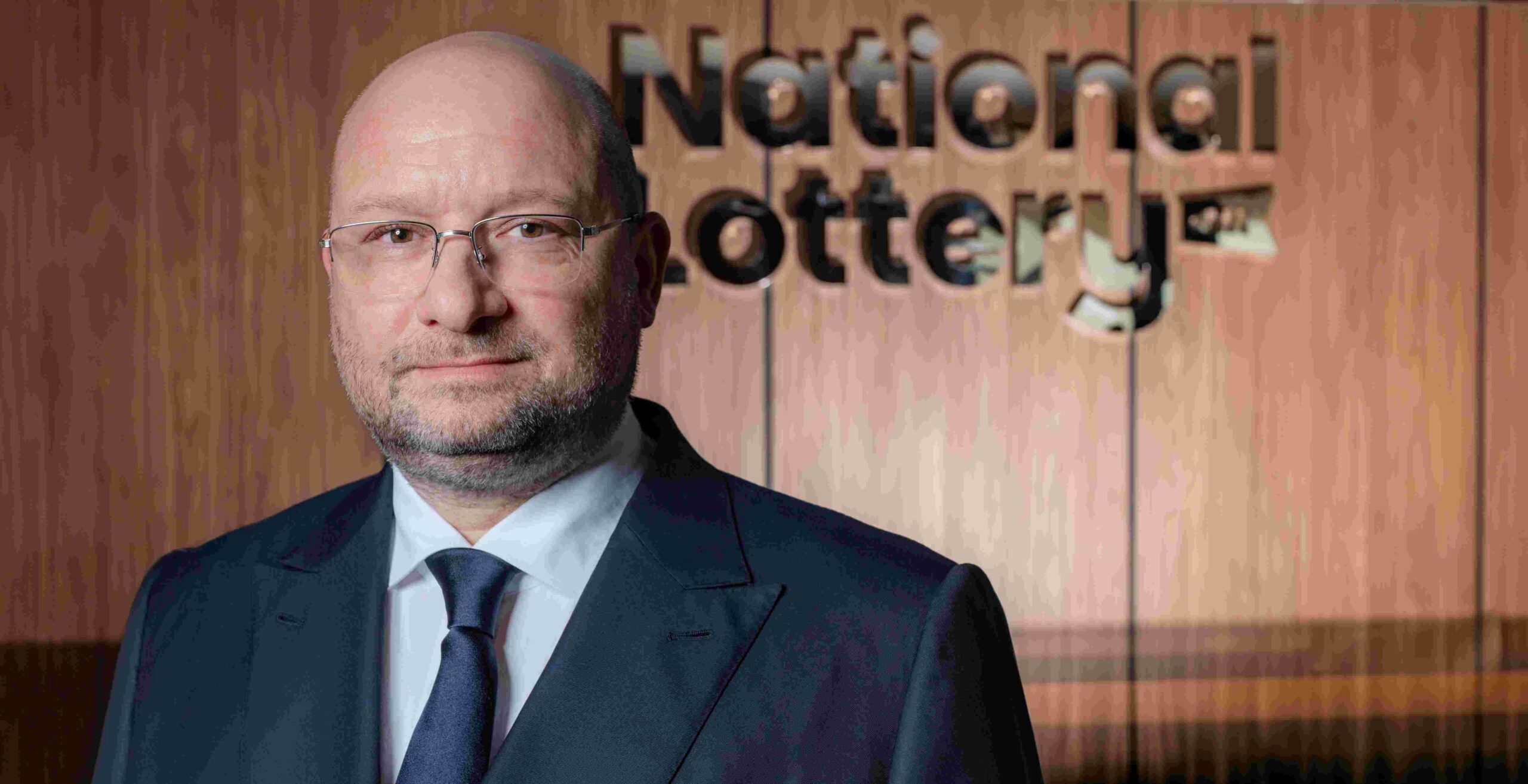
IZIGROUP CEO eyes international opportunities after ‘exceeding all targets’
IZI Finance plc has just announced its audited results, and the group surpassed €1 billion in both turnover and player ...
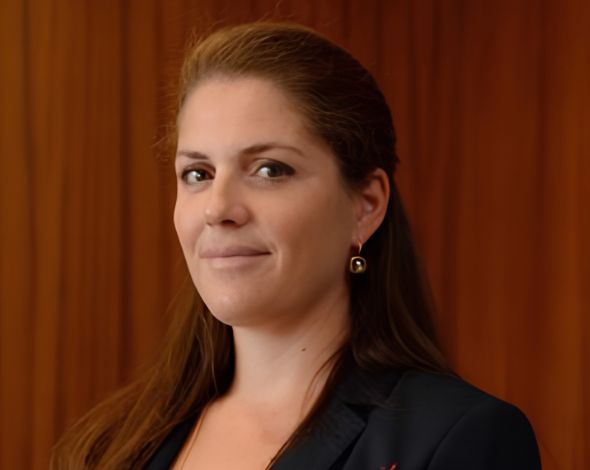
Antonia Zammit appointed Non-Executive Director of Simonds Farsons Cisk
Antonia Zammit replaces outgoing Director Marina Hogg.
