


As Malta continues to discuss family-friendly measures like flexible work and the four-day week, working mothers share their lived experiences – revealing how societal expectations, workplace culture, and personal resilience intertwine.
For many professional women in Malta, motherhood brings not only joy but a fresh layer of complexity – one that tests both their emotional endurance and professional adaptability.
‘There needs to be a cultural shift’
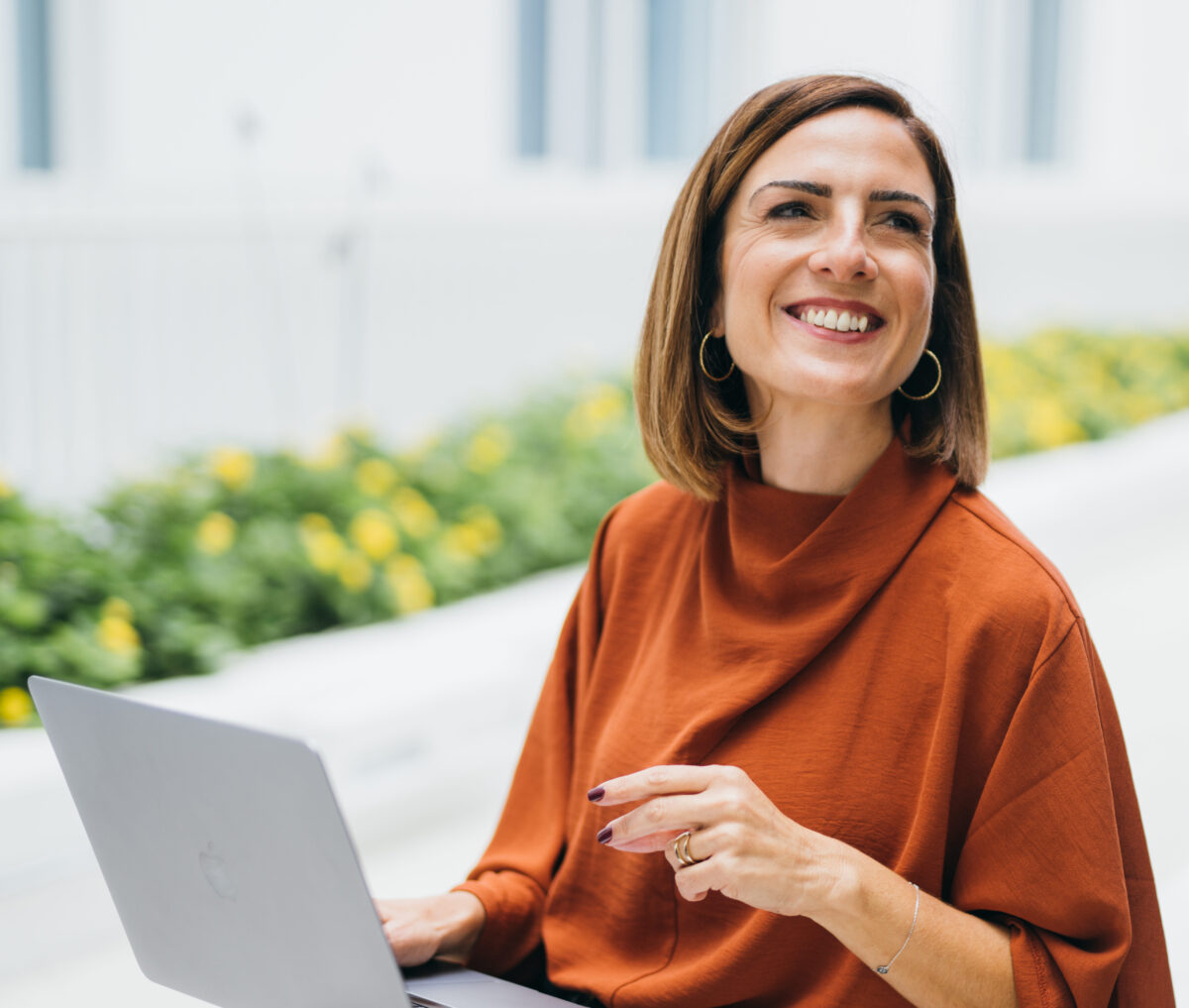
Business advisor and board director Nadia Pace has recently become a mother for the first time. At 45, with years of executive experience and several board commitments both locally and abroad, she describes parenthood as a deeply fulfilling yet socially challenging transition.
“I just had a baby three months ago – it’s my first,” she tells MaltaCEOs.mt. “I have my own business and sit on several boards as a non-executive director. Even though I have flexibility, there are commitments that can redefine parenthood. You can’t always choose when to show up – especially when clients are abroad or when you’re in a C-suite position.”
She emphasises that longer maternity leave, while well-intentioned, may sometimes disadvantage women who want to stay visible in their roles. “When you have certain roles in certain companies, the longer you are out of work, the bigger the risk of being sidelined,” she explains. “Businesses are changing at a fast rate, and you need to be present.”
For Ms Pace, what Malta needs most is a cultural shift – one that normalises shared parenting responsibilities and challenges outdated gender expectations. “The biggest shock I had was when people asked my husband and me: ‘Who’s going to take a step back?’ The expectation was that I would, simply because I’m the mother. Co-parenting still feels alien in our culture,” she notes.
She also calls for flexible work structures tailored to each company’s reality. “There can’t be a one-size-fits-all. A service-based business isn’t the same as a manufacturing one. Incentives help, but they should be for both parents. We need to keep strengthening paternal leave too.”
‘Flexibility made everything possible’
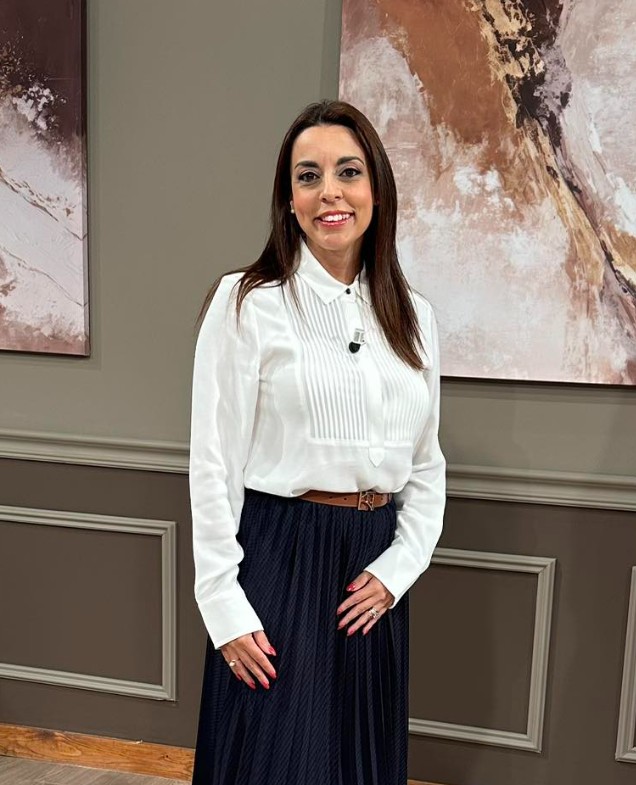
Television and event host Lisa Spiteri echoes this sentiment, saying that flexibility is what makes a real difference for working mothers. “Working mothers need flexibility above all,” she says. “Options like remote work, reduced hours, or even the four-day week can make a real difference – allowing mothers to balance professional responsibilities with family life, without having to compromise on either.”
Ms Spiteri tells MaltaCEOs.mt that she was fortunate to have a strong support system in her husband, mother, and sister. “When my children were younger, I’d drop them off at school and head to work until early afternoon. Then I’d pick them up, have lunch at my mum’s, and spend time together before returning to work later in the day. My husband would pick them up from activities – it was a real give-and-take situation.”
She says that this arrangement worked because her employer trusted her to deliver results rather than count hours. “The flexibility I was given allowed me to be fully present both at home and in my job. It made a huge difference.”
Her advice to mothers feeling overwhelmed is to communicate openly with their employers. “Many times, understanding and flexibility can be found once you explain your situation and try to work out a solution together,” she explains. “If that isn’t possible, and if it’s financially manageable, reduced hours can be a good option – you stay connected to your career while being present for your children during those important years.”
‘The system needs to change, not us’
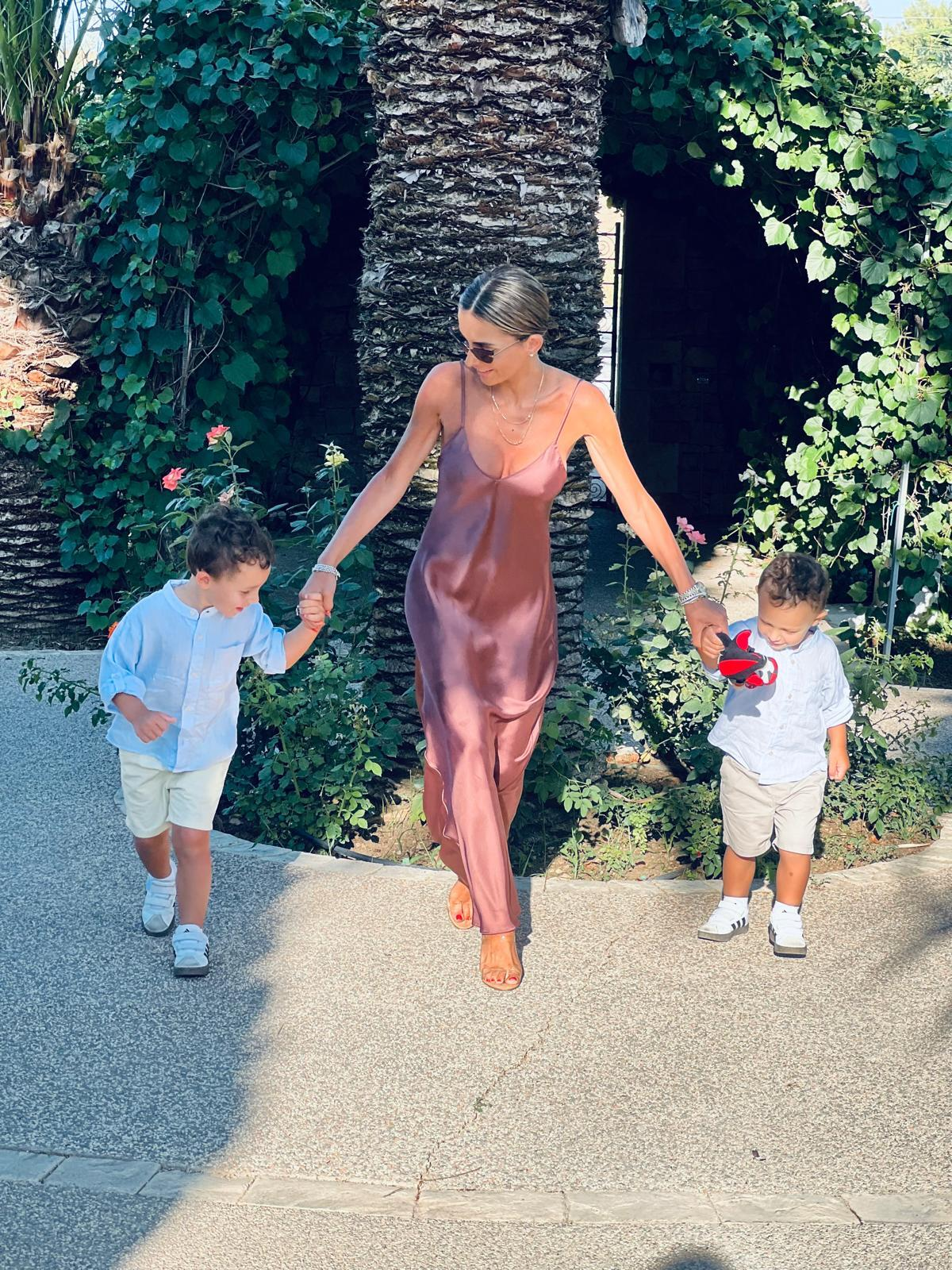
Economist Stephanie Fabri offers a poignant reflection on the emotional toll of working motherhood. “As a working mother of two, I carry both pride and a quiet, constant worry,” she says. “We plan schedules, manage deadlines, calm tears, and whisper to ourselves: ‘I’m doing my best.’ Yet, all around us are expectations – many unspoken – that we must never falter.”
She refers to the well-documented concept of the “second shift” – the unpaid and invisible labour that follows paid work, encompassing childcare, emotional support, and household management. “Society often expects so much, and offers so little margin for error,” she adds. “Women navigate systems designed around non-caregiving norms while shouldering the majority of care at home. Behind every appearance of balance are trade-offs and quiet sacrifices that go unseen.”
Dr Fabri urges workplaces to replace judgement with compassion. “We are not lazy; we are stretched. We are not neglectful; we are human. We are not failing; we are persisting,” she says. “The system needs to change, not us.”
A collective call for empathy and reform
Across these stories, one theme stands out: Flexibility and understanding are the cornerstones of supporting working mothers. Whether through cultural change, employer empathy, or policy innovation, all three women agree that genuine progress lies not in expecting mothers to do more – but in building systems that allow them, and their partners, to share the load fairly.

Sleep and Sundays – when do Malta’s CEOs switch off?
We asked some of Malta’s top CEOs and business leaders how much sleep they get every night and whether they ...

GO-backed ‘unicorn’ Airalo ‘validates our strategy,’ says CEO Nikhil Patil
GO CEO pointed to the group’s early investment in eSIM leader Airalo a few years before it achieved unicorn status.
Valerie Spiteri appointed Head of Corporate at 242.group
Valerie Spiteri brings experience in operations, HR and corporate governance.
‘If you are not an exceptional communicator, remote work may not be for you’
As remote and hybrid models become the norm across Europe, one founder argues that most professionals are overestimating their ability ...
