


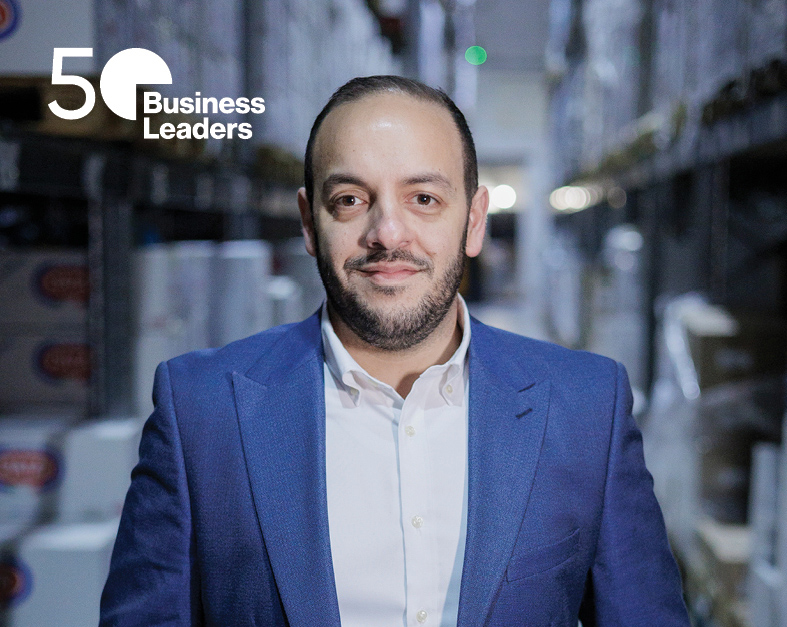
Carlos Abela’s journey with Nectar began at a pivotal moment, both for his family and for the business. “I joined the business around 15 years ago, just a few months after our father, Charles Abela, who founded Nectar, passed away,” he recounts. At that time, his siblings were already deeply involved, having been instrumental in building the company alongside their father from its early days.
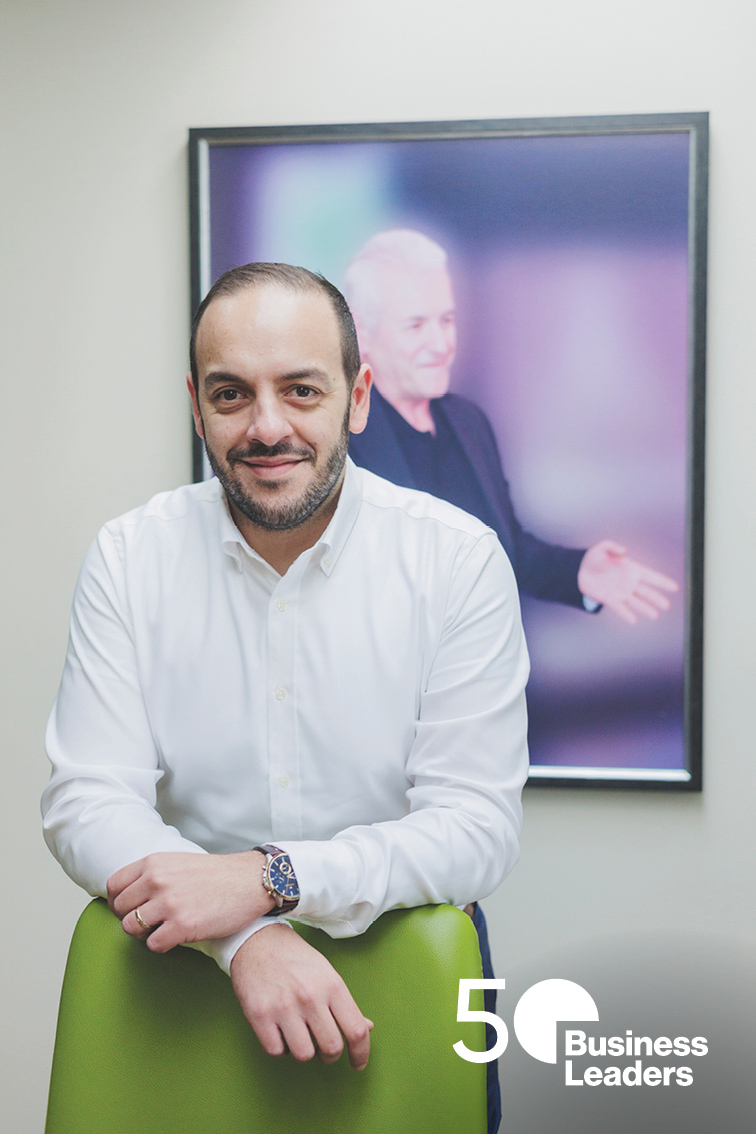
Joining during this period meant stepping into an organisation with strong foundations, but also at a time when the family was collectively focused on continuing and strengthening the legacy their father had built. Carlos gained experience across sales, brand management, and commercial strategy – a journey that helped him understand the business from the ground up. “I came to appreciate the many moving parts involved in building a successful distribution company,” he says.
Over the past three and a half decades, Nectar has grown into one of Malta’s leading FMCG distribution companies, managing a diverse portfolio of local and international brands. In his current role as Chief Commercial Officer, Carlos guides the company’s commercial strategy, focusing on strengthening partnerships with international brands. “Ultimately, our role is to bridge international brands with the Maltese market in a way that creates long-term value for both,” he explains.
While many people simply see the end result – products on shelves – behind that lies a complex operation involving brand development, logistics, market insight and specialised teams working together to bring those products successfully to the Maltese market.
The team considers reaching its 35th anniversary as a significant milestone, particularly as Nectar entered the market later than many of its competitors. “From the beginning, our approach was to focus on building the business patiently,” Carlos notes.
This long-term mindset is evident in their brand development strategy. “Several of the products that are now market leaders in their categories were relatively unknown when they were first introduced to the Maltese market. Building those brands required patience, consistent investment and a long-term commitment,” he explains.
Maintaining this perspective in a dynamic, trend-driven industry requires a balance between agility and strategic discipline. Nectar achieves this through the careful selection of brands it chooses to build, rather than simply following fleeting trends. “In recent years, this has included the integration of brands such as Blue Dragon, Stuffer, and Polaretti, which have further strengthened our presence across different product categories within the Maltese market,” he maintains.
The company has also invested heavily in its organisational structure, developing specialised sales teams and proprietary IT tools developed in-house specifically around the needs of the business that help it stay closely connected to market activity and make better-informed commercial decisions.
And now, this strategy of patient, long-term growth is underscored by the company’s recent move to acquire CP Trading.
“The integration of CP Trading represents an important step in Nectar’s long-term growth journey,” Carlos states. While Nectar has built strong positions across both retail and foodservice channels over the years, the acquisition of a portfolio that includes well-regarded brands like Caputo flour, Caffè Vergnano, Pregel and Debic reinforces its leadership in the foodservice sector. “The acquisition is about expanding our ability to support professional kitchens across Malta with a broader and more specialised portfolio.”
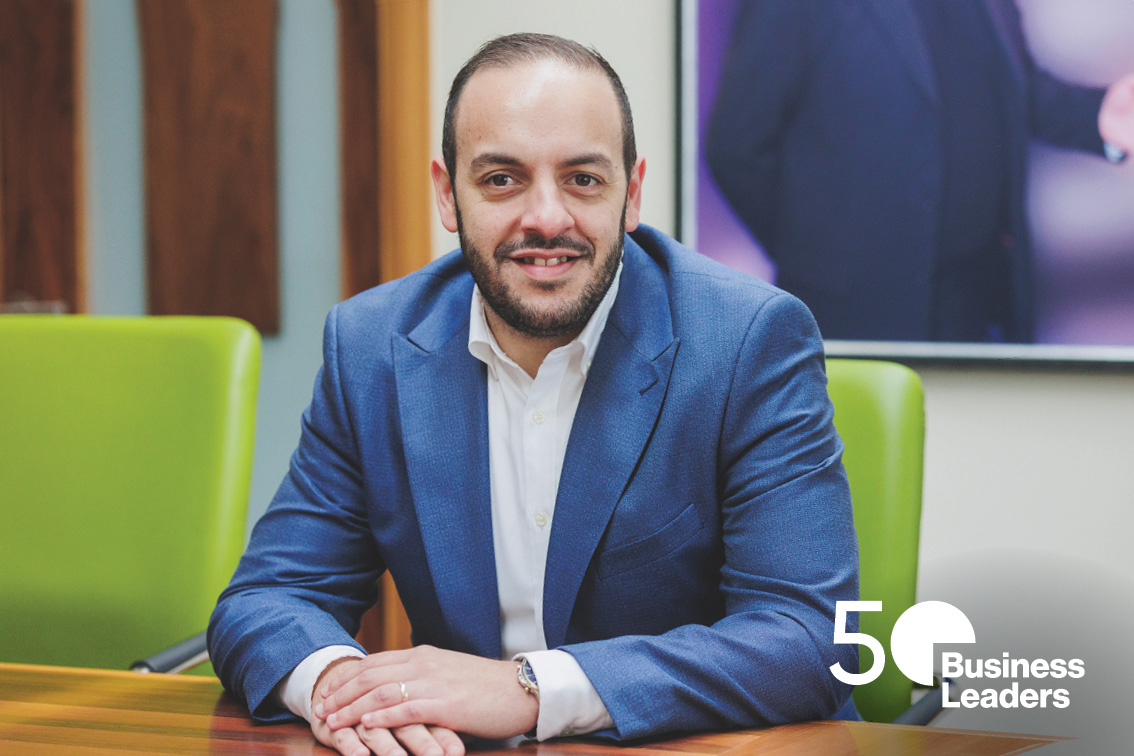
Beyond this integration, the company is focused on strengthening its foundations for future growth through continued investment in its logistics infrastructure and internal technology. This includes ongoing investment in its centralised distribution centre and expanded warehousing facilities, supporting ambient, chilled and frozen storage, ensuring the company is well positioned for continued growth and evolving market demands.
Fostering a culture that encourages long-term thinking is paramount. “We often prefer identifying young talent and developing them within the company,” Carlos reveals. “This allows us to instil our values from the beginning and helps create a strong sense of shared purpose.”
Over time, this approach has also created clear opportunities for internal growth, with many of the company’s managers having progressed through the organisation.
Looking ahead, Carlos sees a Maltese retail landscape that presents both challenges and opportunities. “In this environment, distributors increasingly need to act not just as logistics partners but as strategic partners for the brands they manage,” he asserts.
For a well-prepared company like Nectar, this evolution creates significant opportunities for continued growth.
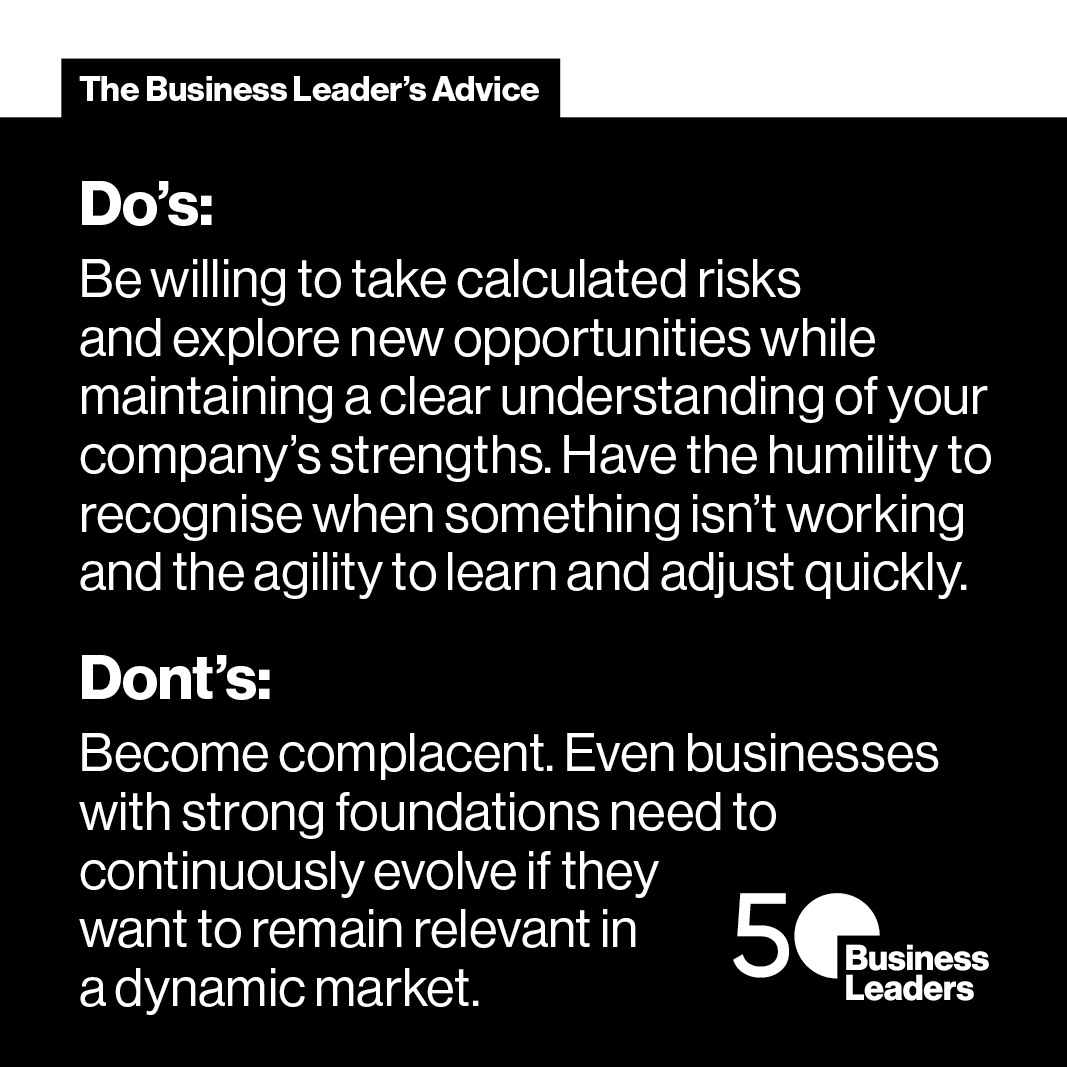
Imparting a piece of advice for aspiring leaders, Carlos says: “Remain curious and open to learning. No matter how much experience you gain, there is always something new. Leadership is about bringing the right people together, creating an environment where they can grow and ensuring that everyone is aligned towards a common goal. In business, lasting success rarely comes from a single moment – it is usually the result of consistent effort and a long-term commitment.”
This interview forms part of the 50 Business Leaders project. The online serialisation on MaltaCEOs.mt will feature 50 distinguished business leaders, CEOs, and emerging business minds to create debate and encourage business leaders to share their journey with our readers.
Want to know more? Please drop us a line at info@maltaceos.mt

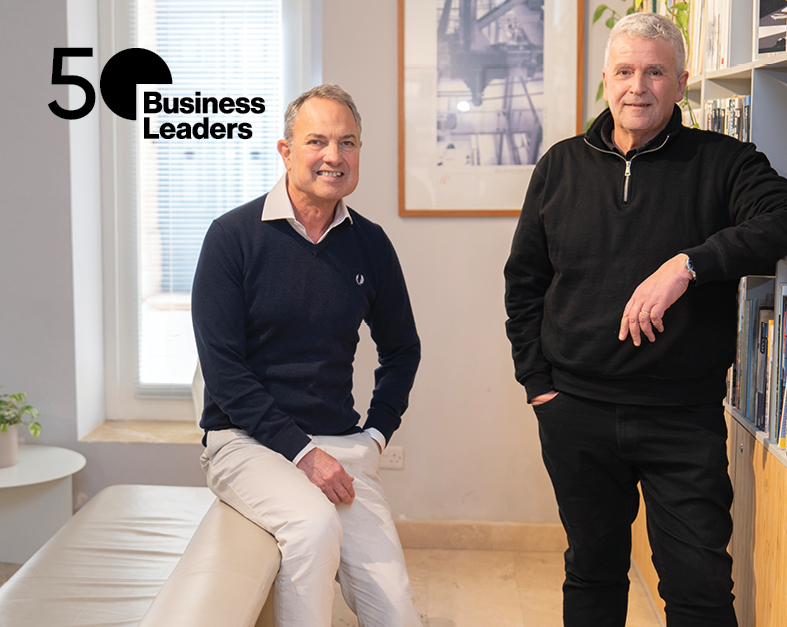
AP Valletta celebrates 35 years of cultivating the capital’s legacy to reshape its future
Founding partners David Felice and Konrad Buhagiar foreground the principles of integrity, honesty, sustainability and continuity that drive the practice.
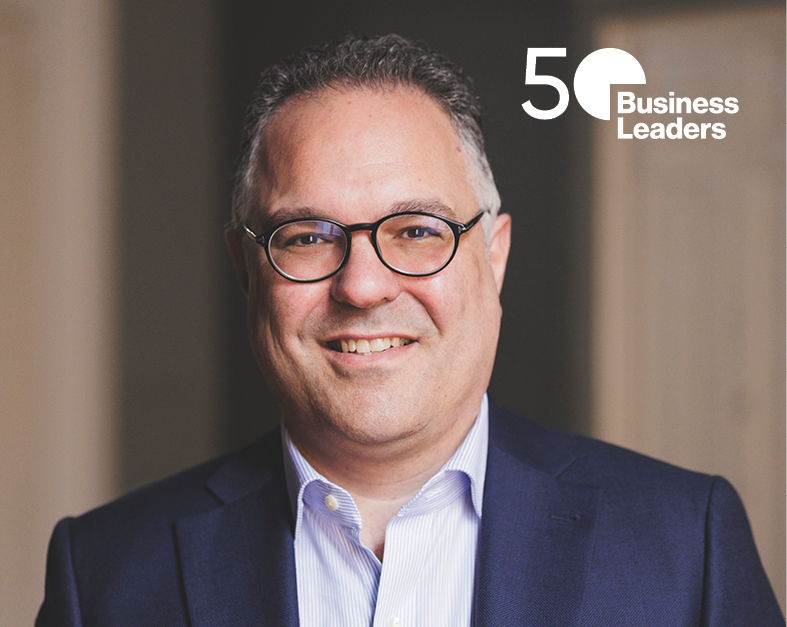
From oversight to foresight: Internal auditors set to bring more value to organisations
IIA Malta Chairperson Giancarlo Millo shares his vision for an Internal Audit profession that moves away from the traditional box-ticking ...
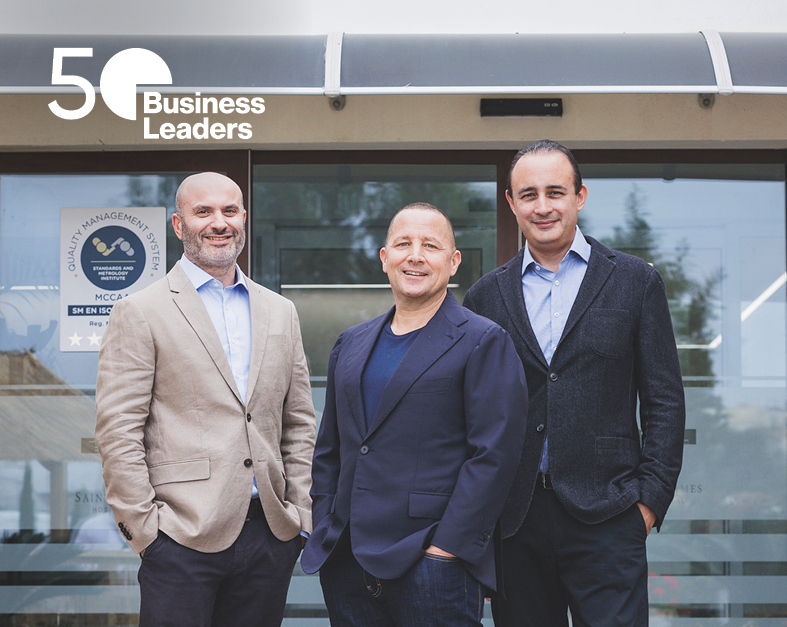
The leadership philosophy taking Saint James Hospital into the future
Saint James Hospital’s Jean Claude Muscat, Andrei Camenzuli and Dr Adrian Vella underscore the entity’s structured approach to servicing the ...
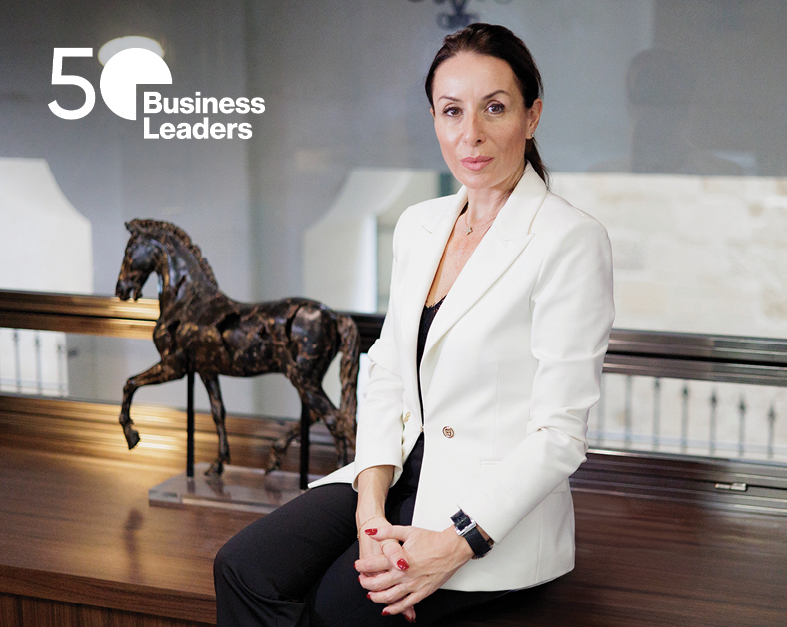
‘Structure, creativity and accountability are the foundation of a successful organisation’ – Veronique Dalli
The founder of Dalli Advocates discusses the importance of adaptability in Malta’s evolving legal landscape.
