



Gross wages in Malta’s services sector increased during 2023’s third quarter when compared to figures in the same period last year, showing signs of Malta’s very tight labour market and the rising cost of living.
These figures were released by the National Statistics Office (NSO) on Monday, highlighting the short-term services indicators for the third quarter of the year. After adjusting for seasonal effects and the working-day pattern, the total services turnover index increased by 1.6 per cent between 2023’s second and third quarters.
The services sector is comprised of motor trade, wholesale trade, retail trade, transportation and storage, accommodation and food service activities, information and communication, real estate activities, professional, scientific and technical activities, as well as administrative and support service activities.
The NSO highlighted that when compared to the previous year, the indicators for the number of people employed increased by four per cent, while gross wages and salaries sharply rose by 7.7 per cent.
The index for number of hours worked were also on the rise but at a slower pace than wages, going up by 4.3 per cent from figures in the third quarter of 2022.
The services sector is highly driven by transport, hospitality and catering, all industries which greatly benefitted from Malta’s full return to normality following the COVID-19 pandemic.
Turning to quarter-on-quarter results more specifically, the NSO found that during the third quarter of the year, the index of the number of people employed within the services sector increased by 0.2 per cent from the second quarter.
Interestingly, gross wages and salaries index within the sector increased at a more rapid rate at 1.7 per cent, even though the number of hours worked index decreased by 0.6 per cent.
This is largely fuelled by the tight labour market that employers have had to contend with, driven by inflationary pressures, skills shortages, and cost-of-living challenges.
Workers have requested higher rates of pay from employers, and given their limited options available, businesses have had no choice but to pay more for talent, hire foreign workers, or invest in the upskilling and reskilling of their current employees.
One of the options available to many employers within the services sector, that of the recruitment of non-EU workers, is set to take a massive hit next year through the introduction of a skills card. Under the new measure, non-EU workers seeking employment at hotels, bars and restaurants will need to pass an initial skills card assessment before their visa and work permit applications are processed. The mandatory training course and assessment will come in at €450, with applicants also required to pay an additional €125 for an in-person assessment they need to undergo in Malta.



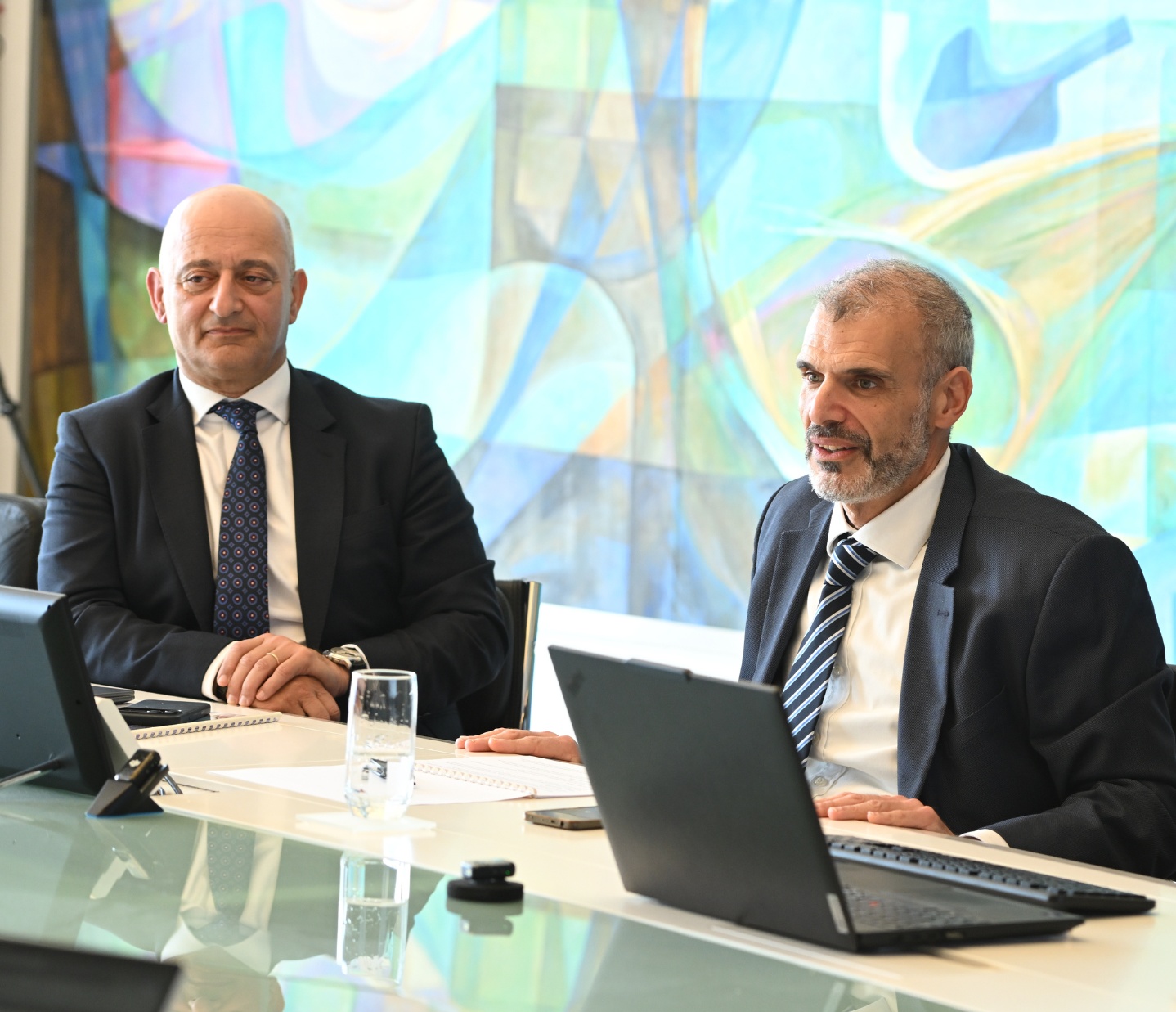
BOV reports strong performance as leaders highlight bank’s role in Malta’s economic resilience
Ahead of BOV's AGM, CEO Kenneth Farrugia and Chairman Gordon Cordina discuss the Bank's performance, economic role, and future priorities
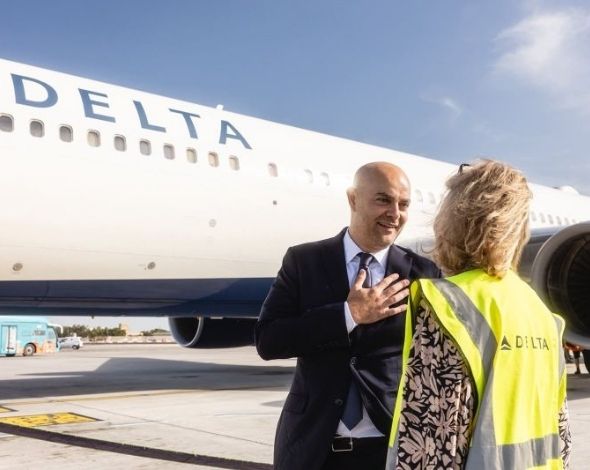
Airport CEO frames new Malta – New York route as shared tourism sector obligation
Alan Borg stresses that sustained success will depend on delivery across the tourism value chain.

Lift Services CEO pays tribute to much-loved colleague Jithin
Alexander Chetcuti said Jithin had a remarkable way of brightening the day of those around him

Summer office style: 10 trends professionals can wear to work
Silk scarves, polka-dot blouses, colour-blocked dresses, and lightweight striped shirts.
