


Every Chief Executive in Malta has the same concern: finding quality staff. Yet, the data shows Malta's labour market issues go beyond just supply. Many companies are losing this competition without realising it.
According to the National Statistics Office, Malta had 9,798 job vacancies in the third quarter of 2025. The national job vacancy rate is now at 3.4 per cent, while unemployment remains low at 2.7 per cent.
In this market, you cannot simply post a vacancy and wait. You need to actively compete for talent that wasn’t even looking until you caught their eye.
Companies that understand this dynamic are filling roles quickly, while those that don’t are watching vacancies remain open for weeks and months.
What the data shows
Data from jobsinmalta.com, Malta's largest employment portal by volume and daily active users, shows that the average job listing now takes over 70 days to fill.
Three key patterns contribute to this 70-day average:
- Job descriptions often include unrealistic requirements that do not match the offered compensation.
- Candidates expect salary transparency from the start.
- Companies often underestimate the importance of the “About Us” section. Top candidates have high standards and assess a company's culture and work environment as thoroughly as they consider the salary.
These details are crucial. In a tight job market, they can mean the difference between filling a role in less than 30 days and a vacancy lasting for months.
Speed as a competitive advantage
At KonnektTalexio, we often see strong candidates receiving multiple job offers within days of starting their search.
If your internal hiring process requires three rounds of approvals before a second interview can be scheduled, by the time you reach a decision, the candidate has already accepted something else.
The talent shortage stems from a lack of competitiveness in hiring practices. Delays in the hiring process can reflect inefficiencies that are often noticed by candidates. Speed shows commitment, while slow processes convey the opposite.
Hiring as an ongoing activity
What distinguishes companies that fill roles quickly from those with longer hiring times? Two factors: infrastructure and mindset.
According to NSO data, larger companies usually have lower vacancy rates, around 1.1 per cent, compared to the national average of 3.4 per cent. They achieve this because they maintain a strong presence in the market through effective employer branding, internal mobility and well-resourced HR teams.
For companies lacking this infrastructure, waiting until a vacancy becomes urgent is costly. A role that takes 70 days to fill incurs real costs: lost productivity, increased pressure on existing teams and sometimes missed business opportunities.
Successful companies treat recruitment as a continuous marketing effort rather than a one-time task. They broaden the talent pool by offering hybrid or remote work and supporting international relocations. They focus on skills-based hiring, evaluating what candidates can do now instead of filtering by potentially irrelevant credentials.
Most importantly, they remain visible to Malta's talent pool throughout the year, not just when they have vacancies.
What this means for you
If your business has roles that frequently reopen or vacancies that don’t get filled in fast, ask not “where is the talent?” but "why would a high performer leave a stable job to join us?"
The answer lies in your job descriptions, interview process, speed of decision-making and the narrative you present about your company. These are all areas within your control. In this market, you cannot afford to overlook them.
jobsinmalta.com attracts over 100,000 monthly visits, giving employers access to one of the island’s most active talent pools. However, just having reach won’t fill roles. Competitive offers, a strong employer brand and a swift hiring process are key factors in attracting the right candidates.
While vacancy rates continue to rise, unemployment remains at historically low levels. Companies that adapt to this changing labour market will reduce both the time and cost of hiring. Those that fail to evolve are likely to face ongoing recruitment challenges and repeated hiring cycles with limited results.



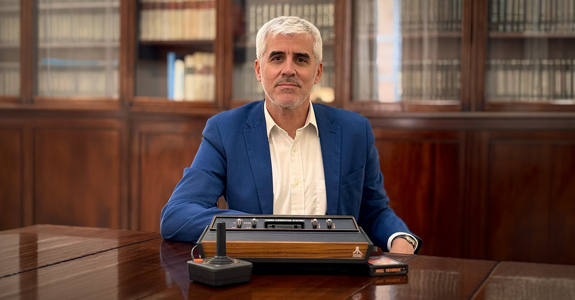
Fenech & Fenech Advocates appoints Antonio Ghio as Chief Innovation and Technology Officer
Antonio Ghio is an IT Law expert and has been with the firm for the past 25 years.
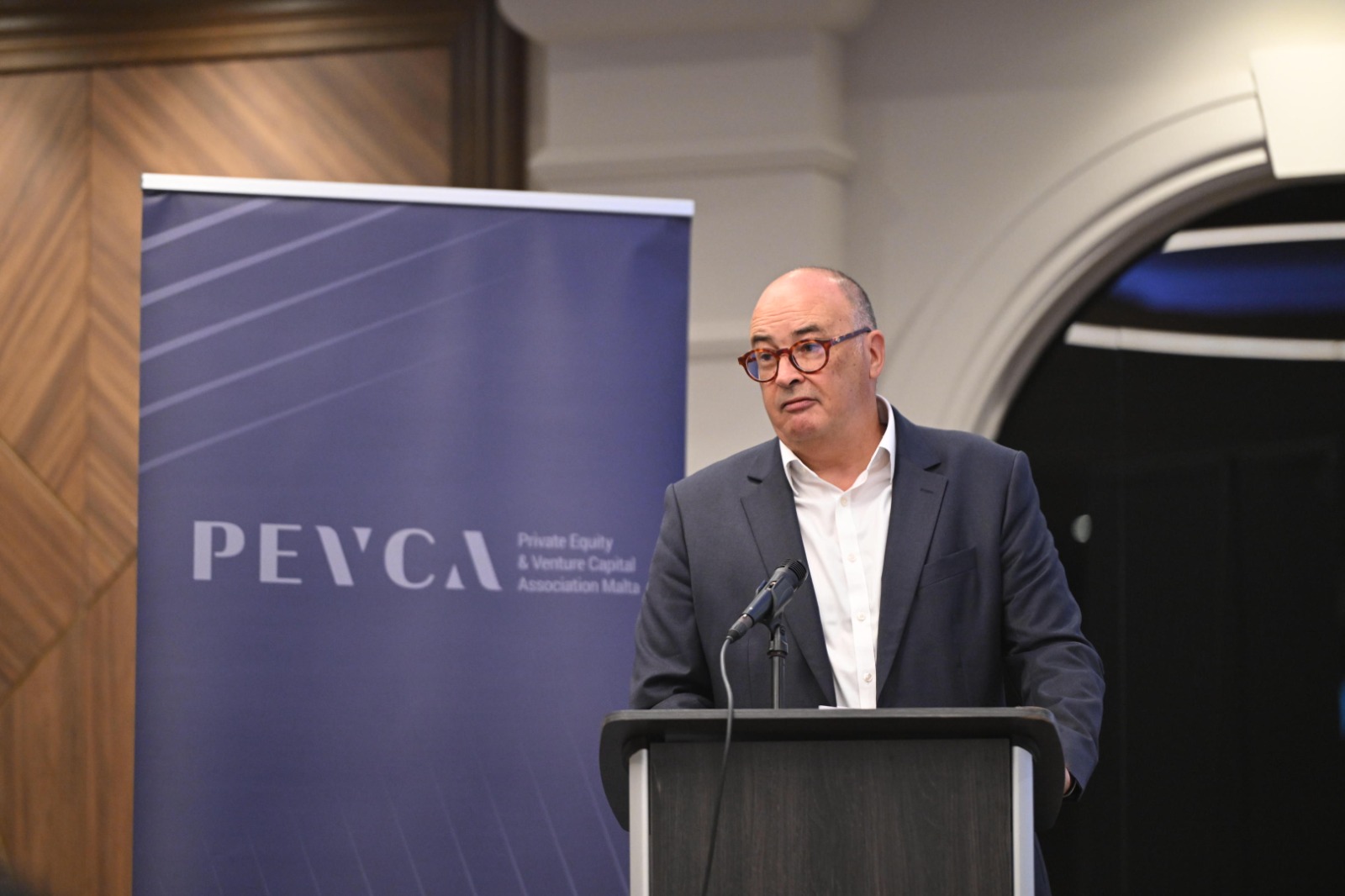
‘Considerable potential’ for Malta to develop as a private equity and venture capital hub – PEVCA head
He said that private equity and venture capital play a vital role in modern, innovation-driven economies.

Nancy Pavlaki appointed Chief Financial Officer at Ramla Bay Resort
Prior to taking up the post, she worked in a number of financial positions in the hospitality industry.

Kyle Antoni Pace Cumbo appointed Chief Commercial Officer at Iniala
'I’m incredibly excited about what comes next,' he said.
