


Newly graduated accountants are entering a profession that has already been rewritten., argued one of Malta’s top accounting professionals, with the explosive new tool that everyone is talking about: AI.
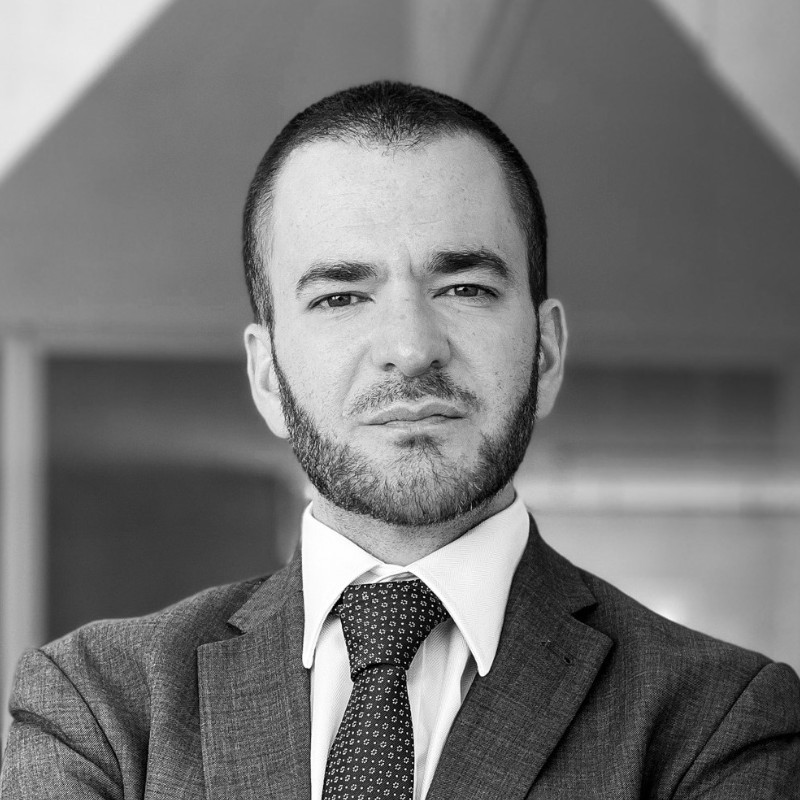
“When I graduated in 2005, my early years were spent vouching invoices, summarising documents and preparing reconciliations,” says John Debattista, Director at Deloitte Malta, reflecting on LinkedIn. “I didn’t enjoy it at the time, but that work trained judgement. It’s how I started building real experience.”
Much of that foundational work no longer exists. Automation and artificial intelligence have absorbed it, fundamentally altering how young professionals learn the craft.
“Today, a lot of what we once considered ‘training work’ is done instantly by machines,” Mr Debattista noted. “So the obvious question is: where do graduates build experience now?”
As long-time audit professional Hilary Galea-Lauri recently also noted on LinkedIn, AI has emerged as a “double-edged catalyst” for the Big Four: Disrupting consulting while enhancing audit. While consulting arms face pressure as clients bring AI capabilities in-house, audit practices are seizing the opportunity to automate repetitive tasks, improve compliance, and unlock new levels of quality and insight.
As AI becomes embedded across accounting and advisory functions, the expectations placed on new entrants are shifting. The bar is higher, but not necessarily in the right way.
“What I’m seeing is that many graduates are being pushed into a new kind of low-value role: reviewing AI output,” he said. “They’re checking whether something looks right, validating decisions that were already made by a system.”
Mr Debattista believes this role is temporary at best.
“In my view, that’s not where real value sits, and it won’t last,” he said. “Over the next decade, even that role will disappear. Systems will become more reliable, more explainable, and less dependent on human validation.”
Instead, he argued, the real shift in value lies further upstream.
“Value won’t come from validating what AI produces,” Mr Debattista explained. “It will come from shaping how it thinks.”
That shift requires a different mindset, and a different skill set.
“The professionals who will matter most are those who can challenge AI decisions, engineer smarter prompts, embed judgement into models, and partner in the design of these systems,” he said. “Not those who simply police the output.”
For Mr Debattista, this is not about diminishing the role of judgement, but elevating it.
“Judgement doesn’t disappear because of automation,” he added. “It becomes more important, not less. The difference is that judgement is now applied to systems, assumptions, and logic, rather than individual transactions.”
This has implications not just for graduates, but for firms, educators, and professional bodies.
“If we train people to be better AI reviewers, we’re preparing them for a role that won’t exist for long,” he says. “If we train them to be AI architects, we’re giving them a future.”
Looking ahead, Mr Debattista is clear about where competitive advantage will sit.
“The professionals who will win won’t be better at checking what AI produces,” he concludes. “They’ll be the ones who understand how to shape it.”
Mr Debattista’s warning lands at a moment in the new year when technology leaders are increasingly questioning whether rapid AI adoption is being matched by real strategic depth. As 2025 exposed fragile foundations beneath record investment and strong headline performance, the challenge for 2026 is less about deploying more technology and more about embedding judgement, accountability and intent into the systems being built.
With cybersecurity experts warning that AI is accelerating risk faster than organisations are adapting, and investors acknowledging that businesses are moving beyond experimentation into deeper structural change, the message is consistent: leadership can no longer sit at arm’s length from technology.
In this environment, the future of the profession – like the future of leadership itself – will belong not to those who review systems after the fact, but to those who help design them with clarity, responsibility and human judgement at the core.
Sullivan Maritime Founder Ernest Simon Ellul Sullivan passes away
The company has extended its sincere condolences to his family and loved ones

AI, pedagogy and the risk of ‘smoothing’: Vanessa Camilleri on what may be lost
If learning continues to be defined by what can be measured and optimised, other forms of knowledge risk becoming harder ...

‘You don’t feel out of place’: Luciano Anastasi starts university at 64
The former MAPFRE Chief Information Officer reflected on his decision to pursue his passion for history.

Garreth Attard appointed as Head of People, Culture & Events at Dr Juice
'I’m looking forward to this next chapter,' says Garreth Attard following his promotion after six months with the company.
