



At a time when Malta’s financial services sector continues to expand in sophistication and reach, a more personal question framed the Malta Women & Finance Summit 2026: How confident do women really feel when it comes to money?
Organised by Business and Professional Women (BPW) Valletta Malta in collaboration with Market Accents and Capable Minds, the half-day summit is bringing together women at different life stages to discuss financial decision-making in a space intentionally designed to be non-technical, practical and accessible.
Rather than focusing on products or policies, the summit addressed a quieter but more persistent issue: The confidence gap that shapes how women engage with banking, insurance, investments, pensions and entrepreneurship support systems throughout their lives.
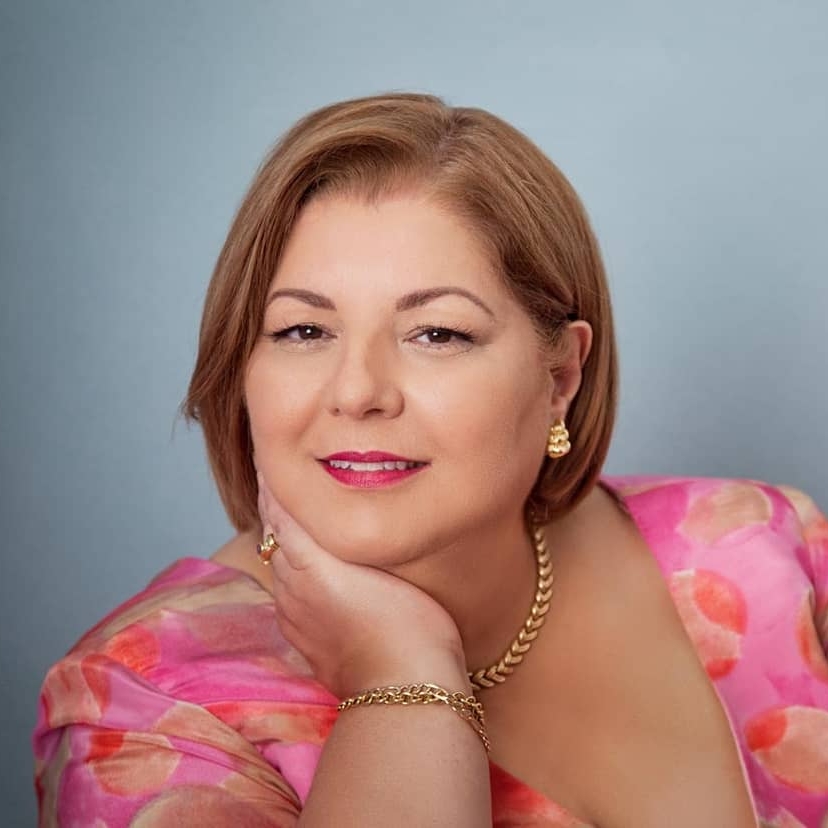
In her opening remarks, BPW Malta President Mariella Camilleri challenged attendees to reflect on the everyday financial responsibility women already carry – across careers, households and caregiving roles – often without recognising it as financial management.
She framed the discussion around the tangible consequences of low financial confidence, noting that hesitation and uncertainty frequently lead to delayed decisions and missed opportunities. Greater control over finances, she explained, is closely linked to personal freedom – the ability for women to navigate life on their own terms.
Importantly, she positioned the summit not as a technical conference, but as a forum for open discussion about money in a way that feels relatable rather than intimidating.
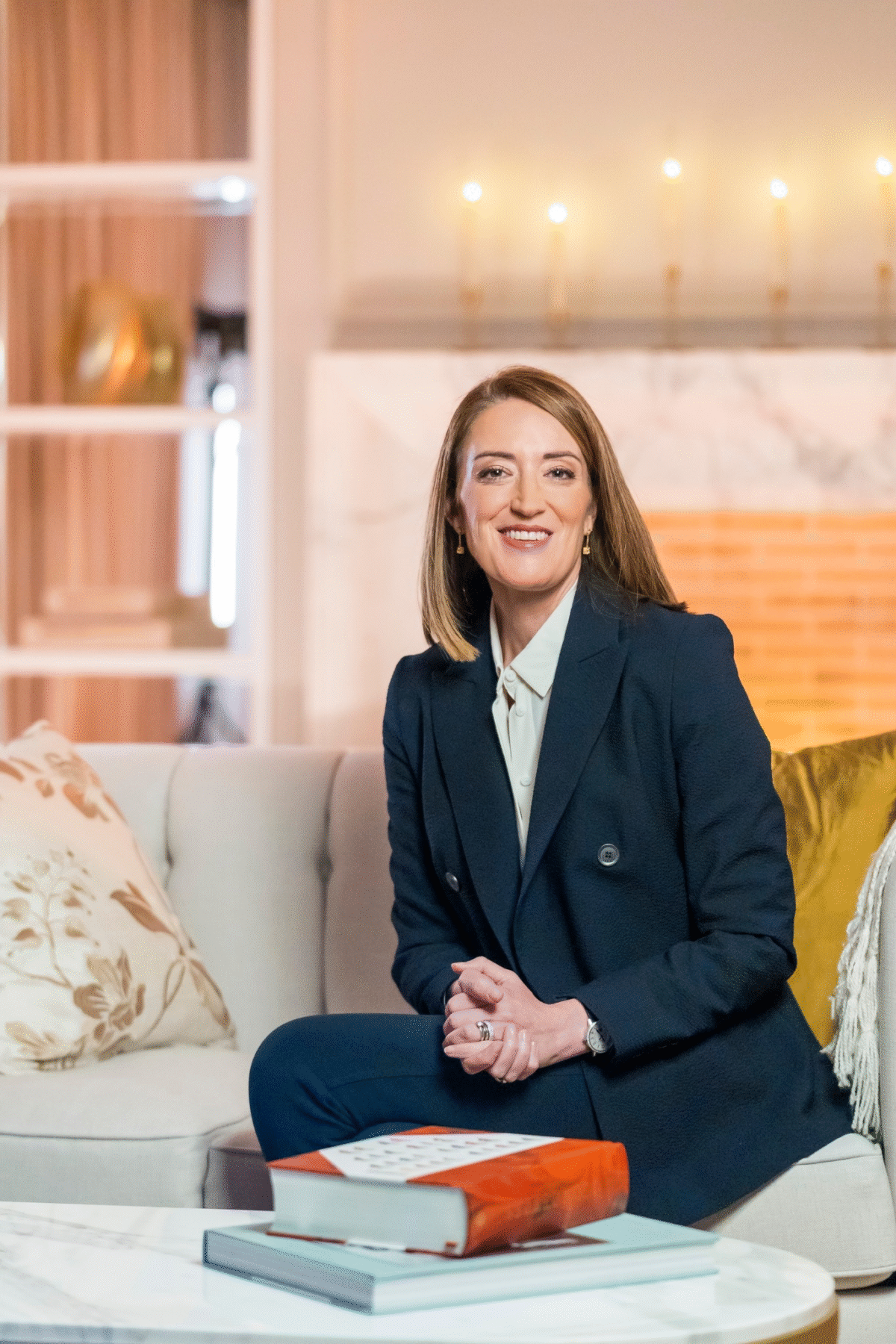
A video message by Roberta Metsola placed the discussion in a wider European context. She highlighted that Malta records the largest pension gap in the European Union and ranks among the lowest in financial literacy indicators.
Addressing these gaps, she noted, is not only a matter of individual empowerment but also one of economic and social impact – from reducing poverty risks to strengthening participation in the economy. She pointed to ongoing EU efforts to accelerate legislation and enforcement around pay transparency as part of a broader attempt to address structural inequalities that affect women’s long-term financial security.
Understanding money through a woman’s lens
The keynote address by Ghita Ramdhiansing, founder of See Suite, shifted the discussion from systems to psychology.
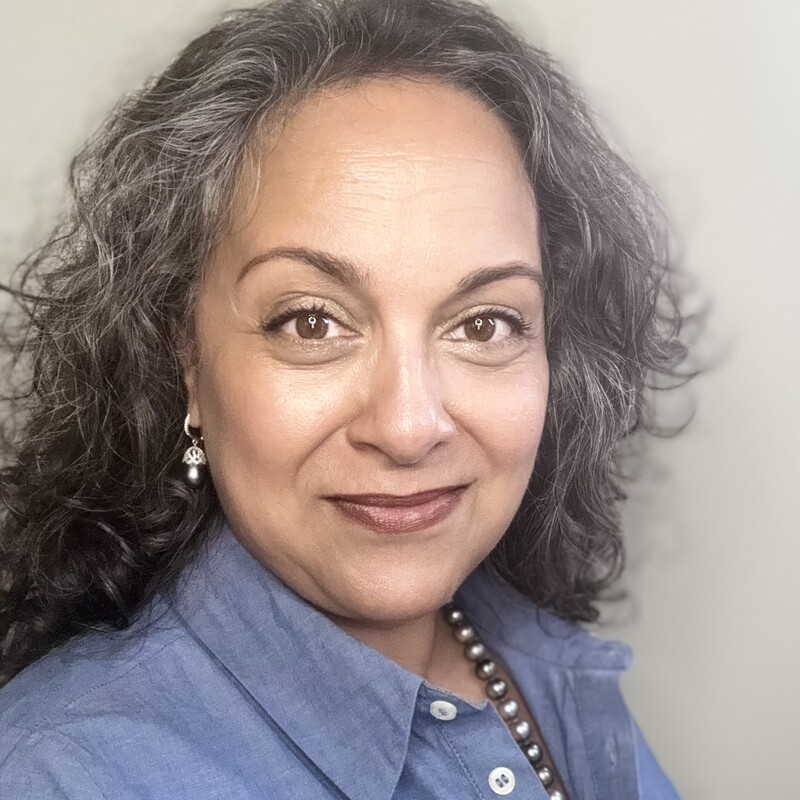
Drawing on over three decades in business, her Dutch background, and eight years living in Malta, she focused on a theme often overlooked in financial education: the relationship people have with money.
She argued that money is rarely treated as a topic for open conversation, even though it shapes everyday decisions. What has changed over time, she suggested, is not the sensitivity of the topic, but society’s growing willingness to discuss it.
According to the research she referenced, financial decisions are driven far more by psychological factors than by pure logic. Money, she explained, represents values, fears, aspirations and personal beliefs, not just numerical figures on a statement.
To illustrate this, she asked the audience what they would do with an unexpected €500. The answers varied widely – from spending on personal items to investing – with some pointing out that even a purchase like a handbag could, in certain contexts, be considered an investment. The exercise underlined how personal perceptions of money influence behaviour.
When participants were asked what money represents to them, responses included confidence, independence, power, control, security and status. These associations, she noted, determine how individuals interact with money on a daily basis.
She also touched on familiar patterns such as “I deserve this” spending, drawing laughter from the audience, while inviting reflection on how consciously such decisions are made.
Her central point was that when money is viewed as a tool rather than an emotional symbol, attention naturally shifts from fear and hesitation to opportunity and choice – a key step towards financial confidence.

Buddy Co-Founder Jonathan Mifsud reflects on startup journey as David Seisun steps down as CEO
He will be shifting his full focus to the hospitality industry.
Europe’s ‘marginalisation’ a ‘make-or-break’ moment for EU – Giovanni Bartolotta
Europe ‘needs to find a role in the new global order,’ says the Chief Risk Officer at APS Bank.
Roderick Psaila appointed Non-Executive Chairman of Malita Investments
Marvin Gaerty will remain on the Board as an NED after being Chairman for less than 10 weeks.
From oversight to foresight: Internal auditors set to bring more value to organisations
IIA Malta Chairperson Giancarlo Millo shares his vision for an Internal Audit profession that moves away from the traditional box-ticking ...
