



The workplace in 2025 is set to be shaped by trends that underscore the importance of wellbeing, with a spotlight on improving workplace culture and flexible work arrangements.
Recent analysis of Google search data reveals key themes likely to influence workplaces in the coming year, offering insights into how businesses can adapt to ensure success.
Rising focus on workplace wellbeing
Search data highlights a growing interest in workplace wellbeing. Over the last three months, searches for terms like “sexual harassment” have surged by 131 per cent, underscoring the need for improved workplace culture.
Additionally, searches for “annual leave meaning” increased by 40 per cent, while “work burnout” rose by 24 per cent. Together, these trends suggest significant challenges around employee burnout and work-life balance. Regular use of annual leave and a focus on healthier working habits could help address these issues.
Interest in remote work has also grown, with a 30 per cent rise in searches over the same period. This aligns with many businesses returning to office-based work at the end of 2024, but it also reflects employees’ continued desire for flexible arrangements.
Addressing workplace culture
Negative workplace culture remains a pressing issue for 2025. Recent changes to the UK’s Equality Act in October 2024 have placed greater emphasis on employer responsibilities, particularly around preventing sexual harassment.
To foster a positive work environment, organisations can implement strategies such as using surveys and focus groups to identify root causes of workplace issues, aligning employee behaviour with organisational values through clear expectations and accountability, and providing leadership training to help managers create supportive and inclusive atmospheres. Encouraging employee feedback through open communication channels and addressing toxic behaviours by introducing diversity training and enforcing respectful workplace policies are also key measures for cultivating a healthier and more productive workplace culture.
By adopting these measures, businesses can improve employee retention and productivity while mitigating the risks of a toxic work environment.
Prioritising mental health and reducing burnout
Mental health remains a key priority for 2025. Encouraging employees to use their annual leave and integrating wellbeing initiatives are critical steps to prevent burnout.
Organisations can prioritise mental health by:
- Implementing flexible work policies, including hybrid models.
- Encouraging regular breaks and self-care.
- Incorporating mindfulness practices into daily routines.
- Reinforcing work-life boundaries.
Providing access to counselling, mental health days, and management training to recognise burnout symptoms can further enhance employee resilience.
Remote work: An evolving standard
Despite the mass return to offices at the end of 2025, remote and hybrid work models remain desirable for many employees.
Key benefits of remote work include increased productivity, as remote workers often report higher efficiency, improved employee retention driven by the appeal of flexible arrangements, and cost savings for both employers, who reduce overhead expenses, and employees, who save on commuting and other related costs.
To optimise remote work, businesses should encourage employees to maintain consistent routines, promote effective communication through tools such as video conferencing and team chat platforms, and provide support for setting up dedicated workspaces to enhance productivity and focus.




Malta can afford growth – now it must learn to deliver it
Focuses only on prices risks missing why affordability concerns keep worsening, argues Prof. Stephanie Fabri.
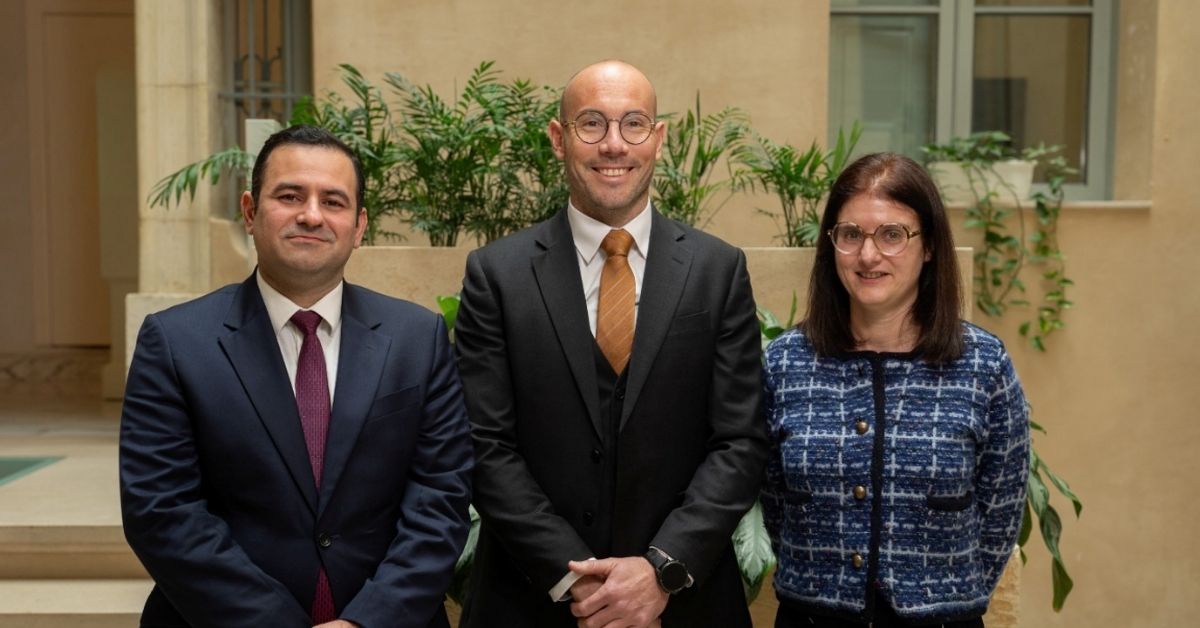
Ganado Advocates announces three new leadership promotions
Clement Mifsud-Bonnici, Philip Mifsud and Nadia Cassar have all been promoted.

Why the next generation of accountants must become AI architects – Deloitte Director
As AI becomes embedded across accounting and advisory functions, the expectations placed on new entrants are shifting.

Katarzyna Bronzewska appointed Head of Financial Crime Compliance at Multitude Bank
She will also take on the Money Laundering Reporting Officer role, having served on an acting basis since November.
