

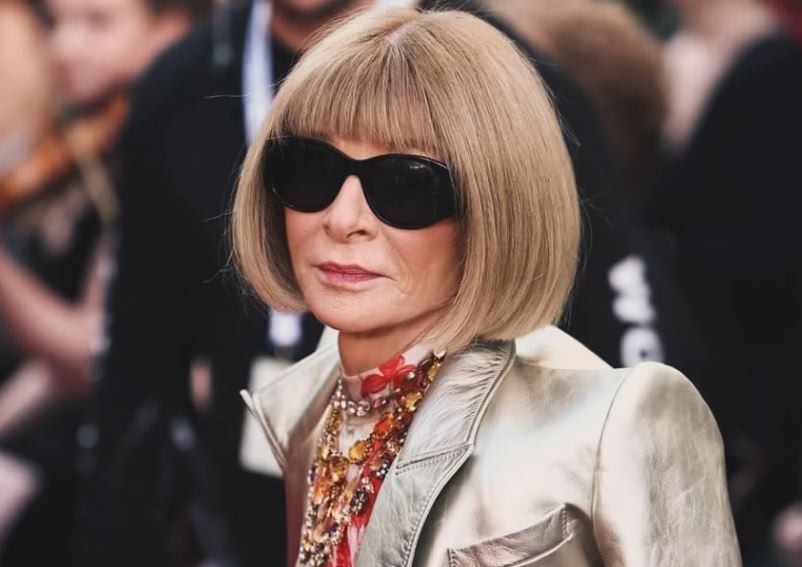
After 37 years at the helm of Vogue US, Anna Wintour has announced that the publication will soon be appointing a new Head of Editorial Content.
While the move marks a shift in her day-to-day role at the iconic fashion title, Ms Wintour is far from stepping away. Instead, she will continue to serve as Chief Content Officer for Condé Nast and Global Editorial Director for Vogue, overseeing a portfolio that includes GQ, Vanity Fair, WIRED, Bon Appétit, AD, Glamour and more.
“Anybody in a creative field knows how essential it is never to stop growing in one’s work,” she told staff during the internal announcement. “Now, I find that my greatest pleasure is helping the next generation of impassioned editors storm the field with their own ideas, supported by a new, exciting view of what a major media company can be.”
“This will enable her to make time for everyone who needs her,” Condé Nast CEO Roger Lynch told the Wall Street Journal, noting that Ms Wintour has been effectively doing three jobs since 2020.
Making a statement
Ms Wintour made a bold and memorable debut at Vogue with her first issue as editor-in-chief in November 1988.

For the cover, she featured 19-year-old model Michaela Bercu wearing a $50 pair of faded Guess jeans paired with an ornate $10,000 Christian Lacroix jacket. The image broke convention by blending high fashion with casual wear, so much so that the printing company initially called the magazine to confirm the cover choice, assuming it was a mistake.
It marked the first time a Vogue cover model had appeared in jeans, setting the tone for Ms Wintour’s disruptive, visionary approach and securing the cover’s place as one of the most iconic in the magazine’s history.
A masterclass in leadership
Beyond the glitz of the Met Gala and the covers that made fashion history, Ms Wintour’s approach to leadership has resonated far beyond the pages of Vogue. Her style – unflinchingly direct, clear in vision, and fiercely trusting of her team – has served as a playbook for leaders across industries.
She has long championed the value of decisive, purpose-driven management. “Just be true to yourself, and listen as much as one is able to to other people whose opinions you respect and look up to but in the end it has to come from you,” she once said.
Among the leadership practices she is best known for:
- Clarity of vision: She encourages leaders to embrace bold decisions, remain adaptable, and learn from mistakes rather than fearing them.
- Hiring for strength and difference: She believes in building diverse teams with varying perspectives, allowing leaders to delegate confidently while trusting the people around them.
- Feedback and communication: She advocates for direct and timely feedback, cutting through ambiguity to foster accountability and growth.
- Trust over micromanagement: While she maintains a close eye on details, she empowers others to lead within their roles, creating space for innovation.
- Purposeful meetings and routines: She is known for her highly structured workday – often beginning before sunrise – and for using meetings to keep teams aligned without wasting time.
Her influence on media, fashion, and leadership remains unmatched.
Featured Image:
Anna Wintour / Instagram
Related
From two routes to 53: MIA CEO praises Ryanair’s 20-year journey in Malta
Ryanair entered the Maltese market 20 years ago, initally with two flights to and from Luton and Pisa.
Malta must look beyond tax rates to remain internationally competitive, MIA CEO says
Maria Cauchi Delia speaks on Malta's competitiveness and Budget 2027 in a recent MIA conference.

The daves app is taking 24/7 convenience to another level
daves now is offering its customers a more convenient way to shop.
Malta’s maritime sector must look beyond ships and the national register, MMF chairman says
'Next phase of its development must be concerned not only with how much maritime activity passes through', he said
