


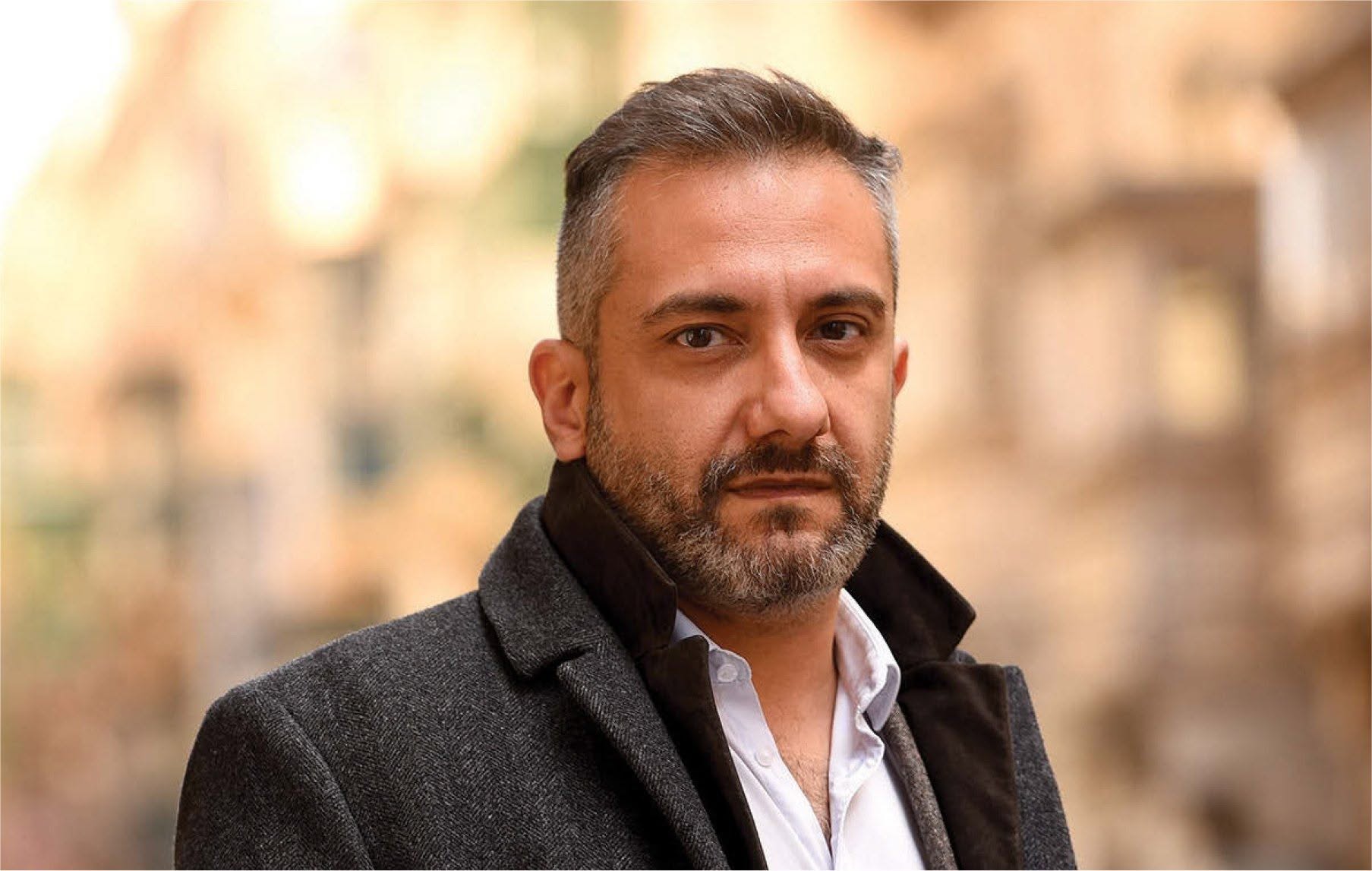
President of the Chamber of Architects and Civil Engineers Andre Pizzuto has welcomed the Government’s planning appeals reform proposal, but highlights the need to change how planning is applied in Malta, to move away from a system “based on speculation.”
The Government’s proposed changes to planning permit appeals are built around three main pillars: The automatic suspension of relevant planning permits when an appeal is filed, clearer deadlines for cases to be decided, and increased digitalisation and administrative support for the Environment and Planning Review Tribunal.
Contacted by MaltaCEOs.mt, Perit Pizzuto said that the Chamber has nothing negative to say about the reform, explaining that the controversy surrounding the planning bills last legislature was more based on other proposals, rather than the planning appeals reform itself. He said that what has been presented now is simplified and acceptable.
“It introduces the suspension of planning appeals, which is what people wanted, and also limits the terms of appeals proceedings. These terms are slightly longer than what we wanted, but its fine.”
Asked what other planning changes are required, he said that the Planning system as a whole needs to change “from one that is based on speculation.” He said that “It was set up that way, but we want to transition away from this.”
He said that the state should better plan the future of towns and villages and what they would look like before the private sector is brought in, adding that currently the private sector competes to buy land speculatively and drives up prices.
In the past, he had said that what Malta has are planning instruments to guide decision-makers in granting permits, and called this “development control, not planning.”
"Right now the Planning Authority doesn’t plan. Unfortunately, the general belief is that issuing or refusing permits is planning, Andre Pizzuto told this newsroom. "It's not."
Planning, Perit Pizzuto said, is the activity of analysing physical space, be it a local area in a town or an entire country, “and establishing a strategy on the optimal use of land to best serve the public interest.”
“Then there’s urban design, which is also not happening.”
Urban design is the activity of transforming that analysis into physical form, he said, looking at building mass, public space, infrastructural layouts, etc.
“This all leads to spatial plans and master plans. What we have instead is landowners making their own decisions on how to use the land, applying for permits on the basis of what they want rather than what the public interest demands. This is speculation”
In the short term, he also highlighted another planning issue that needs to be tackled.
He stressed the need for regulation changes given the work being done on the Building Codes, noting for instance that certain processes, like fire safety, should not be decided by the Planning Authority, but rather that these should be treated as building regulation issues.



Christian Debono joins VCFC as Chief Commercial Officer
'After 27 incredible years with HSBC, it’s time for a new chapter,' he said.
€6.9m subsea cable deal ‘the foundation for what we want to build in Cyprus’ – BMIT CEO
CEO Christian Sammut said BMIT ‘set out to broaden what the company is built on.’

Ruth Moisel appointed BridgeLink COO
'There is nothing quite like the energy of building something from the ground up', she said.
CEO says Computime ‘sharpening strategic direction’ and ‘reviewing leadership structure’
This, he said, will involve changes to certain leadership roles, the creation of new leadership positions.
