


As businesses in Malta and beyond negotiate their return to the office following a lengthy period of remote working as a result of COVID-19, much has been said about what the future of work should look like.
Business leaders and CEOs are faced with the difficult decision of what measures to retain, and to what extent, so as to capitalise on the lessons learned and factor in the dramatic mindset shift that the pandemic has brought about in their employees.
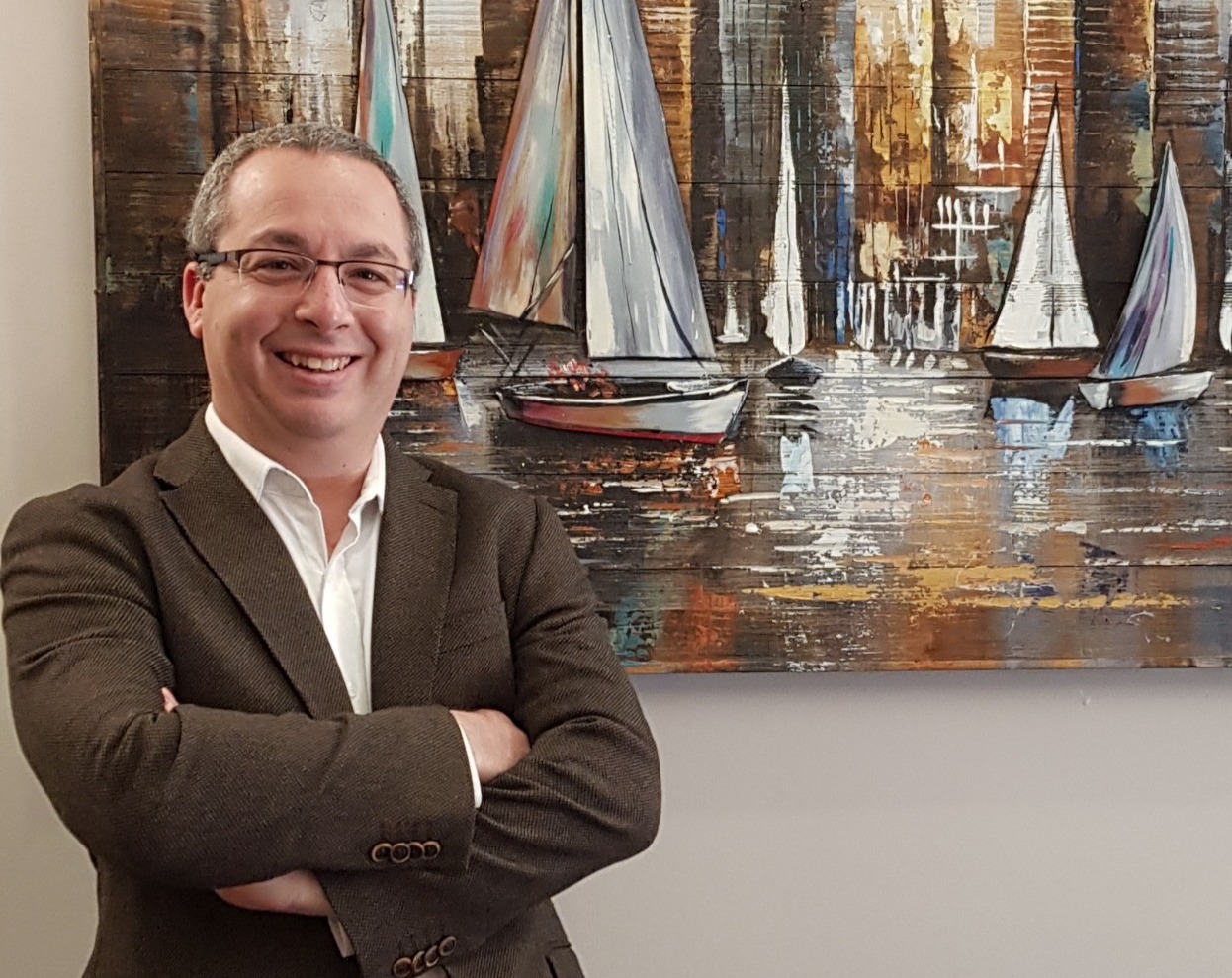
Weighing in on the debate, Joshua Zammit, Founder of boutique management consultancy Novargo, believes that the way forward need not be that is solely based on working at the office or at home, affirming that “neither one nor the other should be the way forward.”
Calling for a “humancentric” hybrid model, Mr Zammit draws on an article by Lynda Gratton of the London Business School featured on Harvard Business Review. “Two elements which we can use to think about designing flexible work arrangements are place and time which can be plotted on a 2x2 matrix,” he says, sharing a diagram highlighting different working arrangements.
He goes on to urge business leaders to answer a number of questions which are intended to help design a hybrid model that will work for their business. Unsure how to begin understanding what the future of work looks like for your company? The questions in his post, replicated above, can serve as a good starting point.
‘We want to build a group that will outlive us all’ – James Barbara
James Barbara brought a group of major businesses together under a new corporate identity.
LifeStar Insurance appoints economist Jean Paul Fabri as Interim Acting CEO
His appointment follows the departure of Jonathan Camilleri as CEO.
Building on Ferraracasa’s legacy: Third generation, next chapter
Joining an established family business brings a different challenge to building one from the ground up. The foundations already exist, ...
‘I dreamed of moving to Malta 20 years ago’: iQrypto CEO
Quantum tech firm iQrypto is set to expand its operations to Malta.
