


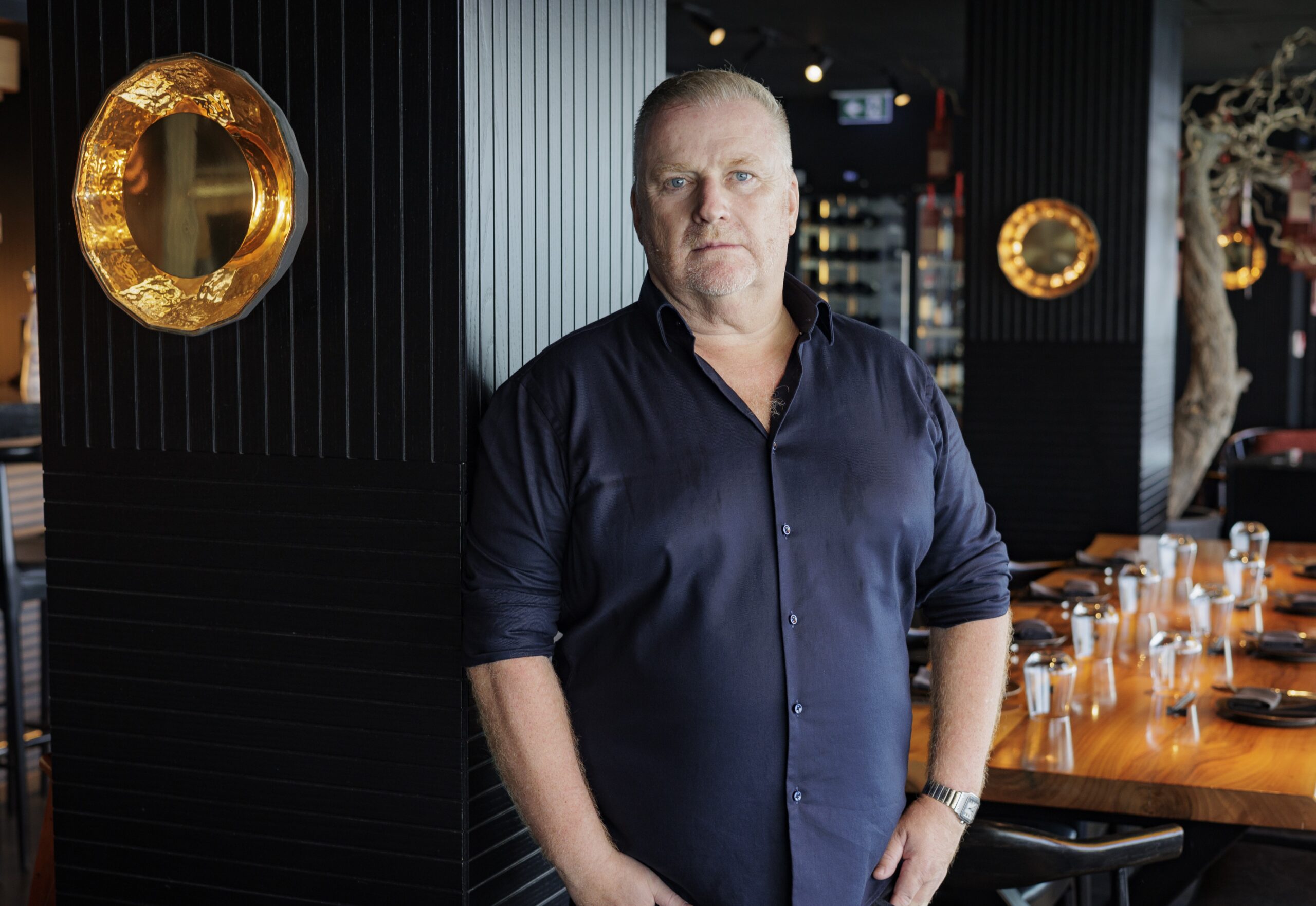
“For Malta, the potential for the hospitality sector is enormous,” says John Wiltshire, Chief Operating Officer of Lifestyle Group, the food and beverage subsidiary of DB Group. He points to Malta’s unique offering, where centuries of history meet its Mediterranean setting, as key to maintaining its appeal on the global tourism stage.
“In Yorkshire, where I’m from, we’re proud of our beer; in Italy, they are proud of their produce. But Malta can also become a hub for gastronomy, travel and tourism. People love to have different experiences, and they don’t necessarily come to Malta to party. Heritage is really important, and my advice to Malta is to make more of it,” he says.
Mdina is a case in point. When visitors arrive on the island, he explains, “they’re surprised that you have this city that is more than 2,000 years old.” Malta is also “a beautiful island, and it is strategically situated in Europe” – advantages that, he believes, should be more prominently showcased to strengthen its reputation as a destination for a more discerning market.
To attract high-end tourism, he advocates prioritising “quality development and wellness”.
“Wellness is a huge market and has, in many ways, overtaken more traditional forms of hospitality. However, Malta is not great at telling people about its potential in this space. You can attract people for water sports activities, for example, or visitors who want to explore locations where famous films have been shot. And if Malta becomes a gastronomic centre, you can have visitors arriving specifically to experience its flavours,” he explains.
He also believes Malta remains reasonably priced compared with some other Mediterranean islands, giving it an opportunity to compete on quality. “If quality is what you’re aiming for, then you need to focus on activities, legacy and what makes the place unique, such as its film industry. Malta could even become part of the yacht circuit. Quality is hard to achieve but, if you stay focused, it yields a return,” he insists.
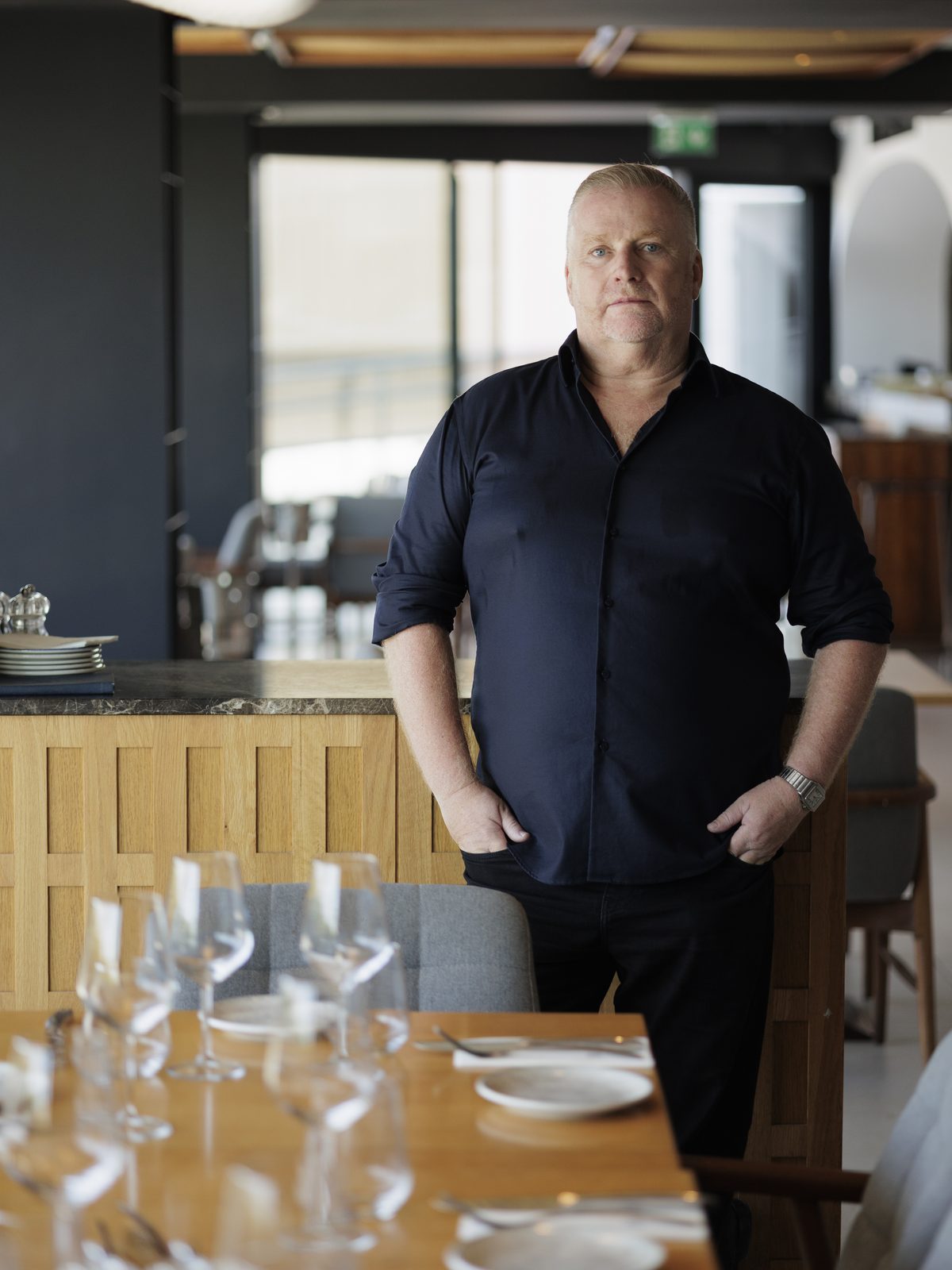
Mr Wiltshire’s outlook is informed by decades of experience in the international hospitality sector, having worked in London, Dubai and Saudi Arabia. At just 25, he was working as a Food and Beverage Director at one of Hilton’s largest hotels in London.
“I was the young boy on the block, trying to bring new ideas and innovation to Hilton, which is a major corporation, so those were interesting times,” he recalls with a smile.
In 2001, he worked with two prominent figures in the sector: Yorkshire chef and media personality, Brian Turner, described by Mr Wiltshire as the UK’s first Michelin-starred chef, and Tony Potter, chief executive of London’s Millennium Hotel.
“They were two iconic characters in the industry,” he says. Recalling Turner’s culinary creativity, he laughs and he describes the chef’s pioneering take on “steak and kidney pie with an oyster on top”.
“So, I worked with some real titans of the industry,” he adds.
Mr Wiltshire later joined Aqua Restaurant Group to oversee the opening of two new restaurants in London’s The Shard: Hutong, its North Chinese offering, and the British restaurant Aqua Shard.
“There was a lot of controversy over the building. Many people loved it; many hated it, saying it was going to be a white elephant. There, we opened Hutong and Aqua Shard,” he recalls. The latter went on to become the group’s biggest success.
Between the two restaurants, the group generated “£3 million net a month”. It was, he recalls, “big time”, with breakfast, lunch, afternoon tea and dinner keeping the teams busy throughout the day.
“This was 2013, and people would wait till midnight to book as soon as reservations opened so they could get the best table. There was a lot of dedication and skill from my team. We started with 125 staff and, when I left, there were 187 people working there. That is the size of a team at a mid-sized hotel, so you can imagine the number of people who came through our doors. We did amazing things there, including the Brits after-party for Simon Cowell and a product launch for Cindy Crawford,” he recalls.
These decades in hospitality have shaped Mr Wiltshire’s approach to service and leadership, a perspective he has brought with him to Malta.
“Service is anticipating what guests need, want and know before they do. When I walk into a room of 300 people, I can tell which tables are unsure about the food they’ve ordered or which tables don’t like their drinks. If you understand good service, you understand the issues before anyone has said anything. You read what the table wants. There are a lot of emotions in a restaurant and, often, cultural nuances between nationalities that you also need to be aware of,” he says.
Ultimately, he believes, “we should always try to positively surprise our patrons.”
In Malta, Mr Wiltshire has been tasked with bringing major international gastronomic brands to the island while expanding the business. When he joined, DB Group had ten food and beverage outlets; by the end of this year, the number is expected to reach 21.
“I’ve got more lines now than I’ve had before”, he laughs.
Across Lifestyle Group and DB Group, he is overseeing the opening of 11 restaurants in 12 months – ten in Malta and one in London, Aki.
The Maltese openings include international brands such as French restaurant Bagatelle, scheduled to open on 31 October, and Spanish-inspired dining concept Tatel. The group also has homegrown offerings, including Italian restaurant Matto and the popular South American restaurant Loa in St Paul’s Bay.
“We are challenged to introduce lots of different cuisines. We don’t want to repeat a cuisine. The only one we have done twice is Amami: we have a food bar at St George’s Mall and an outlet in Mellieha. Every time we open a new restaurant, we focus on a different part of the world,” he explains.
For Mr Wiltshire, the challenge lies not simply in the number of restaurants being opened, but in the work involved in creating each one from scratch.

You’ve built the business, but can it survive without you?
Succession 'should not begin six months before somebody retires,' writes Nadia Pace.

The €1,000 question the Budget never asked
The Budget 2027 put money in people's pockets, but did nothing for how they handle money.
Budget measures on foreign labour ‘push businesses to rethink operational model’
To avoid harm to Malta’s competitiveness, rapid execution of skills upskilling and streamlined support for innovation are required, writes Herald ...
David Spiteri Gingell: ‘Budget 2027 is about relief now, reform later’
David Spiteri Gingell argues that Malta Vision 2050 'has no financing plan.'
