


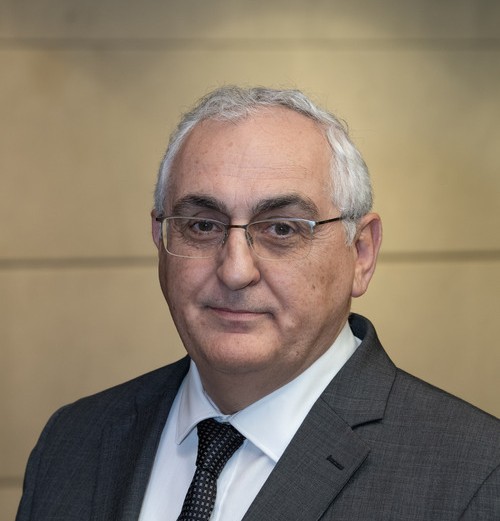
Alexander Demarco has downplayed fears of a European recession despite growing concerns over the economic fallout from the ongoing Middle East conflict and rising energy prices.
Speaking to POLITICO, the Central Bank Governor said current forecasts from the European Central Bank still point towards recession being avoided, although he acknowledged that risks would increase significantly if the crisis escalates further.
“If we arrive at that point, then there is, of course, a real risk of recession, but at this juncture we are not there,” Mr Demarco said, referring to the possibility of fuel rationing caused by prolonged supply disruptions.
The interview focused heavily on the inflationary impact of the latest oil shock, with Mr Demarco warning that policymakers may need to raise interest rates to prevent higher energy costs from feeding into broader inflation across the eurozone.
“The prospects of looking through this shock appear to be fading now, given the prolongation of the conflict and the prospects of oil prices remaining higher for longer,” he told POLITICO.
Mr Demarco also warned that even a ceasefire may not be enough to quickly stabilise energy markets due to damage to infrastructure and continued uncertainty surrounding key supply routes.
“The damage done to the infrastructure is likely to keep energy prices at a higher level than that prevailing before the conflict,” he said, adding that “supply constraints are likely to linger.”
According to the report, Mr Demarco appeared more open to potential ECB rate hikes than several other dovish policymakers who have recently urged caution and called for more economic data before tightening monetary policy further.
While refusing to speculate on how many rate hikes may ultimately be required, he stressed the ECB’s commitment to ensuring inflation returns to its 2 per cent target.
“We are committed to setting monetary policy to ensure that inflation stabilizes at 2 percent in the medium term. This could require one rate hike. It could require more,” he said.
Elsewhere in the interview, Mr Demarco criticised the slow pace of European reforms aimed at improving long-term growth and capital markets integration.
“Especially on common bonds, I’m not seeing that much progress in this direction,” he said. “Things move slowly in Europe.”
‘We want to build a group that will outlive us all’ – James Barbara
James Barbara brought a group of major businesses together under a new corporate identity.
LifeStar Insurance appoints economist Jean Paul Fabri as Interim Acting CEO
His appointment follows the departure of Jonathan Camilleri as CEO.

Building on Ferraracasa’s legacy: Third generation, next chapter
Joining an established family business brings a different challenge to building one from the ground up. The foundations already exist, ...
‘I dreamed of moving to Malta 20 years ago’: iQrypto CEO
Quantum tech firm iQrypto is set to expand its operations to Malta.
