



The Malta Financial Services Authority (MFSA) on Wendesday urged local banks to stay updated and comply with new and amended requirements arising from the banking package, recently adopted by the European Parliament and the Council of the European Union.
It recently issued a “Dear CEO” letter to banks, outlining the MFSA’s expectations to allow for a smooth transition to compliance with the new standards.
The letter emphasises the importance of timely implementation and highlights the authority’s focus on adhering to Basel III standards, as adopted by the EU, for effective risk management practices, which contribute to a sound financial system.
The letter reaffirmed a sentiment expressed by MFSA Head of Banking Supervision Catherine Galea earlier this year, urging managers of local credit institutions to stay up to date about regulatory changes in the financial services space, as failing to do so can be detrimental to the future of their businesses.

The final agreement on the banking package includes amendments to both the Capital Requirements Directive (CRD) and the Capital Requirements Regulation (CRR), with this landmark decision being a crucial step in the goal of strengthening the resilience and stability of the European banking sector.
The CRR will come into effect on 1st January 2025, while the CRD must be transposed into local legislation within 18 months from its entry into force. The texts for both are anticipated to be published in the Official Journal of the European Union in June.
The banking package contains comprehensive requirements that encompass new regulations on credit risk, market risk, operational risk, as well as environment, social, and governance (ESG) risks, which local banks need to adhere to.
Additionally, the package also sets forth rules for third-country banks operating within the EU, enhanced governance requirements for financial institutions, and expanded supervisory powers.
Commenting following the release of the Dear CEO letter, Ms Galea reiterated the importance of compliance with the new requirements.

“Adhering to the Basel III standards is essential for maintaining the soundness of our financial system. The new requirements will ensure that banks are better equipped to manage risks and contribute to a more stable and resilient financial sector,” she continued.
On his part, MFSA Chief Officer Supervision Christopher P. Buttigieg emphasised the significance of the banking package in promoting ESG priorities.
“This package demonstrates the European authorities’ commitment to reducing greenhouse emissions across the EU,” he said.
“By mandating banks to develop and implement robust ESG strategies and risk management frameworks, we are taking significant steps towards a sustainable future,” he affirmed.
The MFSA stated that it is requesting all banks to conduct and submit a self-assessment of their preparedness for the implementation of these requirements. It will then evaluate the sector’s overall readiness, followed by bilateral discussions with banks to ensure continued progress in implementing the banking package at the local level.


Related

From two routes to 53: MIA CEO praises Ryanair’s 20-year journey in Malta
Ryanair entered the Maltese market 20 years ago, initally with two flights to and from Luton and Pisa.

Malta must look beyond tax rates to remain internationally competitive, MIA CEO says
Maria Cauchi Delia speaks on Malta's competitiveness and Budget 2027 in a recent MIA conference.

The daves app is taking 24/7 convenience to another level
daves now is offering its customers a more convenient way to shop.
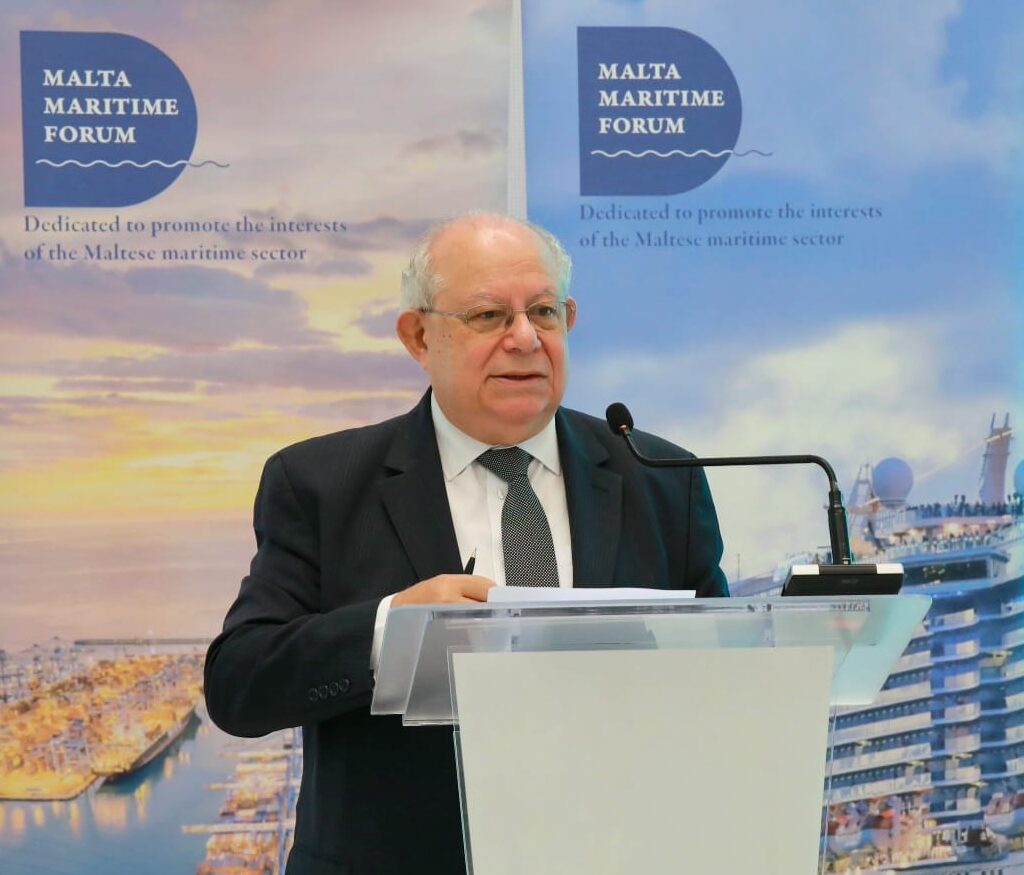
Malta’s maritime sector must look beyond ships and the national register, MMF chairman says
'Next phase of its development must be concerned not only with how much maritime activity passes through', he said
