

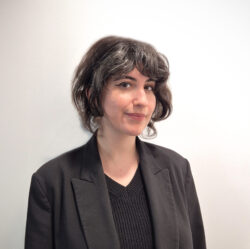
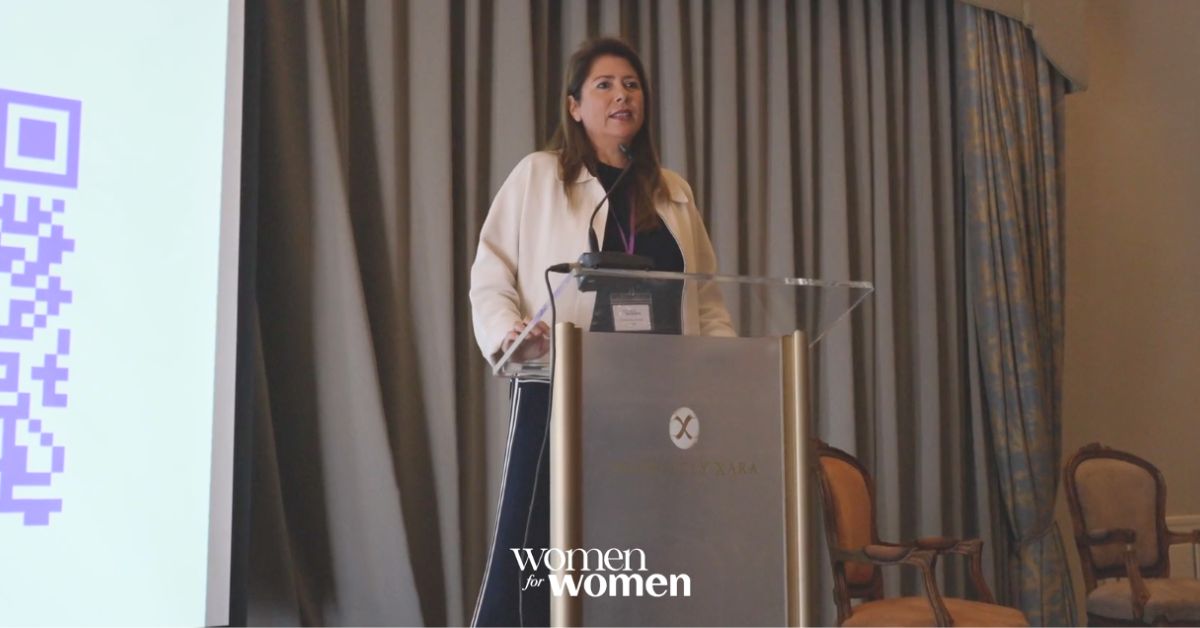
“Real equality means designing workplaces and a society around real people’s lives, not around this outdated model that was never really built with working women in mind.”
For Francesca Fenech Conti, that principle sits at the heart of both the Women for Women movement and its flagship Women’s Health and Wellbeing Expo, now in its fourth edition. Organised by Women for Women, the Expo has grown from a grassroots initiative into a national platform that brings together medical professionals, social scientists, financial experts and business leaders to address the realities shaping women’s lives in Malta.
What began in 2015 as a Facebook group founded by Ms Fenech Conti has evolved into a 61,000-strong community. Malta is still harboured by harmful gender stereotypes, many of which quietly shape expectations around motherhood, careers, relationships and financial independence. Women for Women steps into those gaps through community.
This online group has become a daily support system where women seek advice on relationships, money, health, parenting and work, often finding listening ears in moments of isolation. For some, it is not simply a forum but a lifeline – a space to speak openly, test opinions, share vulnerabilities and feel less alone.
This year’s Expo reflects that growth. “The Women for Women’s Health and Wellbeing Expo this year promises to be another successful, informative and interesting day out. Every year we try something new and different – this year the Expo runs for the whole day from 9 am till 5 pm. We are really excited this year as we have some illustrious speakers both in the morning and the afternoon sessions.”
The morning programme opens with Dr Marceline Naudi addressing harmful gender stereotypes and the structural barriers women face simply because they are women. Dr Anna Borg will examine the heavier unpaid workload women carry and its long-term implications for careers and financial independence. Dr Mario Refalo will deliver what Ms Fenech Conti describes as “a fun but informative talk about perimenopause, menopause and HRT”, while Dr Godfrey Grech will explore the importance of the gut microbiome for optimal health.
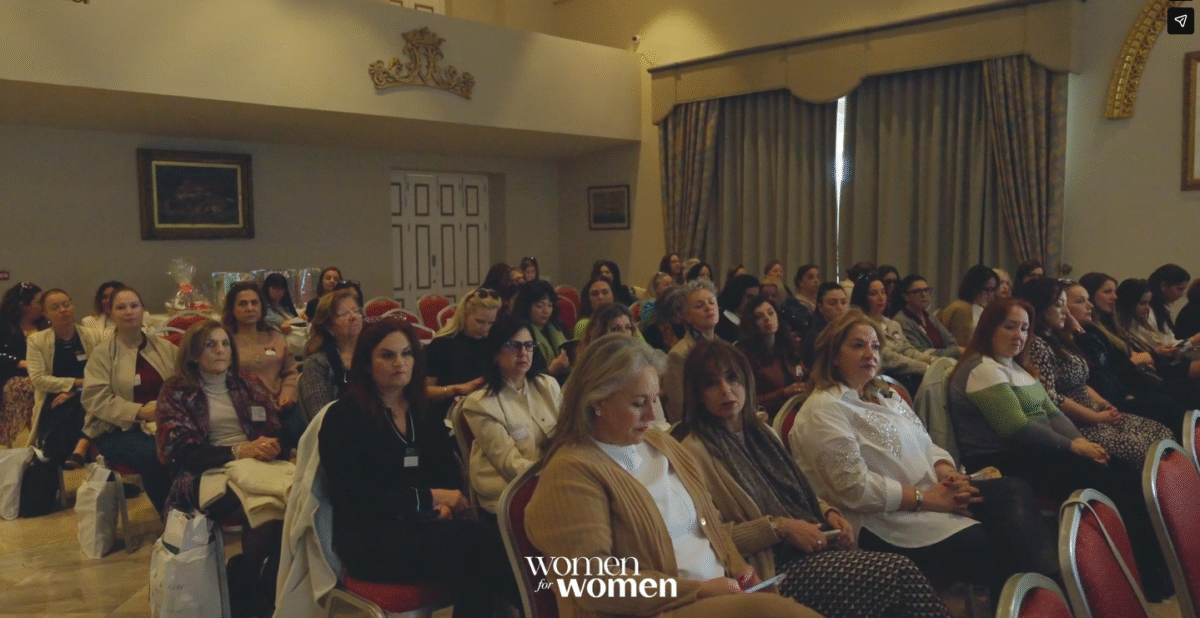
After a buffet lunch, the Expo opens to the general public between 2.30 pm and 5 pm for a €10 donation. Attendees will be able to visit exhibitor stands and listen to talks including Surgeon Elaine Borg from Remedies on oncological breast reconstruction, Mazars on financial wellbeing, and Dr Contijulia from Niumee on bio-identical HRT. “All the latest health and wellbeing products and services from Malta’s leaders in women’s health will be exhibiting, and there will be opportunities to shop for products and get substantial discounts on services for all attendees,” Ms Fenech Conti adds.
Importantly, the Expo is designed as an intergenerational space. “Women’s health isn’t something that starts at 40 or ends at menopause. For us women it’s lifelong. Whether we are trying to figure out our periods in our twenties, juggling work and kids in our thirties, navigating perimenopause in our forties, it’s lifelong.”
She notes that younger women are increasingly attending alongside their mothers. “I know that some young women have told me they are joining this year with their mothers because they want to understand better what their mothers are going through due to being menopausal. We feel that the Expo is really for any woman who wants to feel informed, supported and less alone. It’s for women who want to understand their bodies better, take control of their wellbeing, ask questions, and have honest conversations without judgement.”
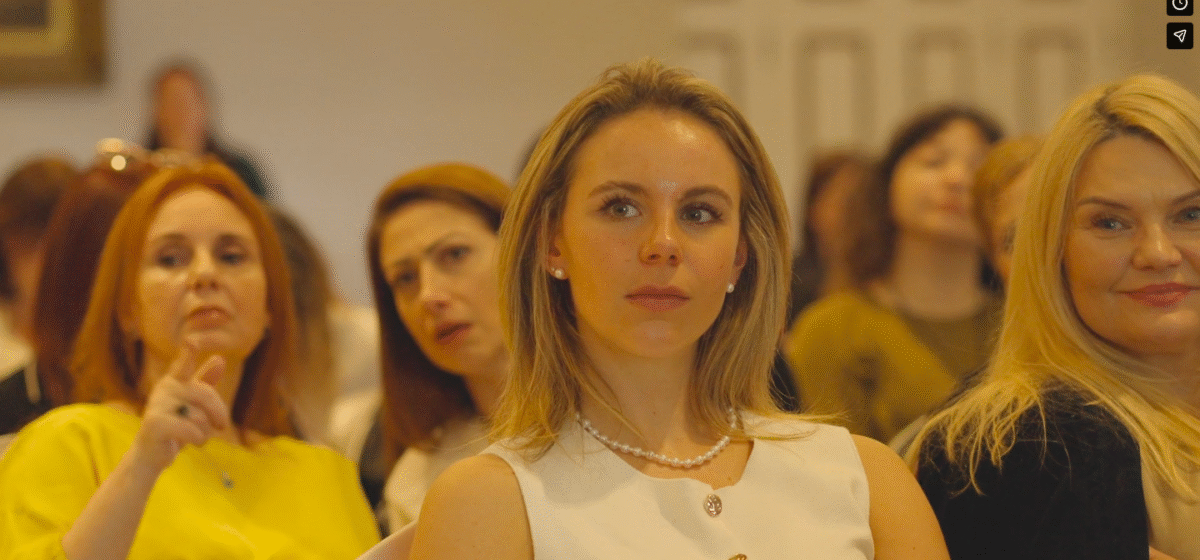
While health is the entry point, the underlying conversation extends into the workplace. According to Ms Fenech Conti, society continues to underestimate the scale of invisible labour carried by women. “I think we still fundamentally misunderstand how much invisible labour women are carrying. I think society hasn’t realised how difficult it is for women to work once they become mothers.”
She acknowledges that young women without children face sexism and gender pay gaps, but insists that motherhood intensifies structural disadvantage. “The motherhood penalty is real. Often times, we overlook the mental load. The remembering, the organising, the emotional support at home, the caregiving, the constant balancing act. A woman can be leader at work and still be the default parent, the default carer, the default planner.”
In Malta’s context, she points to disproportionate child-rearing and domestic responsibilities. “Once a mother, a woman has to juggle so much more, due to the disproportionate child rearing and home running duties usually borne by women in patriarchal societies such as Malta.” Biological realities such as pregnancy, miscarriage, IVF and perimenopause further intersect with professional trajectories. “Women tend to be the ones who have to reduce their working hours, leading to missing out on promotions, furthering their careers, which results in fewer women in leadership positions.”
Flexibility and equality cannot be superficial. “We need to rethink this and include men as caregivers, as men who take paternal leave, parental leave, leave early to pick up the kids, take leave to stay home with sick kids too. This I believe would benefit us as a society as a whole. Children need both their parents; society needs women leaders in all sectors.”
Beyond events and conversations, Ms Fenech Conti argues that structural change is essential. “We need to trust women more. To allow women to make choices about their own lives without fear of judgement.” She is equally clear that men must be freed from restrictive expectations. “Men shouldn’t be made to feel ashamed if they want to stay home and raise their children while their partners are the breadwinners. And women shouldn’t feel guilty for wanting, or needing, to continue working, building careers, and leaving their children in quality childcare or with trusted carers or nannies.”
Ultimately, she believes choice must be underpinned by policy. “Choice is only real when it’s backed by systems and policies that make it possible.” That includes genuinely flexible workplaces, meaningful paternity leave beyond the current ten days, and comprehensive health support “from menarche to menopause”.
Ultimately, this is not simply about an Expo. It is about recognising that women’s health, economic participation and leadership are deeply interconnected. As Ms Fenech Conti puts it, “when women are supported to participate fully in all aspects of society, we strengthen not just individual families, but the whole of society making it fairer, healthier, sustainable and more equitable for everyone.”
Adrian Galea responds to EU Inc. criticism, argues proposal could unlock growth for Malta
He believes it could represent a 'step function improvement' for Europe’s startup ecosystem.
KM Malta ‘not insulated from market volatility,’ says Executive Chairman
David Curmi nonetheless stressed that the airline has measures in place to manage the risk responsibly.
Joseph Mifsud Grima named to Captive Review’s 2026 Forty Under 40 list
'I am incredibly honoured.'
Aġenzija Sapport CEO: ‘People underestimate what someone with a disability can bring to the table’
'Subtle double-takes, lowered expectations, and quiet assumptions.'
