



A Maltese-led innovation initiative by Harbour Solutions Ltd is making significant progress in transforming how commercial buildings manage energy consumption. The SEER project has successfully completed a major milestone with the deployment of its cloud-based Data Lake infrastructure – marking a key step toward live AI-driven optimisation in operational buildings.
The project aims to improve energy efficiency in commercial buildings by an additional 15 to 30 per cent through advanced analytics and digital twin technology. Rather than requiring new hardware installations, SEER leverages data already generated by existing Building Management Systems (BMS), making the solution fast to deploy with a short return on investment.
Commenting on the milestone, Simone Muscat, CTO of Harbour Solutions, stated:
“Our aim is to deliver a system that enhances building efficiency while giving owners total confidence and peace of mind. By combining AI with practical engineering expertise, we ensure optimisation is not only intelligent, but reliable and actionable in real operational environments.”
From monitoring to intelligent optimisation
Modern building management systems generate large volumes of operational data – including temperature readings, occupancy detection, equipment status, and HVAC setpoints. However, much of this data remains underutilised.
SEER addresses this gap by securely extracting time-series data from digitised buildings using software connectors compatible with widely deployed BMS platforms. The data is aggregated into a centralised cloud environment and structured using a semantic model that provides contextual meaning to each data point – including its physical location, affected zone, and relationship to other systems.
This enriched dataset forms the foundation of a dynamic digital twin: a virtual representation of the building that continuously synchronises with real-world conditions.
Knowledge-powered insights for measurable savings
With the digital twin in place, AI algorithms analyse operational patterns to detect inefficiencies, identify anomalies, and optimise control parameters – particularly within HVAC systems, typically the largest energy consumers in commercial buildings.
Rather than simply visualising performance metrics, the system evaluates key commanding variables such as temperature setpoints and ventilation rates. Through iterative fine-tuning, it recommends adjustments that reduce energy consumption while maintaining occupant comfort.
The completion of the project’s Data Lake infrastructure represents a critical achievement. The platform enables automated ingestion of live and historical building data, supported by robust data cleansing mechanisms including deduplication, normalisation, and validation. This ensures reliability and analytical accuracy – essential for effective AI-driven optimisation.
Supporting sustainable engineering innovation
By bridging the gap between basic monitoring tools and complex bespoke digital twin systems, SEER introduces a practical and replicable model for intelligent building optimisation. The approach provides operators with deeper visibility into system performance through intuitive visualisation tools integrated with existing management platforms.
The initiative reflects a growing focus within the engineering sector on combining digital innovation with sustainability objectives. As commercial buildings face increasing pressure to improve energy performance, solutions like SEER demonstrate how advanced analytics can deliver measurable impact without disruptive infrastructure changes.
The project is being developed by Harbour Solutions, a Malta-based engineering and technology company specialising in building automation and digital systems integration. More information can be found at https://www.harboursolutions.com.mt and https://www.linkedin.com/company/harbour-solutions
Project financed by Xjenza Malta, for and on behalf of the Foundation for Science and Technology, and the Malta Digital Innovation Authority, through the ‘R&I Thematic Programmes: Digital Technologies Programme’.
As SEER progresses toward full operational deployment, it is set to contribute to a new generation of smarter, more energy-efficient buildings – driven by data, powered by AI, and engineered for sustainability.




Graziella Grech takes on Executive Director role at FinPlus Europe
'It is truly an honour to be part of such a dynamic organisation.'

DaVinci Health Malta appoints Tiziana Lagana as Deputy Chief Operations Officer
'I look forward to continuing this journey.'

KonnektTalexio announces leadership transitions
Lara Camilleri and Mark Camilleri Gambin take the helm
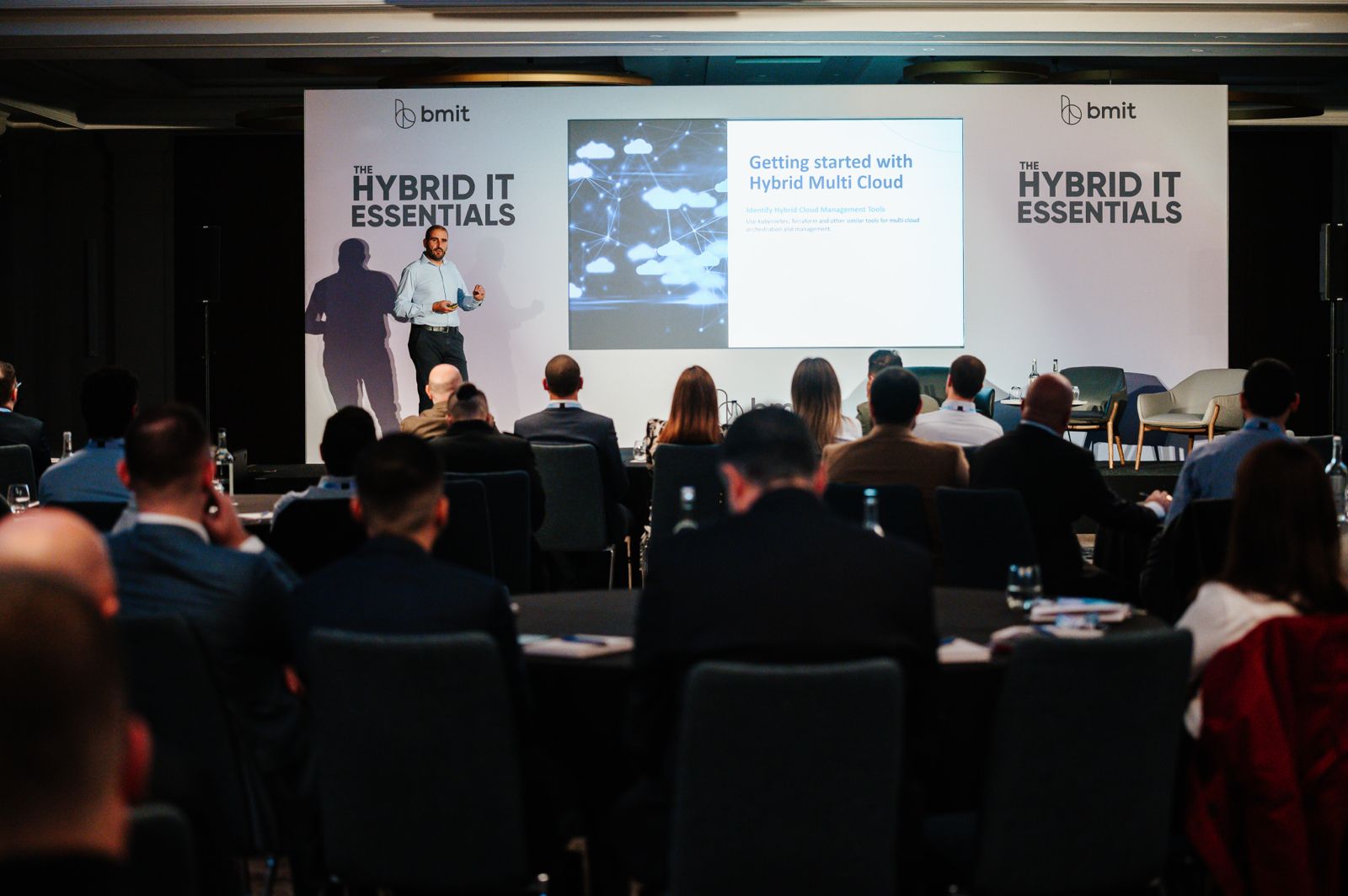
‘The Perspectives 2026’: An event for Malta’s IT decision-makers
BMIT’s upcoming ‘Perspectives 2026’ conference on April 14th brings together industry leaders to tackle challenges head-on and help decision-makers prepare ...
