


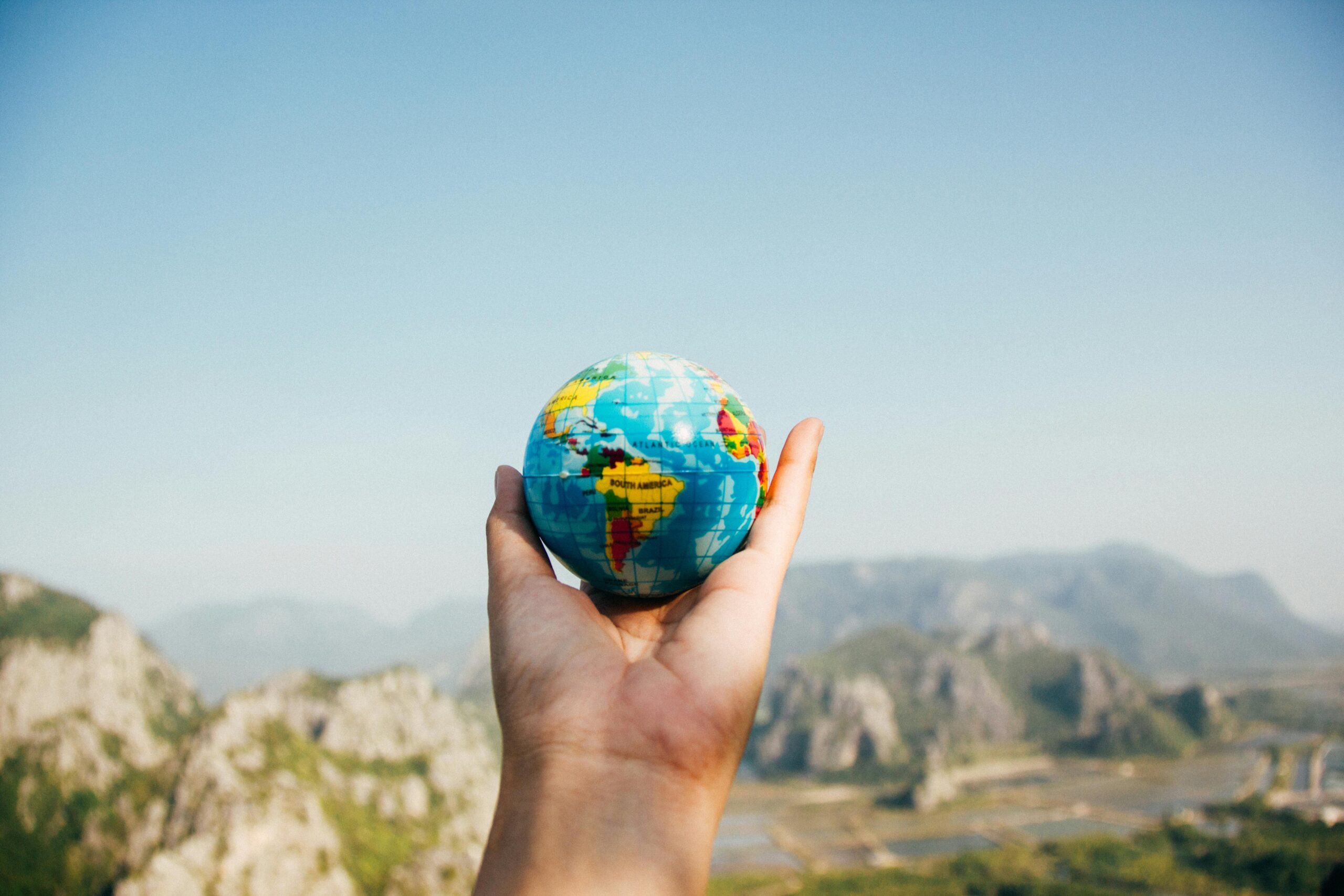
The World Inequality Report 2026 opens with a powerful foreword by two of the world’s most influential economists: Jayati Ghosh, one of the leading global voices on development economics and Professor at the University of Massachusetts Amherst, and Joseph E. Stiglitz, Nobel Prize-winning economist, former Chief Economist of the World Bank, and a central architect of modern inequality research.
Together, they frame the report as not just a data exercise but a wake-up call for governments and business leaders. “The World Inequality Reports have become a landmark in global public discussions on inequality,” they write, noting that since 2018 the series has transformed how policymakers and scholars understand the structure and consequences of inequality.
A world at critical crossroads
Dr Ghosh and Dr Stiglitz warn that the 2026 edition arrives “at a critical time.” Around the world, living standards are stagnating for many, while “wealth and power are even more concentrated at the very top.” They emphasise that these trends are not happening in isolation: as inequality widens, “independent research is under threat” and democratic institutions weaken.
“These developments are connected,” they argue. “Rising inequality undermines trust, weakens our democracies, and fuels discontent.”
The foreword lays out some of the report’s most striking figures. According to Ghosh and Stiglitz:
- “The richest 10 per cent of the global population own close to three-quarters of all wealth.”
- “The poorest half hold barely 2 per cent.”
- “Fewer than 60,000 multi-millionaires now control three times more wealth than half of humanity combined.”
Within most countries, the bottom 50 per cent “rarely possess more than 5 per cent of national wealth,” reinforcing how universal this pattern has become.
The authors highlight a core structural problem: the wealthiest individuals contribute disproportionately little to public finances. “Effective tax rates climb for most of the population but fall sharply for billionaires and centi-millionaires,” they note.
This, they argue, is not just unjust but economically damaging. It “deprives societies of the resources needed for education, healthcare, and climate action,” creating a cycle where public systems weaken while private fortunes deepen.
This doesn’t just affect the average consumer, but also affects the wealthy and business class.
With less money in the hands of consumers, demand weakens, markets shrink, and businesses face slower growth. The report makes it clear that extreme concentration of wealth isn’t only a social issue but an economic drag. When purchasing power is locked at the top, investment becomes more speculative and less productive, while small and medium enterprises struggle to expand in a stagnating consumer landscape. Even large companies eventually feel the strain as inequality erodes the very base that sustains economic dynamism. In short, inequality leaves the poor worse off and destabilises the entire economic ecosystem.
Climate, capital and gender issues are larger than we think
Dr Ghosh and Dr Stiglitz stress that inequality extends far beyond income and wealth. Women, they note, “capture just over a quarter of global labor income, even though time-use surveys suggest that they work for longer hours than men, often in an unpaid form.” When unpaid domestic and care work are included, women earn “only about one-third as much per working hour as men.”
Inequality of opportunity shows similar extremes. The per capita income gap between Europe and Sub-Saharan Africa is tenfold, but “the gap in public education expenditure per school-age student is nearly thirty-fivefold.”
They add a stark warning: “Today’s inequality of opportunity fuels tomorrow’s inequality of outcomes.”
Their foreword emphasises that climate inequality reflects – and reinforces – economic inequality. “The richest 10 per cent of individuals account for 77 per cent of the carbon emissions associated with private capital and 47 per cent of consumption-related emissions,” they highlight.
Meanwhile, the poorest half contribute just 3 per cent of capital emissions yet bear “about 75 per cent of global climate-driven income losses.”
Deep structural imbalances between the Global North and South remain entrenched. Each year, poorer nations transfer “more than one per cent of world GDP to richer ones through debt service, profit repatriation, and financial flows” – a figure Dr Ghosh and Dr Stiglitz note is “approximately three times more than development aid flowing in the opposite direction.”
This creates a system “where resources extracted from labor and nature in low-income countries continue to sustain the prosperity and the unsustainable lifestyle of people in high-income economies and rich elites across countries.”
Inequality is designed
Perhaps the most important message of their foreword is that inequality is not an outcome of natural market forces. “These patterns are not accidents of markets,” they write. Instead, they reflect the “legacy of history” and the structure of institutions, regulations, and politics — all rooted in unequal power relations.
“History, experiences across countries, and theory all show that today’s extreme inequality is not inevitable,” they argue. Progressive taxation, social investment, fair labour standards, and stronger democratic institutions have narrowed gaps before and can do so again.
Dr Ghosh and Dr Stiglitz reveal that in 2025 they were invited by the G20 Presidency of South Africa to propose new global solutions. Their recommendation: the creation of an International Panel on Inequality, an independent expert body to track global inequality, examine its drivers, and provide evidence-based guidance for policymakers.
“We cannot address today’s inequalities effectively without such a knowledge base,” they note, positioning the World Inequality Lab as a model for the future.
“Inequality is not destiny, but choice”
Their closing message is unambiguous: “This report sets a high standard for evidence-based policymaking. It reminds us that inequality is not destiny, but choice – and that with serious, independent research, and political will, fairer and more sustainable societies are within reach.”
Read BusinessNow.mt summary of the report here.


‘A nation shaped by foresight’: ROCS director reflects on 28-year bond with Dubai
Rachel Vella says strong foundations don’t weaken under pressure, but recalibrate, adapt and rise stronger.

IZI Finance plc announces second bond issue and listing on the Malta Stock Exchange
The Group’s performance is supported by a clear focus on innovation, digital transformation and operational excellence, across its core business ...
Hili Properties confirms departure of Managing Director Georgios Kakouras
Daniela Pavia continues as Interim CEO

‘A real honour’ – Co-Founder of Bracket on securing Malta Venture Capital fund investment
The company has recently raised $7 million in seed funding.
