


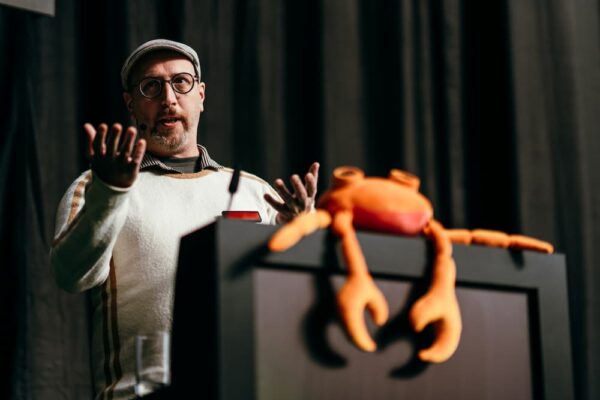
By the end of 2025, one thing was evident to technology and cybersecurity leaders. Growth did not bring clarity. Investment did not reduce risk. And artificial intelligence, despite its reach, rarely made decisions easier.
For cybersecurity expert Daniel Thompson-Yvetot, co-creator of the open-source toolkit Tauri and CEO of Crabnebula, the year felt self-consuming. He described it as “the year the snake ate its tail”, a system in which AI money circulated endlessly between the same players, inflating valuations while leaving profitability unresolved.
He noted how Microsoft’s billions flowed into OpenAI, only to return via cloud credits, while chipmakers invested in companies that were contractually bound to buy their hardware. “If your customer has to borrow money to buy your product, your customer’s not a good customer,” one analyst told him, a line that captured the unease beneath the optimism.
The scale of the build-out continued regardless. Data centres rose, energy demand surged, and memory prices climbed sharply. Analysts warned that AI companies would need trillions in annual revenue to justify the infrastructure being constructed, yet the machines kept shipping and the earnings calls remained upbeat. Even Malta entered this global loop. As Mr Thompson-Yvetot observed, the country received an AI supercomputer that “will be used primarily to generate compliance documentation. This is not a joke.” The remark was dry, but the implication serious. Much of AI’s near-term value lay not in transformation, but in sustaining the regulatory and administrative weight created by the technology itself.
That gap between promise and practice also surfaced in software development. For a brief period, developers embraced what became known as “vibe coding”, where applications were created by describing them in plain language. The correction came quickly. Mr Thompson-Yvetot noted that when systems broke, debugging code “generated by a model you don’t understand, based on a prompt you’ve forgotten, is not a vibe. It is a nightmare.” The productivity gains were real, but so were the new forms of fragility.
2025 revealed how fragile certainty has become, and how quickly advantage can turn into risk. As Mr Thompson-Yvetot concluded, “the loop holds. The valuations rise. The tail remains delicious.”
The question for 2026 is who will keep feeding the loop, and who will finally learn how to step outside it.


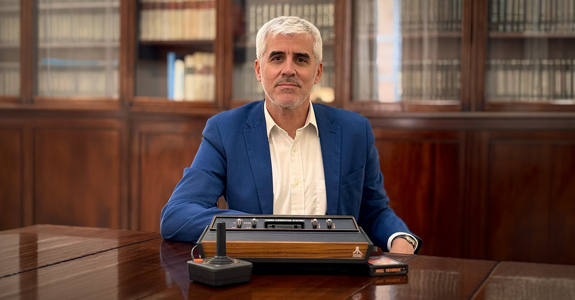
Fenech & Fenech Advocates appoints Antonio Ghio as Chief Innovation and Technology Officer
Antonio Ghio is an IT Law expert and has been with the firm for the past 25 years.
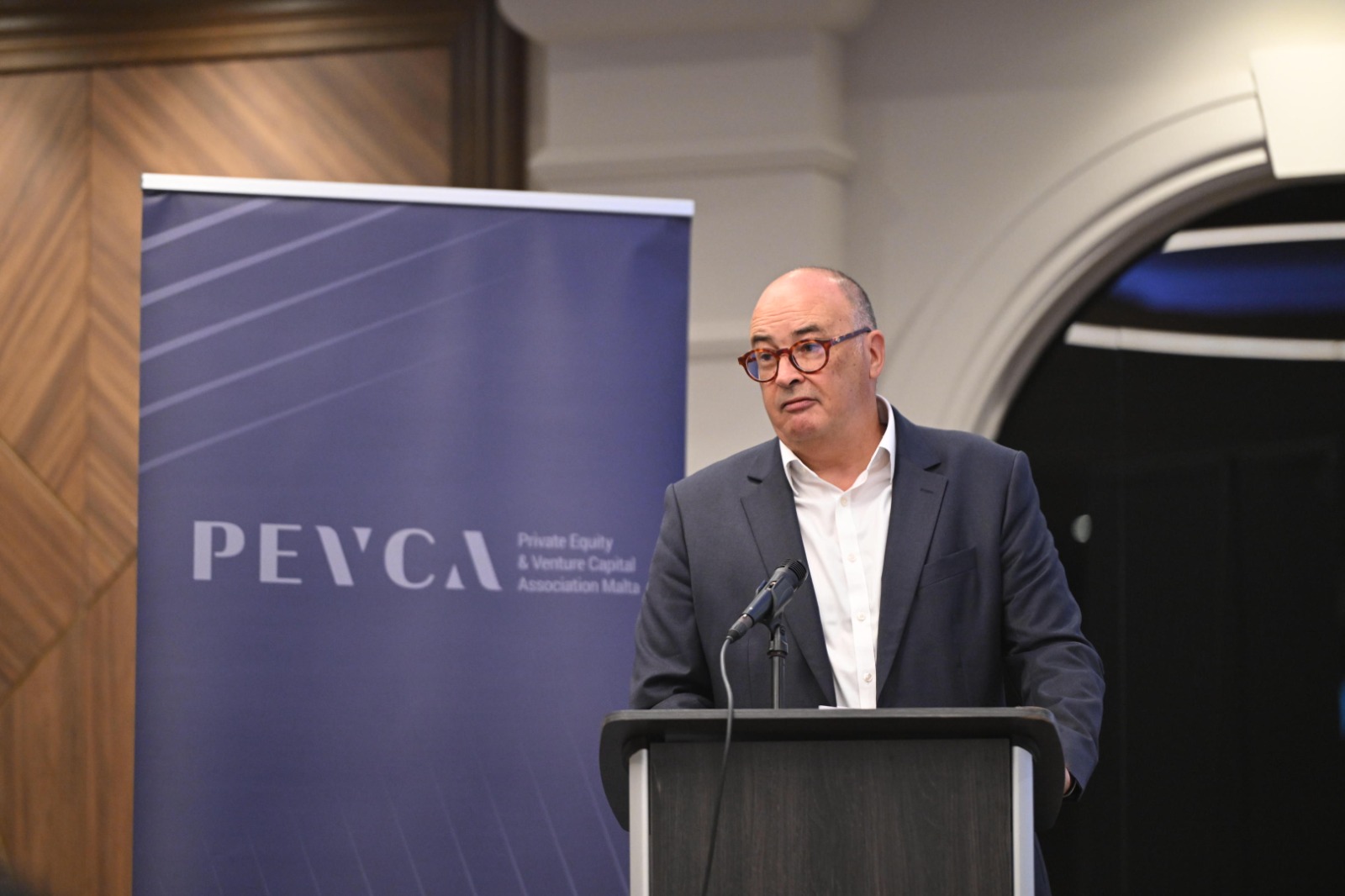
‘Considerable potential’ for Malta to develop as a private equity and venture capital hub – PEVCA head
He said that private equity and venture capital play a vital role in modern, innovation-driven economies.
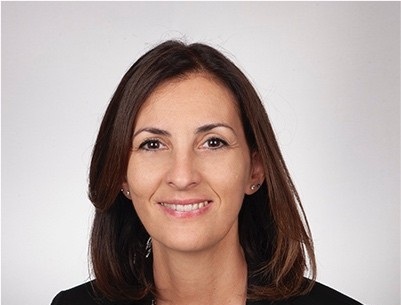
Nancy Pavlaki appointed Chief Financial Officer at Ramla Bay Resort
Prior to taking up the post, she worked in a number of financial positions in the hospitality industry.

Kyle Antoni Pace Cumbo appointed Chief Commercial Officer at Iniala
'I’m incredibly excited about what comes next,' he said.
