


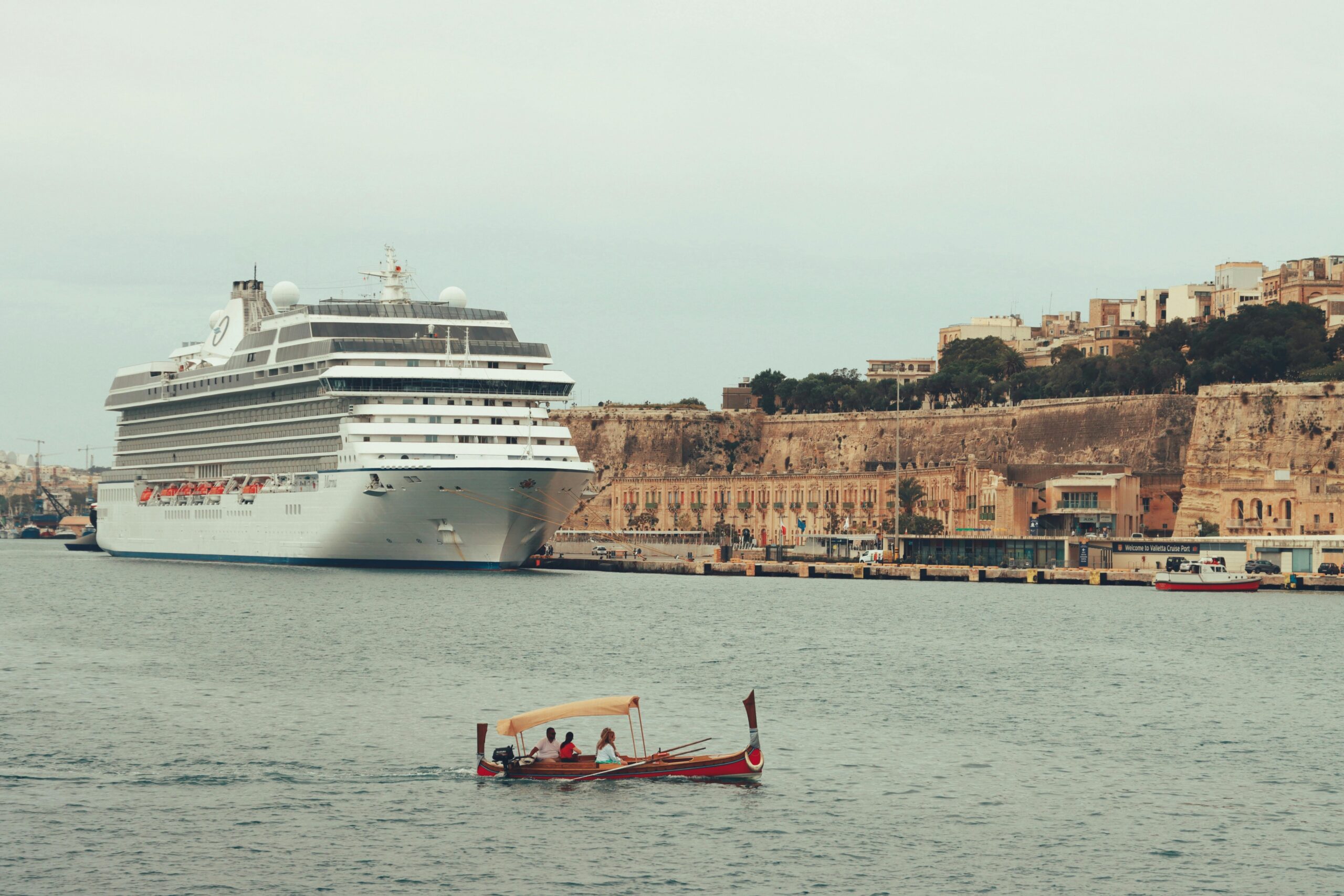
Malta’s tourism debate is increasingly shifting away from a simple question of growth and toward a far more uncomfortable one: how much growth can the island realistically absorb before the model begins consuming itself?
For years, conversations around overtourism in Malta have largely revolved around symptoms - traffic congestion, pressure on hospitals, construction, infrastructure strain, housing affordability and declining quality of life. But according to Hubert Debono, General Manager of Embassy Hotels Malta and author of research into overtourism and social carrying capacity, the country has avoided confronting the structural engine driving all of them.
As Malta heads toward another election at the end of May, questions around tourism sustainability are at the forefront of mainstream political discourse.
“We need to break this cycle we are in,” he tells MaltaCEOs.mt.
Mr Debono’s argument is as follows: Malta’s tourism model is trapped inside a volume-growth loop where more hotels require more tourists, more tourists require more imported workers, more workers require more housing and infrastructure, and the resulting strain lowers destination quality — forcing the industry to chase even greater numbers to compensate.
Meanwhile, Malta itself cannot expand.
“The island is 316 square kilometres. That does not change,” his research notes.
“The one variable that cannot flex is the land.”
For many residents, the debate is no longer abstract but is a broken social contract. Summer overcrowding, rising rents, congestion and continuous construction have increasingly transformed tourism from a purely economic success story into a quality-of-life question.
The issue is slowly entering political discourse more openly. Speaking on the new WhosWho Talks podcast, Deputy Prime Minister and Minister for Foreign Affairs and Tourism Ian Borg acknowledged that Malta must move away from incentives that encouraged continuous hotel expansion.
“We need to look at existing establishments upgrading and improving rather than taking up fresh land,” Dr Borg said, describing the new short-term accommodation regulations as a signal to the market without clamping down aggressively on operators.
He pointed specifically to regulations that historically allowed hotels to exceed normal height limitations, thus incentivising investors to prioritise building hotels over other infrastructure.
“You have a piece of land in Sliema. If you wanted to build apartments, a school or a hospital, maybe it could be 10 floors. A hotel? 12 floors. So obviously people built more hotels,” he said.
Mr Debono agrees with the direction of the reform, but argues it is a piecemeal solution arriving far too late.
“The 2026 Tourist Accommodation Regulations are a step in the right direction and deserve acknowledgement. The Delta Airlines JFK–Malta nonstop launching June 7th targets high-yield American visitors - exactly the right connectivity. The Malta Tourism Authority’s withdrawal of youth party tourism advertising is a meaningful signal,” he says.
“These are pieces of a puzzle. They are not the institutional architecture that holds the puzzle together.”
According to Mr Debono, Malta spent years treating tourism growth itself as an unquestionable success metric.
“There is no end to the amount of people arriving,” he says. “The moment tourist arrivals decline, the minister with the tourism portfolio will look like they are failing. No one in power can afford this politically.”
That political logic, he argues, is at the core of the problem.
“Every actor in this system is behaving rationally. The developer, the planner, the operator, the politician - each is responding to the incentives they face. The aggregate outcome is collectively irrational and structurally destructive.”
“The cycle is too short. Five-year political terms encourage short-term gains, and no one is thinking long term.”
His research paints an increasingly urgent picture. Malta recorded more than four million tourist arrivals in 2025, while average real spend per tourist has declined significantly over the past decade when adjusted for inflation. Average stays have also shortened.
In other words, Malta is increasingly receiving more tourists who spend less per visit in real terms.
The pandemic briefly offered an opportunity to reconsider the country’s direction and ask a fundamental question: where do we want tourism to go? Instead, Malta reopened and immediately returned to chasing record arrival figures.
For Mr Debono, this is not a “quality tourism” model at all.
“It is a volume model with a quality tourism label on it.”
He argues that the country continues to focus on managing the consequences of growth rather than addressing the mechanisms producing them.
“We are trying to come up with solutions to mitigate the symptoms, but nobody is talking about how to solve the core issue,” he says.
“We will have more hotels being built, more workers coming in, and the cycle continues. Then we discuss how to solve traffic.”
The central question, he argues, is not whether tourism matters to Malta’s economy - it clearly does - but whether the country is willing to create institutions capable of setting actual limits.
And that is where his three proposals come in.
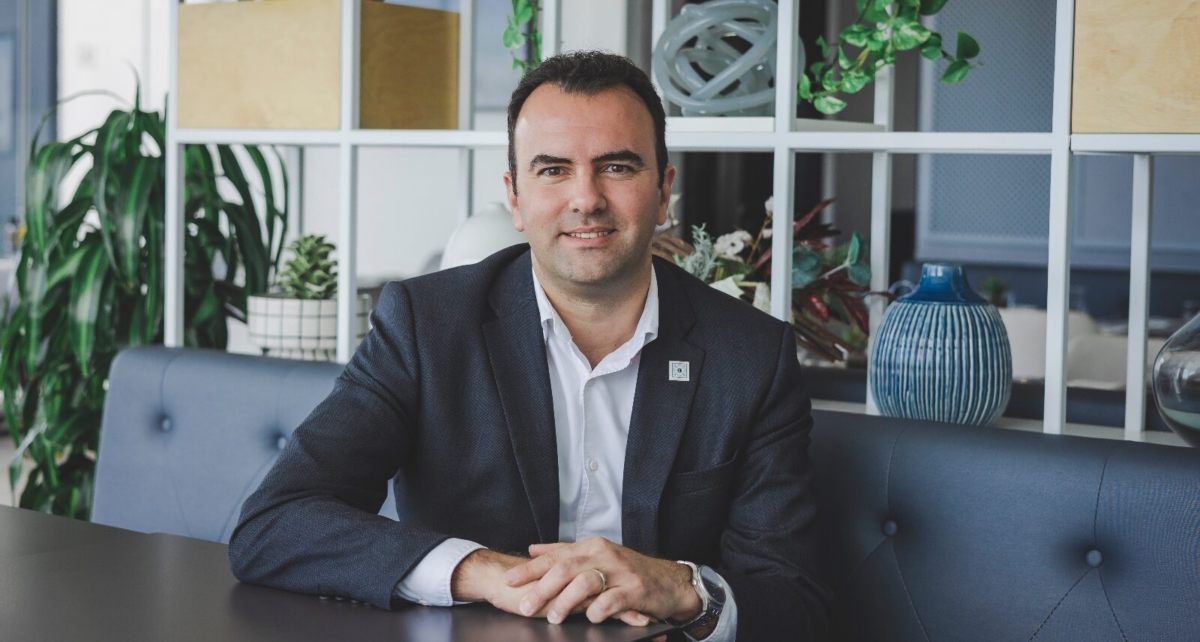
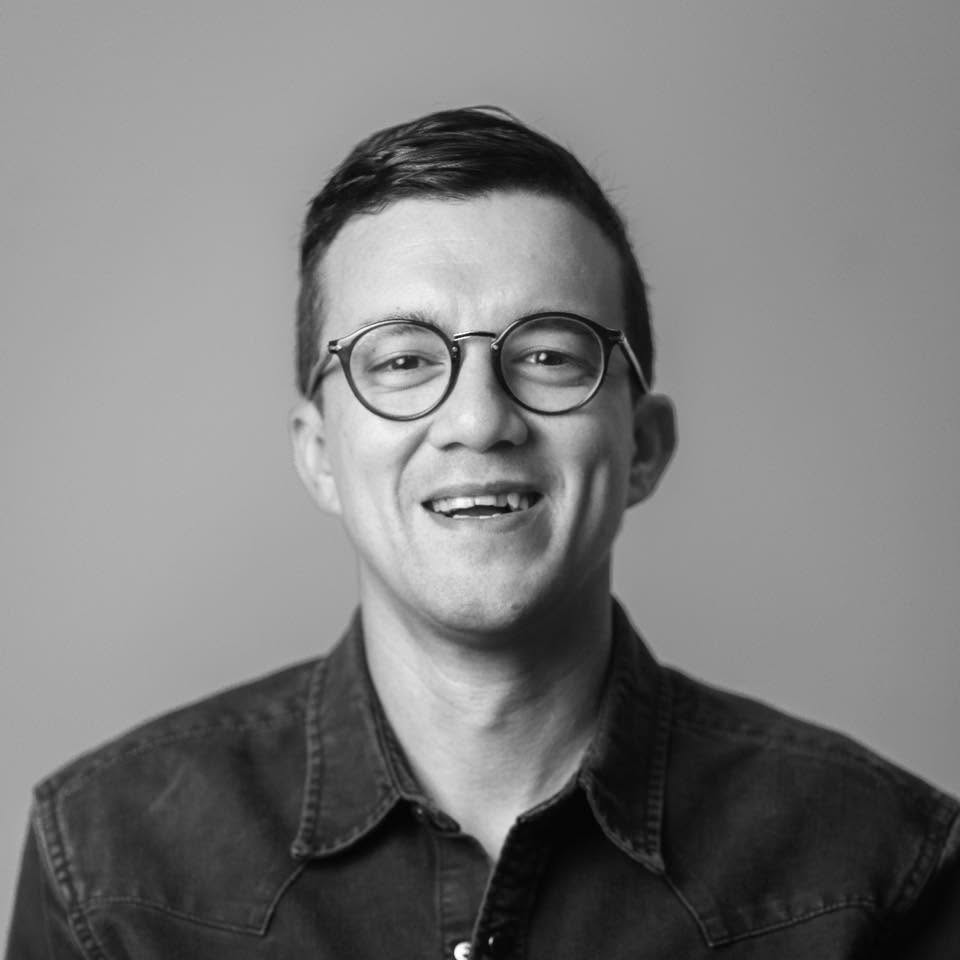
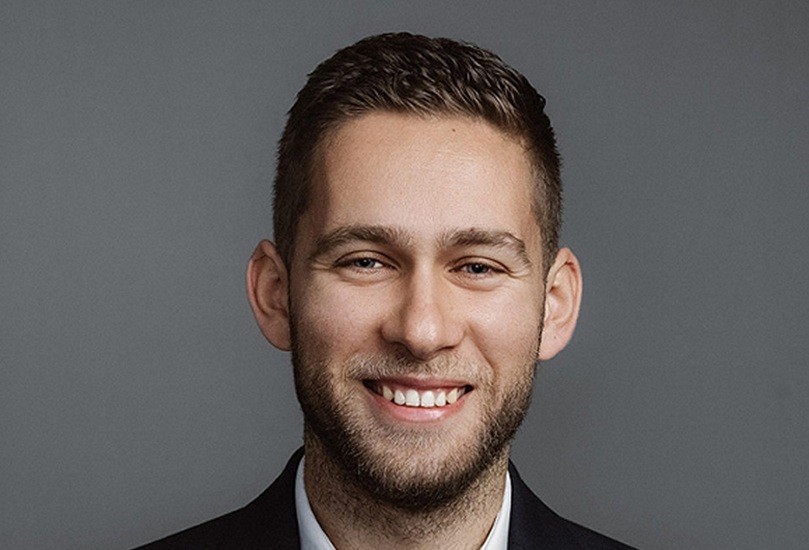
Hubert Debono
1. An independent tourism sustainability commission
The first proposal is what Mr Debono considers the most important structural reform Malta currently lacks: an independent body with statutory powers capable of enforcing carrying capacity limits.
“Not an advisory task force. Not another strategy document. Not a working group. A legally empowered institution capable of saying no.”
Mr Debono argues that Malta currently possesses studies, data and reports acknowledging overtourism pressures - including Deloitte carrying capacity studies, studies from the Malta Business Chamber and years of NSO data - but lacks the institutional architecture to act on that evidence.
His proposal is for an Independent Tourism Sustainability Commission with the authority to impose locality-level moratoria, reject developments based on Social Carrying Capacity (SCC) concerns, and establish binding limits linked to infrastructure and community impact.
“The difference between advisory and statutory is the only difference that matters,” his research states.
Social Carrying Capacity — the relationship between the total human load on a fixed territory and that territory’s capacity to absorb it — is being compressed from both ends simultaneously. Tourist arrivals are up 46 per cent since 2019.
The resident population has grown from 514,564 to 574,250 in the same period, driven overwhelmingly by tourism-induced migration: the hospitality workers tourism demands, then the healthcare staff, bus drivers, construction workers and teachers those workers require.
Again, the island and land mass itself has not changed.
In essence, he believes Malta’s tourism governance cannot continue operating purely through growth targets while expecting sustainability to emerge organically.
2. A quarterly tourism carrying capacity index
The second proposal focuses on transparency and public accountability.
Mr Debono proposes the creation of a Tourism Carrying Capacity Index published every quarter, tracking indicators such as visitor density, housing affordability, resident quality of life, infrastructure pressure and real tourism yield.
The reasoning behind this is political as much as economic.
At present, tourism success is primarily communicated through arrival figures, while record arrivals have become almost synonymous with government success. Falling numbers become politically dangerous.
Mr Debono argues that this creates a structural incentive to continuously pursue growth regardless of long-term consequences.
By publishing measurable carrying-capacity indicators every three months, the political conversation would begin shifting from raw arrivals toward sustainability and resident impact.
“Numbers on a dashboard make inaction politically costly,” his research notes.
The proposal would effectively redefine what tourism “success” means in Malta.
3. Separating tourism promotion from tourism governance
Mr Debono’s third proposal targets what he sees as a structural contradiction inside Malta’s tourism framework.
He argues that an authority like the Malta Tourism Authority tasked with increasing arrivals cannot simultaneously function as the institution responsible for limiting or regulating them sustainably.
“An organisation whose primary purpose is to attract tourists cannot simultaneously be responsible for limiting them,” his research states.
The proposal would separate tourism promotion from tourism governance entirely:
- one entity focused on marketing Malta internationally,
- another focused on sustainability, regulation and carrying capacity management.
The two functions fundamentally operate on different incentives and should not coexist under the same institutional umbrella.
Instead of measuring success primarily through arrival numbers, he argues Malta should begin prioritising real yield per tourist, infrastructure resilience and quality of life.
The debate arrives at a moment when tourism policy is beginning to shift publicly.
Dr Borg’s remarks on removing incentives for unchecked hotel growth indicate growing political recognition that the current trajectory may not be indefinitely sustainable. But Mr Debono believes Malta remains years behind where the conversation should already be.
“These discussions should have happened ten years ago,” he says.
His upcoming research series imagines two possible Maltas in 2036: one where institutional reform interrupts the current cycle, and another where the island continues pursuing perpetual growth without structural intervention.
For him, the question is no longer whether overtourism pressures exist.
The question is whether Malta is willing to politically “bite the bullet” and create systems capable of placing limits on an economic model that has, for decades, been built on the assumption that growth must always continue.
Read Hubert Debono's research here.
Sawadee Valletta! Iniala brings Thai family-style dining to Malta
Led by celebrity chef Ian Kittichai, Anaalā takes diners on a journey across Thailand with four rotating menus.
Deloitte Malta appoints Michael Agius as Director and Deputy Chief Legal Officer
‘Truly been a privilege to learn and grow within this global organisation,’ says Michael Agius.
Ryan Mahoney joins Bajada Group as Chief Operating Officer
This comes after more than four years as a General Manager at Bolt Malta.
Ian Zahra appointed as Director of International Tax at Deloitte Malta
He has been with the company for over six years.
