



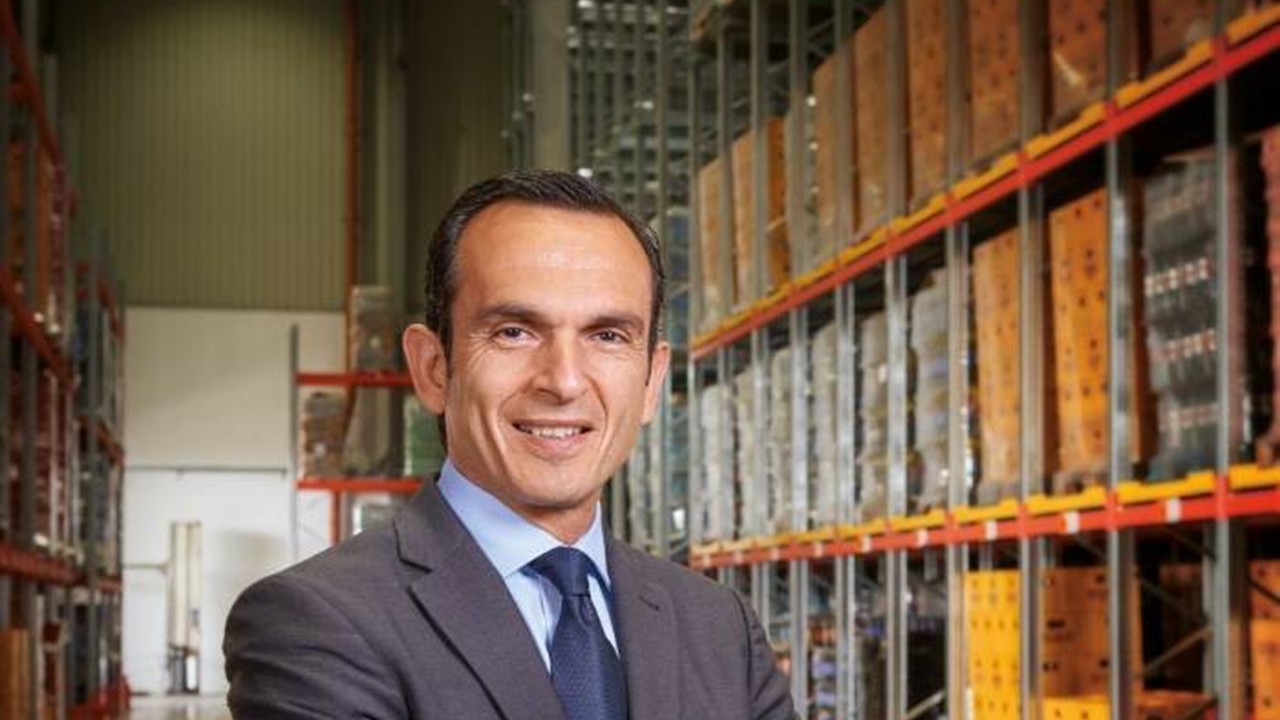
Major local telecoms company Melita has obtained approval for converting an existing €20 million revolving credit facility into a sustainability linked credit facility, CEO Harald Roesch announced on Wednesday morning.
"Melita is very focussed on becoming a sustainable and inclusive business,2 he remarked.
The sustainability linked facility will see the interest rate charged by lenders reduced, subject to Melita reaching specific sustainability targers.
These targets include a specified reduction in greenhouse gas emissions, and commitments on inclusion and diversity at the workplace.
As part of the company's ongoing effort to champion sustainable and inclusive business practices, Mr Roesch said:
"We are one of the very few Maltese organisations to have formally committed to the United Nations’ Science Based Target Initiative, which aims to achieve the goals of the Paris Climate Agreement.
"Making this type of binding commitment is the right thing to do but it is also increasingly important from a financing perspective as it reduces reputational risk and improves prospects. This, in turn, is encouraging the banks to offer more favourable terms to companies pursuing sustainability and inclusion, as has happened in this case.”
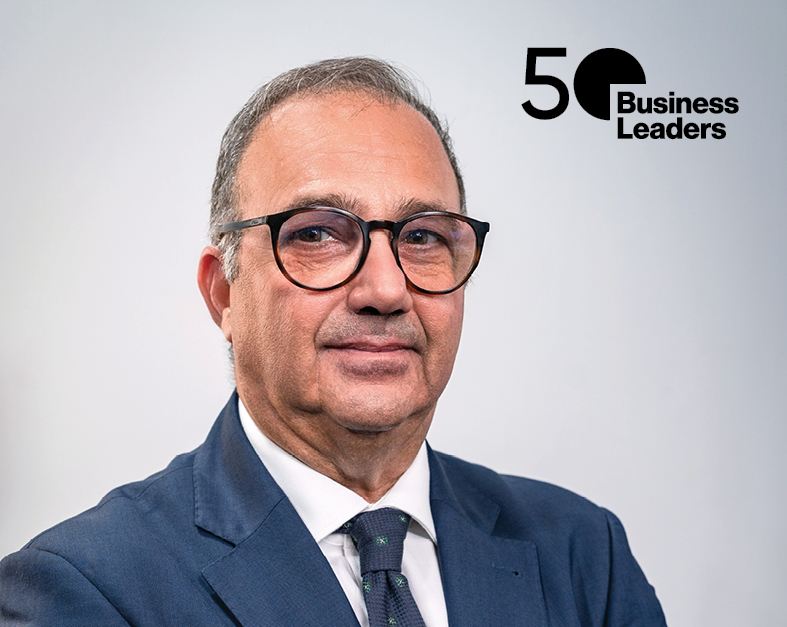


Geraldine Spiteri appointed Director at ComeOn Group
Dr Spiteri is an advocate in Malta.
Budget measures on foreign labour ‘push businesses to rethink operational model’
To avoid harm to Malta’s competitiveness, rapid execution of skills upskilling and streamlined support for innovation are required, writes Herald ...
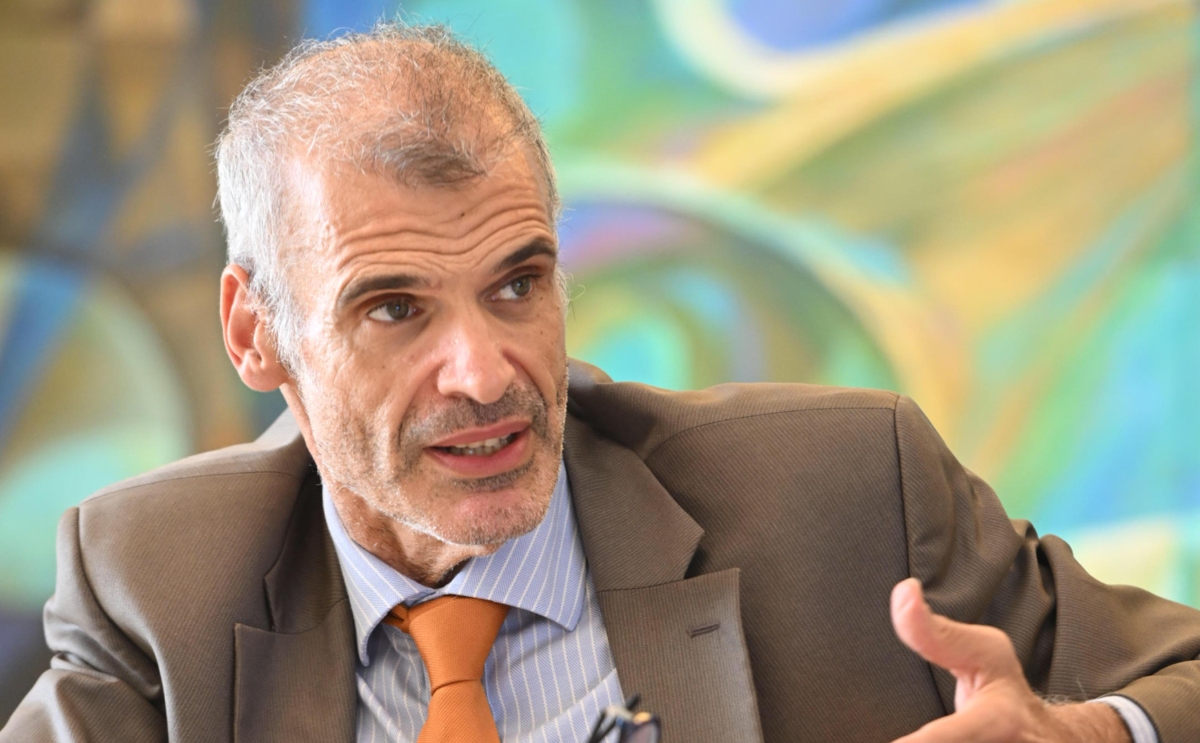
BOV results ‘demonstrate strength of business model’ – Chairman Gordon Cordina
The bank revised its profit guidance upwards on the back of what CEO Kenneth Farrugia describes as ‘strong execution’ of ...
Quinco Chairman criticises Budget 2027’s focus on consumption over competitiveness
'It is an economy facing supply-side pressures, infrastructural strains, and growing competitive pressures,' Norman Aquilina wrote.
