



Geopolitical tensions are increasingly shaping boardroom conversations in Malta, with the vast majority of local CEOs expecting the escalating Iran conflict to affect their operations in some way, according to the latest CEO Confidence Tracker by PwC Malta.
The survey, which gathers sentiment from more than 30 chief executives every six months, found that 87.1 per cent of CEOs believe the conflict in the Middle East will have at least some impact on their business. Of these, 45 per cent described the anticipated effect as moderate or high.
Despite these concerns, Malta’s business leaders remain broadly optimistic about current trading conditions and the outlook for the months ahead.
According to the tracker, 71 per cent of CEOs reported improved business performance over the past six months compared to the previous period, while 22.6 per cent said results remained stable. Only 6.5 per cent experienced a decline.
The findings represent a slight improvement on the previous edition of the tracker published in November 2025, when 69 per cent of respondents had reported better performance and 15 per cent had indicated worsening conditions.
Looking ahead, 48.4 per cent of CEOs expect business conditions to remain positive over the next six months, while 41.9 per cent anticipate stability. This means that around nine in 10 CEOs expect conditions to either improve or remain steady.
However, the report suggests that global instability is beginning to temper sentiment.
The tracker points to ongoing tariff tensions, supply-chain pressures and geopolitical uncertainty as key factors influencing business confidence. Malta’s dependence on international trade routes and energy markets means developments in the Middle East can quickly ripple through the local economy.
“The recently published CEO Confidence Tracker emphasises the growing importance of geopolitical awareness in business strategy,” said Lucienne Pace Ross.
“With nearly nine in ten CEOs expecting some level of impact from the Iran conflict, and almost half anticipating a moderate or high impact, our findings stress the need for scenario planning, supply-chain resilience, and careful risk management as businesses navigate the coming months,” she added.
The results suggest that while Malta’s domestic business environment remains resilient, CEOs are becoming increasingly focused on external vulnerabilities, particularly rising energy costs, logistics disruptions and cross-border exposure risks.
“At PwC Malta, we will continue to track CEO sentiment every six months, providing timely insights into how the country's business leaders perceive the operating environment,” Ms Pace Ross concluded.


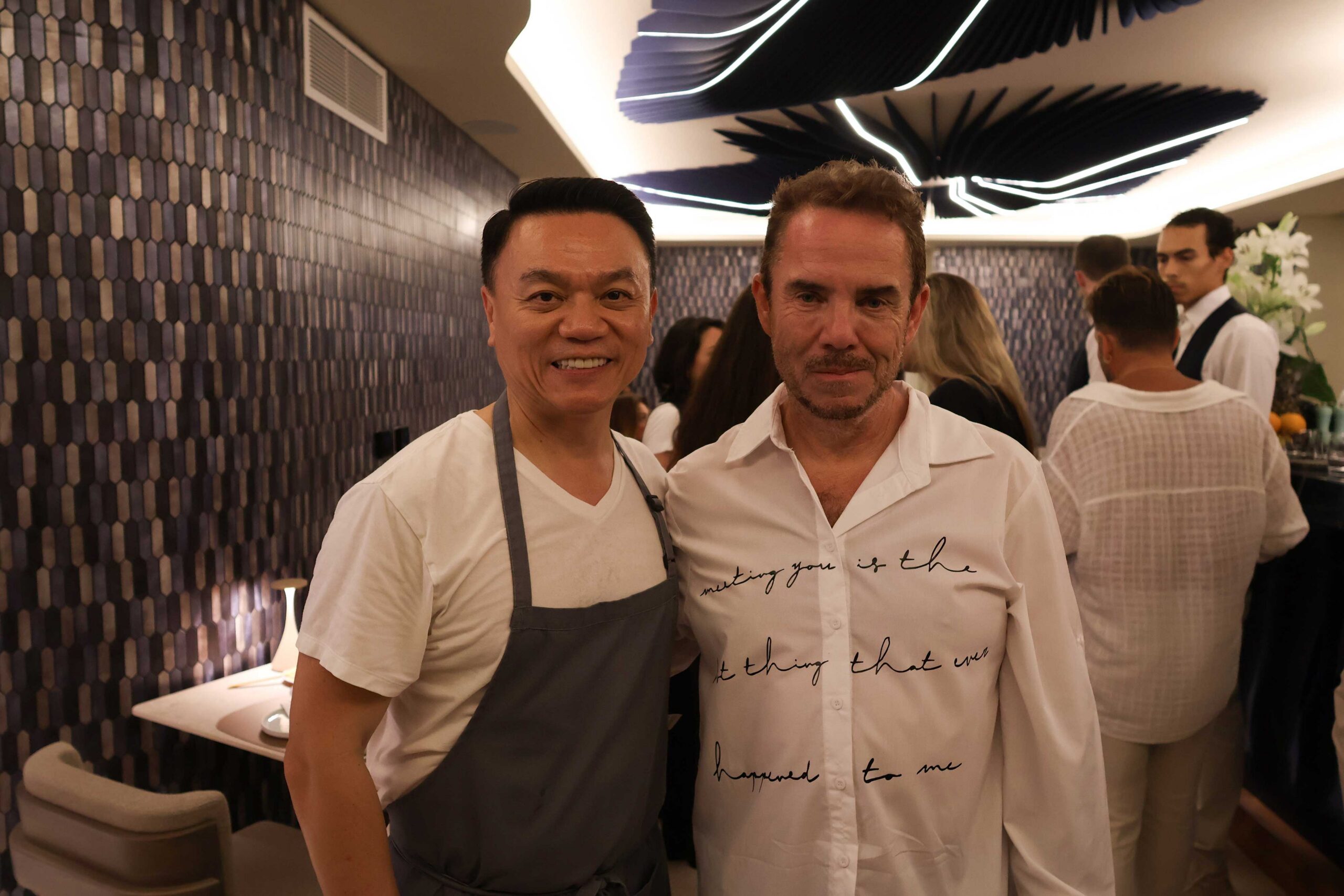
Sawadee Valletta! Iniala brings Thai family-style dining to Malta
Led by celebrity chef Ian Kittichai, Anaalā takes diners on a journey across Thailand with four rotating menus.
Deloitte Malta appoints Michael Agius as Director and Deputy Chief Legal Officer
‘Truly been a privilege to learn and grow within this global organisation,’ says Michael Agius.
Ryan Mahoney joins Bajada Group as Chief Operating Officer
This comes after more than four years as a General Manager at Bolt Malta.
Ian Zahra appointed as Director of International Tax at Deloitte Malta
He has been with the company for over six years.
