



From The Great Resignation to quiet quitting, the workplace has seen a number of trends emerge in recent years that reflect growing dissatisfaction among employees. The latest phenomenon, known as “quiet cracking”, is one that business leaders cannot afford to overlook.
Coined by workplace learning platform TalentLMS, quiet cracking refers to a gradual decline in engagement and performance caused by burnout, stagnation, and a lack of recognition. Unlike quiet quitting, where employees consciously decide to withhold effort, quiet cracking is more subtle — workers continue to perform their duties but begin to lose interest, confidence, and motivation over time.
Research indicates that around 20 per cent of employees experience quiet cracking frequently, while 34 per cent encounter it occasionally. This silent disengagement has major implications for businesses worldwide, with Gallup estimating that disengaged employees cost the global economy $8.8 trillion annually.
The danger of quiet cracking lies in its invisibility. Employees may still appear to be doing their jobs, but in reality they are “spinning their wheels”, feeling undervalued, and doubting their future prospects. Left unaddressed, this undermines productivity, creativity, and loyalty within organisations.
The TalentLMS survey of 1,000 US employees found that the leading triggers include:
- Economic uncertainty
- Unmanageable workloads and unclear expectations
- Poor leadership or lack of company direction
- Layoffs and restructuring
- Limited opportunities for career progression
For employers, the challenge is to detect the early signs and put measures in place to prevent disengagement from taking hold.
Addressing the causes
According to Nikhil Arora, CEO of Epignosis, the solution lies in creating an environment of growth and communication. Providing opportunities for learning and skill development can help employees regain a sense of purpose and confidence in their future.
Other measures that can mitigate the effects of quiet cracking include:
- Balancing workloads: Nearly one in three employees report unmanageable workloads. Regularly auditing task distribution, setting clear expectations, and offering stress management support can prevent staff from feeling overwhelmed.
- Recognition and value: Employees experiencing quiet cracking are over 150 per cent more likely to feel undervalued. Consistently recognising contributions, both big and small, has a tangible impact on engagement.
- Learning and career advancement: Access to training makes employees 140 per cent more likely to feel secure in their roles. Even when resources are tight, investing in structured learning paths, mentorship, and transparent communication about growth opportunities helps counter stagnation.
What CEOs should consider
For CEOs and business leaders, the concept of quiet cracking is a timely reminder that disengagement does not always manifest in obvious ways.
n a competitive labour market where retention of talent is already a challenge, ensuring employees feel heard, valued, and able to grow is vital to long-term resilience.
Practical steps leaders can take include:
- Carrying out regular engagement audits to identify areas where staff feel unsupported.
- Introducing feedback mechanisms that give employees a voice and help management address concerns proactively.
- Embedding continuous learning and development as part of company culture.
- Reinforcing recognition and appreciation as everyday practices, not occasional gestures.
Ultimately, quiet cracking is not just an HR issue – it is a strategic business risk. CEOs who act early to detect and address it stand a better chance of safeguarding both their people and their organisation’s performance.


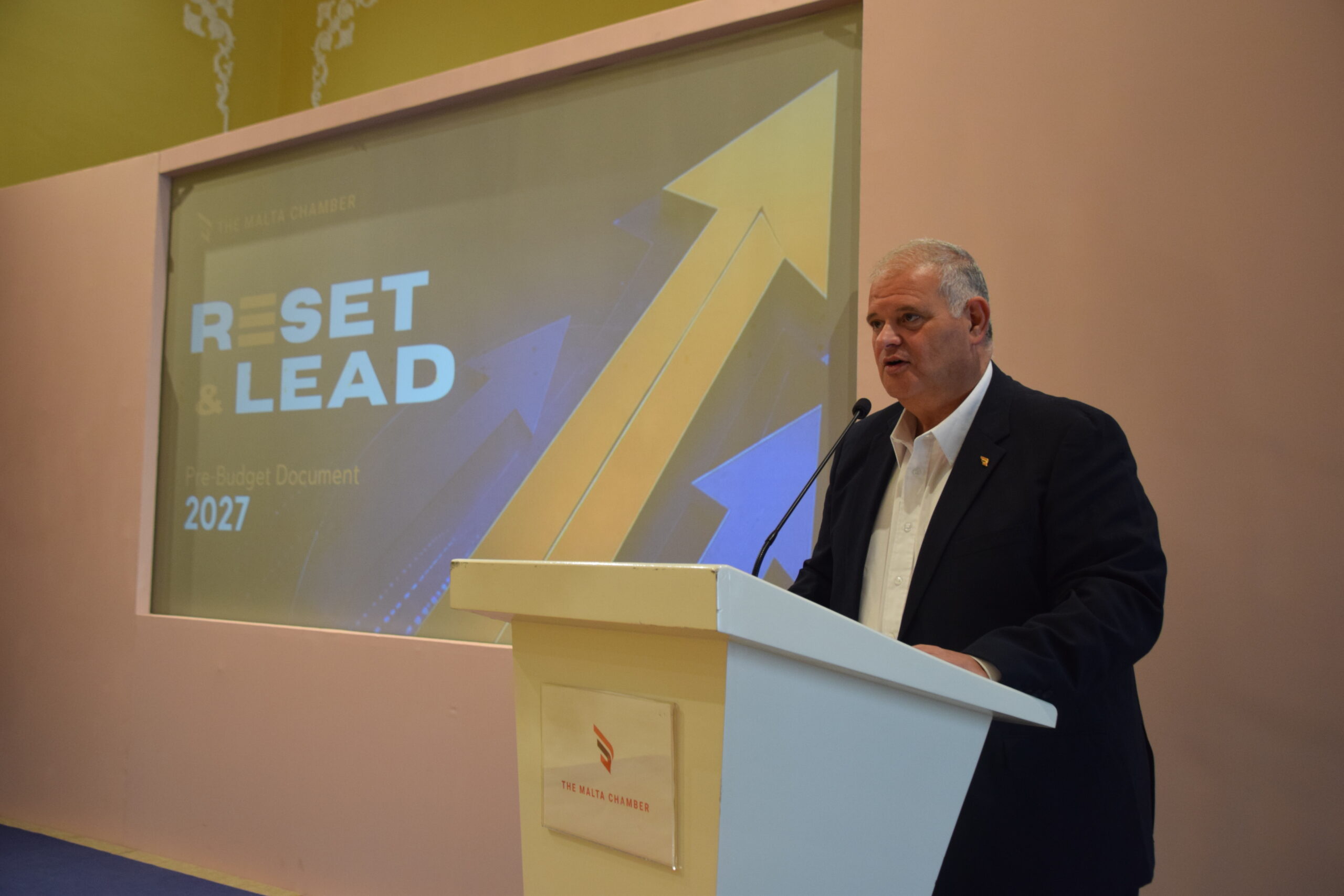
‘We need to stop managing from crisis to crisis’ – Malta Chamber President
He said that if part of the sums spent on subsidies had been directed to renewable energy, energy efficiency, Malta ...

Malta is a ‘long-term commitment’, says Meliá Area Managing Director Alfredo Aznar
Spanish hotel chain says it wants to combine Malta’s local character with its own hospitality experience.

Malita Investments appoints Mark Vassallo as Non-Executive Director and Chairman
Mark Vassallo is a lawyer by profession.

‘Business must not become shorthand for questionable dealings’, says Quinco Holdings Executive Chairman
Norman Aquilina calls for a clear distinction between legitimate business and improper conduct.
