


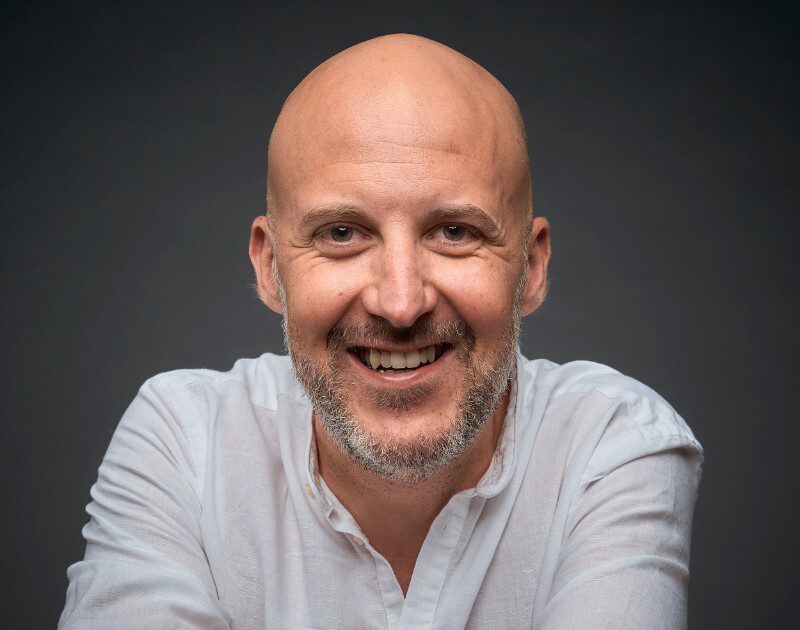
Richard Muscat Azzopardi, CEO at local digital marketing agency Switch, announced that the company will be making a temporary return to the four-day work week.
Mr Muscat Azzopardi revealed this on social media.
“Three-day weekends, here we come again. Looking forward to all the work I have to do around the house when we all work four-day weeks from now until the end of August at Switch. That’s eight Fridays in a row,” he wrote.
The CEO has long-spoken about his desire to permanently adopt the four-day work week at his company, going so far as to say that giving every employee “52 extra days off per year” would be a gift he’d be “genuinely proud” of giving.
This is set to be Switch’s third trial of the four-day work week or, as Mr Muscat Azzopardi prefers to call it, the three-day weekend.
In a guest post published on MaltaCEOs.mt last November, the CEO had revealed how “the three-day weekend gave people more time to do the stuff that they love doing outside work.”
“The team’s positive feedback was that they felt more focused and more productive overall. They also loved having a longer weekend, naturally,” he said.
On the other hand, Mr Muscat Azzopardi acknowledged that “working for four days instead of five made it harder for [the company] to meet deadlines. It also made the margin of error finer.”
Nonetheless, the CEO stood by his beliefs that a four-day week’s pros outweigh its cons.
“Life is more balanced out when you have a longer weekend, and the work you do is far more productive. You’re also happier for it,” he said.


‘Growing number of British businesses looking to partner with Maltese firms’ – TradeMalta CEO
Tania Brown say British businesses increasingly seeking partnerships with Maltese firms.
Luke Attard-Montalto joins ARQ Group as Operations Lead
He joins the company after his tenure at AIMS International Malta.

Should Malta rethink politicians’ salaries to attract better talent? Herald Bonnici raises debate
What it takes to attract the right people to lead.
‘I wanted Corinthia to stand for something beyond the hotels’ – Alfred Pisani on WTTC award
The WTTC Icon Award recognises individuals whose lifetime achievements have helped shape destinations, institutions and the wider travel and tourism ...
