


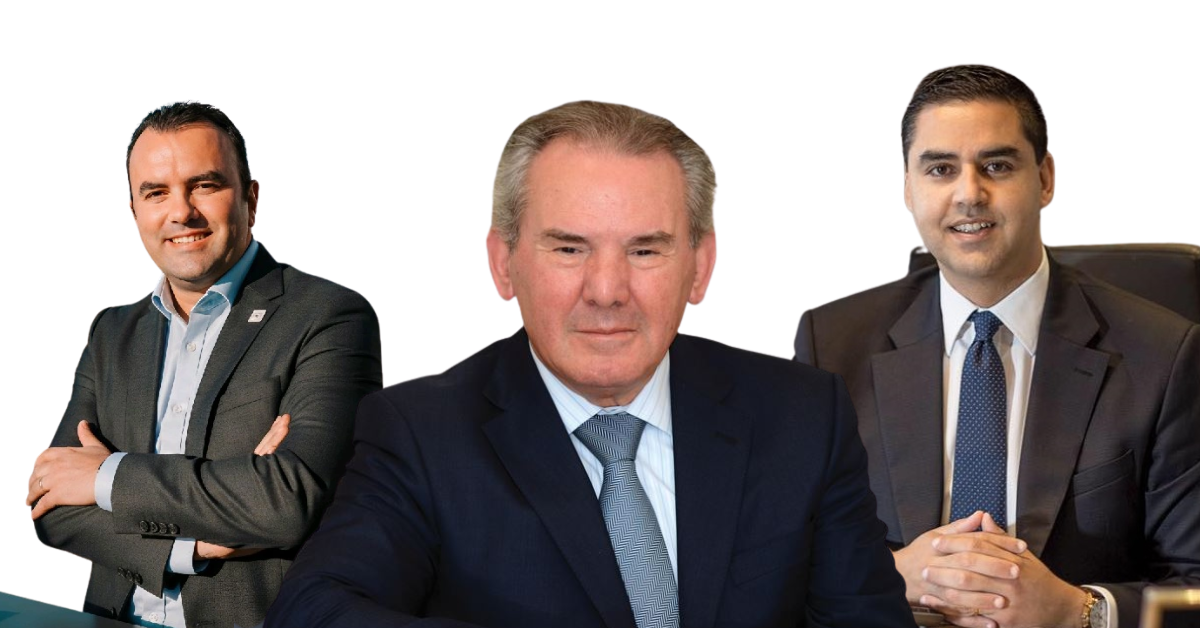
“There’s a limit to the number of pharmacies. Why are we limiting pharmacies and not using the same yardstick for the tourism industry?”
That was the question posed by MHRA President Tony Zahra, as debate around Malta’s tourism model increasingly shifts away from simple growth targets toward a more difficult question: how much tourism can the island realistically absorb before the model begins undermining itself?
Across government, academia and the tourism industry itself, a growing number of voices are now openly arguing that Malta may need to introduce structural limits on tourism development — particularly around hotel beds and unchecked expansion.
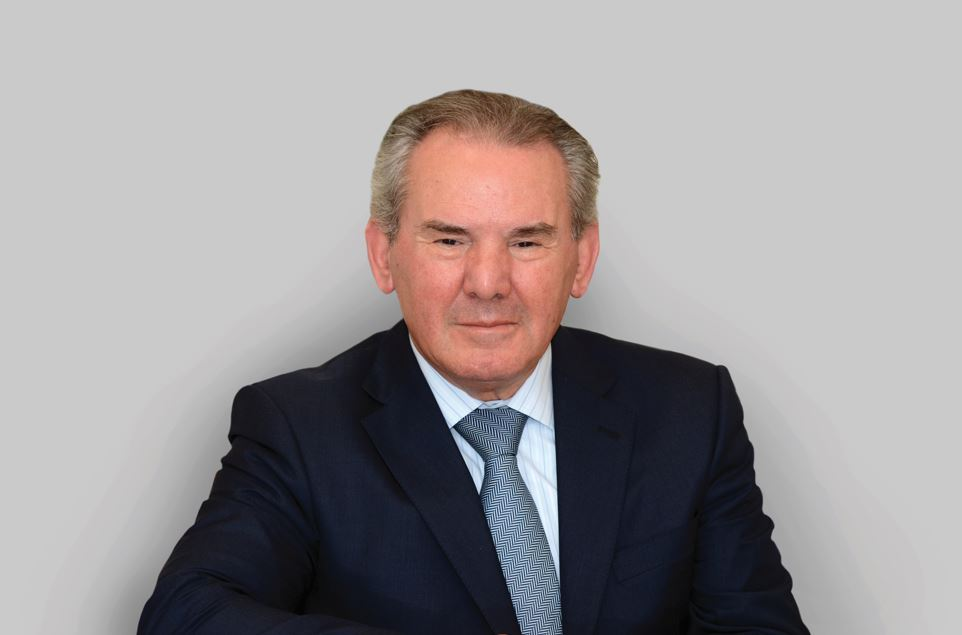
For years, discussions around overtourism in Malta focused largely on the symptoms: traffic congestion, pressure on infrastructure and hospitals, rising rents, construction fatigue and declining quality of life. But according to the General Manager of Embassy Hotel and researcher Hubert Debono, the country has avoided confronting the structural engine driving all of them.
Speaking to MaltaCEOs.mt, Mr Debono argued that Malta’s tourism model is trapped in a “volume-growth loop”, where more hotels require more tourists, more tourists require more imported workers, and more workers require more housing and infrastructure — all while the island itself remains physically fixed.

“The island is 316 square kilometres. That does not change,” his research notes. “The one variable that cannot flex is the land.”
As Malta heads toward another election at the end of May, tourism sustainability has increasingly entered mainstream political discourse.
Speaking on the WhosWho Talks podcast, Deputy Prime Minister Ian Borg acknowledged that Malta must move away from incentives that encourage continuous hotel expansion.
“We need to look at existing establishments upgrading and improving rather than taking up fresh land,” Dr Borg said, referring to new short-term accommodation regulations intended to signal a shift in direction without aggressively clamping down on operators.
He pointed specifically to policies that historically allowed hotels to exceed normal building height limitations.
“You have a piece of land in Sliema. If you wanted to build apartments, a school or a hospital, maybe it could be 10 floors. A hotel? 12 floors. So obviously people built more hotels,” he said.
Mr Debono agrees that the reforms represent progress, but argues they remain insufficient without deeper institutional changes.
“The 2026 Tourist Accommodation Regulations are a step in the right direction and deserve acknowledgement,” he said, also pointing to measures such as the launch of Delta Airlines’ direct JFK-Malta route targeting higher-spending American tourists and the Malta Tourism Authority’s withdrawal of youth party tourism advertising.
“These are pieces of a puzzle. They are not the institutional architecture that holds the puzzle together.”
According to Mr Debono, Malta spent years treating tourism growth itself as an unquestionable success metric.
“There is no end to the amount of people arriving,” he said. “The moment tourist arrivals decline, the minister with the tourism portfolio will look like they are failing. No one in power can afford this politically.”
That political logic, he argues, sits at the centre of the problem.
“Every actor in this system is behaving rationally. The developer, the planner, the operator, the politician — each is responding to the incentives they face. The aggregate outcome is collectively irrational and structurally destructive.”
His research notes that Malta recorded more than four million tourist arrivals in 2025, while real spend per tourist has declined significantly over the past decade when adjusted for inflation. Average stays have also shortened.
“In other words, Malta is increasingly receiving more tourists who spend less per visit in real terms,” he argues.
For Mr Debono, Malta’s current tourism strategy cannot meaningfully call itself a quality tourism model.
“It is a volume model with a quality tourism label on it,” he said.
At the centre of his proposals is the idea that Malta requires institutions capable of placing actual limits on growth.
His recommendations include the creation of an independent tourism sustainability commission with statutory powers capable of imposing locality-level moratoria and rejecting developments based on social carrying capacity concerns.
He also proposes a quarterly Tourism Carrying Capacity Index measuring visitor density, housing affordability, infrastructure pressure, resident quality of life and tourism yield.
Finally, he argues that Malta should separate tourism promotion from tourism governance entirely, claiming that an authority tasked with increasing arrivals cannot simultaneously function as the institution responsible for limiting them sustainably.
“An organisation whose primary purpose is to attract tourists cannot simultaneously be responsible for limiting them,” his research states.
The debate arrives at a moment when parts of the industry itself are increasingly acknowledging the need for restrictions.
Mr Zahra’s comments comparing tourism beds to regulated pharmacy permits reflect a growing recognition that the sector may eventually need formal limits if Malta wants to protect long-term sustainability, infrastructure resilience and quality of life.
For Mr Debono, however, the conversation is already years overdue.
“These discussions should have happened ten years ago,” he said.
His upcoming research series imagines two possible Maltas in 2036: one where institutional reform interrupts the current trajectory, and another where the island continues pursuing perpetual growth without structural intervention.
“The question is no longer whether overtourism pressures exist,” he said.
“The question is whether Malta is willing to politically bite the bullet and create systems capable of placing limits on an economic model built on the assumption that growth must always continue.”


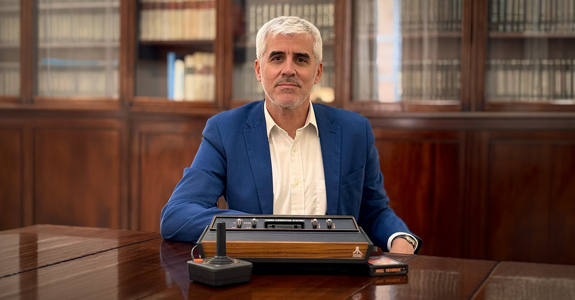
Fenech & Fenech Advocates appoints Antonio Ghio as Chief Innovation and Technology Officer
Antonio Ghio is an IT Law expert and has been with the firm for the past 25 years.
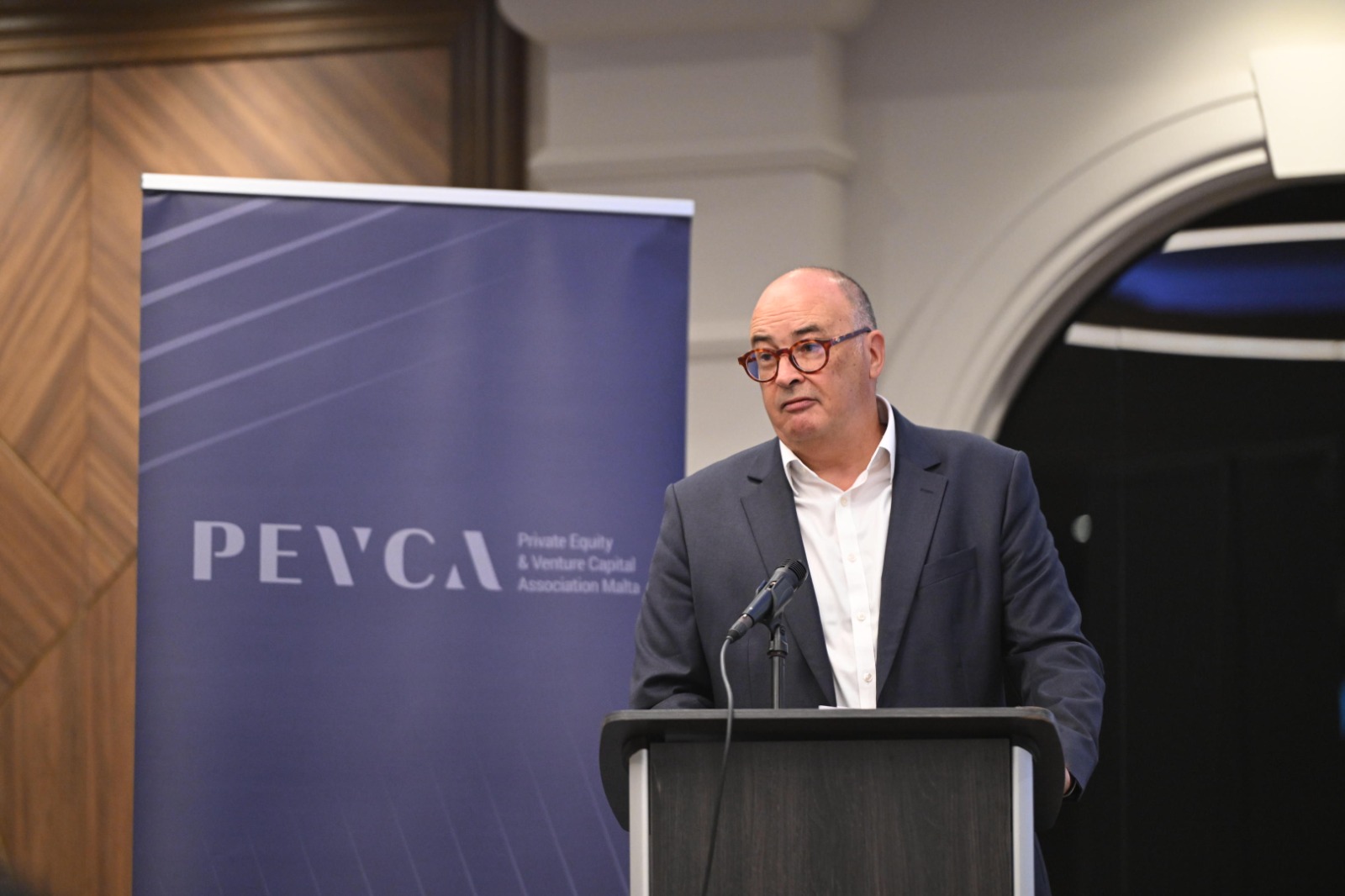
‘Considerable potential’ for Malta to develop as a private equity and venture capital hub – PEVCA head
He said that private equity and venture capital play a vital role in modern, innovation-driven economies.
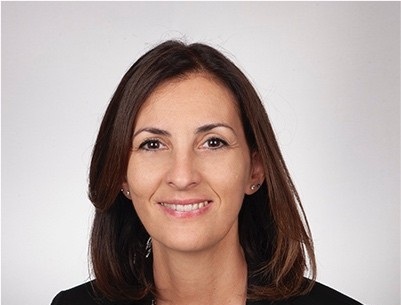
Nancy Pavlaki appointed Chief Financial Officer at Ramla Bay Resort
Prior to taking up the post, she worked in a number of financial positions in the hospitality industry.
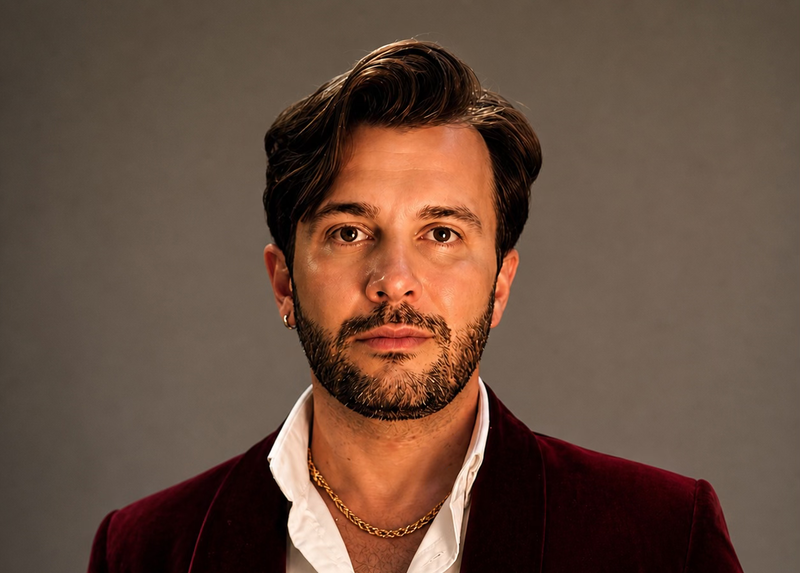
Kyle Antoni Pace Cumbo appointed Chief Commercial Officer at Iniala
'I’m incredibly excited about what comes next,' he said.
