

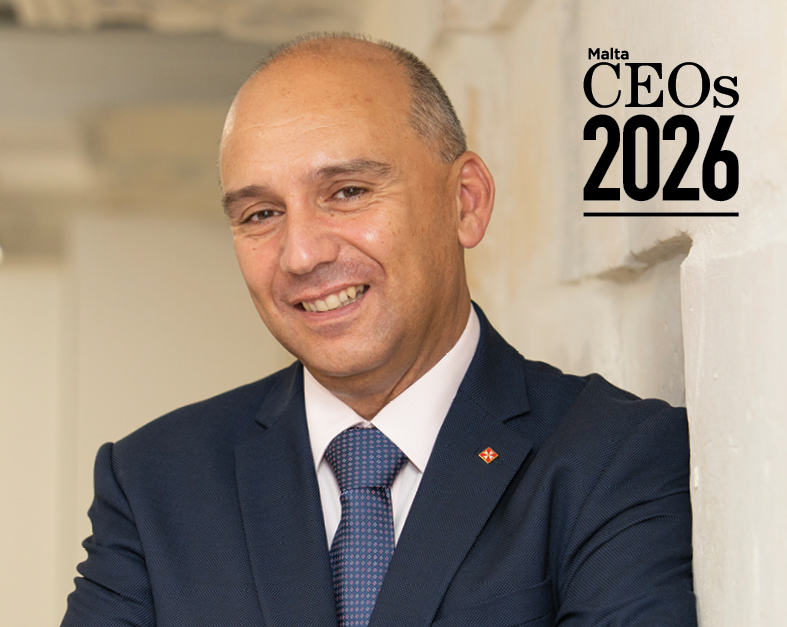
With a career built entirely in public service, Raphael Scerri brings a distinct perspective to the CEO’s chair. Leading the European Union Programmes Agency (EUPA), he is repositioning Erasmus+ from a purely academic initiative into a vital tool for national workforce development. His focus for 2026 is to expand the programme’s reach and prepare Malta to absorb a significant increase in EU investment in years to come.
Raphael Scerri has never measured the bottom line by profit. For more than two decades, his professional life has centred on a different return on investment: human potential. He began his career assisting the unemployed and individuals in special circumstances at Malta’s public employment service – then the Employment and Training Corporation (ETC), now Jobsplus.
“That experience shaped my character and reinforced my commitment to supporting the social element in everything we do,” Raphael recalls. “My strength has always been assisting people in need – unemployed or employed people seeking to improve their lives – and witnessing the positive change that results.”
This philosophy now shapes his leadership at the European Union Programmes Agency (EUPA), the national body responsible for managing the Erasmus+ and European Solidarity Corps programmes in Malta. His mission is clear: to dismantle the misconception that these opportunities are reserved for a select few.
“There’s a common belief that Erasmus+ is only for university students or teachers, but it’s there for everyone – whether employed or unemployed, as well as NGOs and voluntary organisations such as band clubs,” he says. “My background drives me to promote the programme to all cohorts of society. The objective remains the same as it was at Jobsplus: the upskilling and reskilling of our society in line with national strategies.”
This vision places EUPA at the heart of the European Commission’s ‘Union of Skills’ framework, designed to equip the EU’s workforce for a modern, green and digital economy. Raphael’s role is less that of a conventional CEO and more a steward of public investment, translating European policy into tangible, life-changing experiences. His leadership reflects his public service roots, emphasising accessibility and support over hierarchy.
“Whether you are managing people or EU funds, or supporting vulnerable individuals, the key elements are prioritisation and focus,” he explains. “My approach is built on being available and providing assistance. My door – both physical and virtual – is always open.”
This hands-on mindset is critical for an agency that manages an annual budget of around €17 million, reaching approximately 5,000 beneficiaries each year. Success, he stresses, is not defined by the figures alone, but by their real-world consequences.
“We measure impact, not profit,” Raphael asserts. “The Erasmus+ programme hinges on four key targets: inclusion, participation, digital transformation, and sustainable development. We measure success through these outcomes: reducing inequalities, assisting persons with disabilities, addressing environmental goals, and providing digital skills to our society.”
The impact is tangible, and it keeps him motivated. He recounts how a group of unemployed individuals from the Cottonera area, interested in the film industry, were given the chance to visit the BBC in the UK for three weeks through an Erasmus+ project he once managed. “They returned with guaranteed employment at local television and radio stations. That is what Erasmus+ is all about,” he states proudly. Such results keep the agency’s purpose in sharp focus, even amid the pressures of EU deadlines, multi-layered audits and a 500-page programme guide.
Despite such inspiring outcomes, Raphael is clear-eyed about the operational challenges that remain – chief among them, recruitment. “Being a small organisation, a single resignation has a significant impact,” he admits. “Finding the right people with the right attitude – one of helpfulness, efficiency and responsiveness – remains a struggle.”
This focus on people extends to the diverse groups EUPA serves, where a uniform approach would be ineffective. “The youth sector is our largest cohort, but it’s also the most vulnerable, often dealing with informal groups or NGOs that require significant handholding,” he notes. “Schools, on the other hand, are more structured but grapple with different obstacles. It is already challenging for a principal to manage a school, so imagine asking them to submit a funding application on top of everything else on their agenda.”
Private businesses face their own pressures, such as maintaining business continuity. “If you take a factory, for example, the team is under great pressure to meet mass production deadlines, making it difficult to release staff for training abroad,” he explains. “Each sector calls for a flexible approach in our outreach. We have to understand the specific problems and priorities at play.”
To bridge these gaps, a key achievement in 2025 was the establishment of a stakeholders’ forum with representatives from employers’ associations, educational institutions and civil society groups. “We meet regularly, which helps us promote the value of the programme, opens a channel to understand stakeholders’ issues and allows us to learn their goals as part of our annual planning,” Raphael shares. “These stakeholders have become our ambassadors.”
The agency’s funds for 2025 were already fully committed ahead of the final call for applications, evidence of both high demand and effective outreach. This success has prompted a bold decision to overcommit using national funds. “We decided to do this to signal to the European Commission that Erasmus+ is a priority for Malta and, just as importantly, to start attracting new beneficiaries,” Raphael reveals.
This is part of a wider strategy. With the Erasmus+ budget projected to increase from 2028, Raphael is proactively expanding Malta’s capacity to absorb the additional investment. “We need to build our pool of applicants now. Otherwise, when 2028 arrives, Malta risks losing funds. All our outreach efforts in 2025 were aimed at preparing for this.”
His primary goal for 2026 is to ensure all funds are fully disbursed, a process he sees as intrinsically linked to communication. “You cannot have one without the other,” he insists. “To achieve 100 per cent disbursement, you need to have an open channel with everyone – current beneficiaries, potential beneficiaries, stakeholders, Government departments, and the private sector.”
To prepare for the next EU programming period, the agency has also set up four internal ambassador committees aligned with its priorities, inviting key national stakeholders to help shape how Erasmus+ funds can address their needs. “I tell them, ‘You have your strategy and wish list. We are here to help you achieve them by providing funds,’” he says. “Collaborating closely is the trick, and it will deliver significant results in the future.”
Ultimately, what drives Raphael is the lasting impact of the programmes he manages. He finds inspiration not in spreadsheets but in people’s progress. He recalls with pride how a small informal group of youths, ‘Green Crew’, secured funding through the European Solidarity Corps Programme to restore old furniture and donate it to vulnerable people. “Initiatives like that are deeply motivating,” he reflects. “And when an unemployed person secures work after a job-shadowing placement abroad, it makes all the long hours worthwhile.”
It is this dedication to human development that shapes Raphael’s message to Malta’s business community. He notes that the adult education sector is not yet absorbing all available Erasmus funding opportunities, representing a significant untapped opportunity.
“Please come forward. The private sector is eligible too,” he urges. “Erasmus+ funds are there to help you improve your profits as an employer by investing in your workforce. We can fund formal training courses and informal job shadowing, send staff abroad or even host experts locally.”
The takeaway is that Malta must invest in its adult workforce to nurture an efficient and competitive economy.

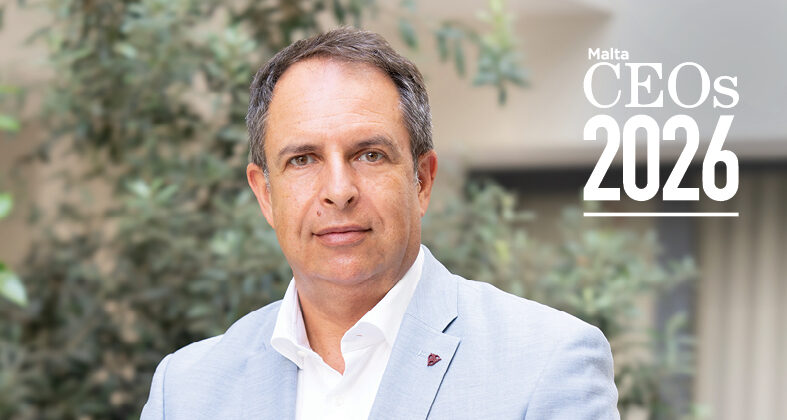
‘Greed harms businesses more than anything else’ – Wolfgang Tweraser
The TW Consulting & Trade Ltd CEO believes Malta has much more to offer: ‘It could be like a little ...
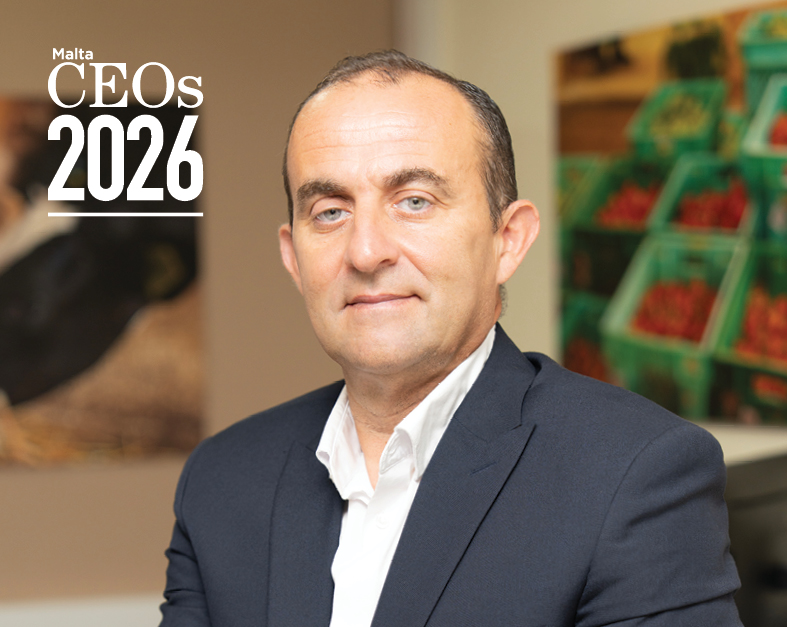
‘We can’t promote tourism without agriculture’ – Malta Food Agency CEO Brian Vella
‘I envision having fewer farmers, but more productive ones.’
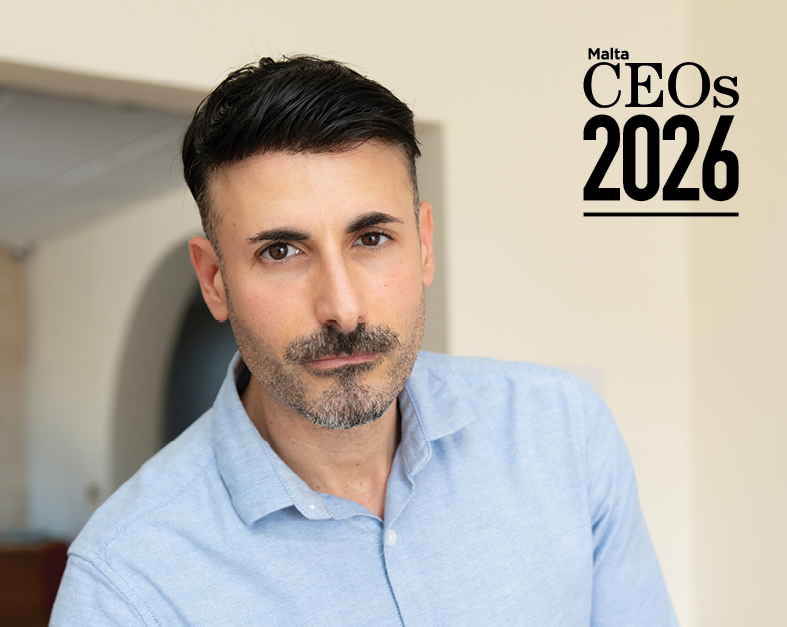
‘Not everything can be taught through textbooks’ – MUHC CEO Chris Schinas
‘I see my role as using the university’s name, its facilities and its resources to build a successful commercial arm.’
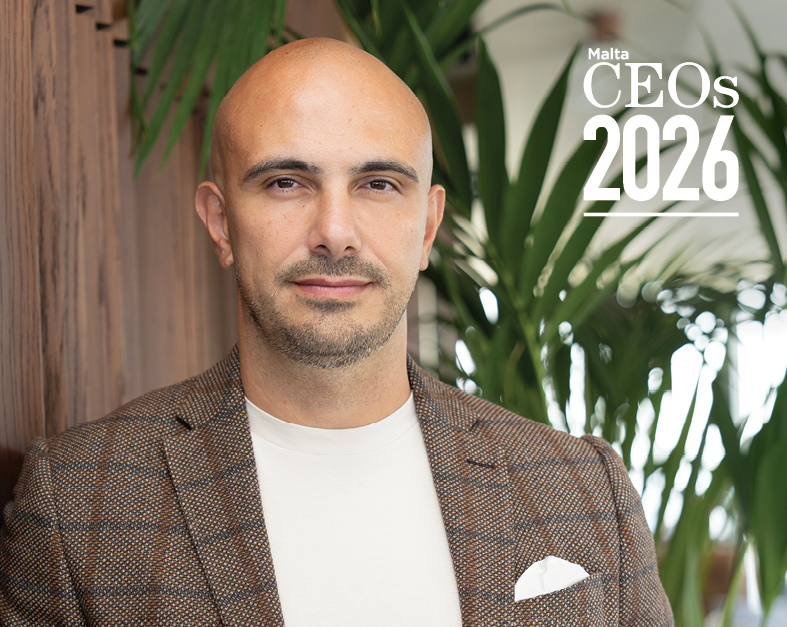
‘Retention is the new recruitment’ – HR Plus Managing Director Adrian Buttigieg
‘Starting from the ground up teaches you to value every team player.’
